Crawl-space raccoon removal and exclusion
Raccoons in Crawl Spaces
Professional inspection and removal for raccoon activity beneath floors, damaged crawl-space vents, open access doors, foundation gaps, duct damage, odor and nesting beneath homes.
Licensed and insured • Residential and commercial service • Serving Virginia since 2008
Movement beneath floors, damaged vents and hidden den sites
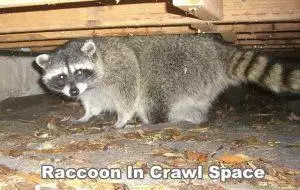
When a Raccoon Gets Into a Crawl Space
Crawl spaces provide darkness, shelter and protection beneath a home. A raccoon may enter through a damaged foundation vent, an open access door, a gap around utilities or another weak point along the foundation.
Homeowners often report heavy movement beneath a floor, scratching near ductwork, odor, damaged insulation, droppings or repeated activity near one side of the house. These symptoms can be difficult to interpret because crawl-space sounds may travel through floor framing and duct systems.
A successful solution requires identifying the active entry point, determining whether young are present, removing the raccoons and then correcting the opening that allowed access.
Clues that point to a large animal beneath the house
Signs of Raccoons in a Crawl Space
Heavy movement beneath floors
Raccoons can create thumping, scraping or shifting sounds, especially after dark. Activity may be heard near kitchens, bathrooms, utility rooms or exterior walls.
Damaged vents or access doors
Look for broken vent screens, displaced covers, loose crawl-space doors, disturbed soil or repeated tracks near the foundation.
Odor, droppings or damaged insulation
A raccoon may leave waste, urine, nesting material or damaged insulation beneath the house. Odor can also indicate a dead animal in an inaccessible area.
Ductwork or vapor-barrier disturbance
Flexible ductwork, pipe insulation and vapor barriers may be torn, compressed or displaced when a raccoon moves through the crawl space.
A critical crawl-space inspection issue
Mothers and Young Beneath a Home
A female raccoon may use a crawl space as a protected den site. Young raccoons can remain hidden behind insulation, beneath ductwork or in areas that are difficult to see from the access opening.
Closing a vent or crawl-space door too early can trap the adult inside or separate a mother from dependent young. The removal plan must consider the season, the sounds being reported and whether nesting activity is likely.
Do not repair the vent first
A damaged vent, access door or foundation opening should not be permanently closed until the active raccoon situation has been evaluated.
The correct sequence is inspection, removal, confirmation, exclusion and repair.
Inspection before crawl-space exclusion
How Crawl-Space Raccoon Removal Is Evaluated
- Review the reported activity. Timing, sound, odor, sightings and exterior damage help narrow the likely location.
- Inspect accessible entry areas. Crawl-space doors, vents, foundation gaps, utility penetrations and safe interior access are reviewed.
- Check for dependent young. Hidden kits must be considered before an opening is closed.
- Remove the raccoons. The method depends on access, building conditions and what the inspection confirms.
- Complete exclusion and repair. Confirmed openings and appropriate vulnerable areas can then be addressed.
Common Crawl-Space Entry Points
- Broken or missing foundation-vent screens
- Loose or open crawl-space access doors
- Gaps around pipes, wiring and utility lines
- Damaged foundation openings
- Openings beneath porches, additions or attached structures
- Areas where erosion or settling has created access
Why the sound can be misleading
Movement beneath one part of a house may sound as though it is coming from another room. Floor framing, pipes and ductwork can carry sound beyond the animal’s actual location.
Inspection should determine the active area before any floor, duct or foundation repair is planned.
After the animals are confirmed out
Crawl-Space Damage, Cleanup and Exclusion
Raccoons may disturb insulation, damage flexible ductwork, tear vapor barriers, leave droppings and urine, or create odor beneath a home. The extent of the work depends on safe access and the condition of the crawl space.
The most useful service request identifies where the activity is heard, whether a vent or door is visibly damaged, whether odor is present and whether the crawl space can be safely accessed.
- Repair confirmed vent, door or foundation openings
- Discuss nearby vulnerable areas when appropriate
- Remove reachable nesting material or waste
- Evaluate accessible insulation, duct or vapor-barrier damage
- Address odor sources when they can be located and reached
Related raccoon service information
Raccoon Removal and Identification Links
Questions about crawl-space raccoon problems
Raccoons in Crawl Spaces FAQ
What do raccoons in a crawl space sound like?
They may use damaged vents, weak soffits, fascia gaps, roof intersections, uncapped chimneys or openings near additions and attached garages.
Can a raccoon damage ductwork or insulation?
No. Young raccoons may still be inside, and the adult may return. The active situation should be evaluated before permanent closure.
Can raccoons have babies beneath a house?
Repellents, lights and noise do not reliably solve a structural raccoon problem. The animal, possible young and entry points must be addressed.
Can you repair the crawl-space entry point?
Include the full property address, when the sounds occur, where they are loudest, any sightings, odor, and safe photographs of exterior roof or soffit damage.
Request service
Request raccoon removal from a crawl space
Please complete our contact form below:
Include the property address, when the activity occurs, where it is loudest, whether odor is present and any visible damage to vents, access doors or the foundation. For an immediate conversation during normal business hours, call (804) 457-2883.
Virginia Professional Wildlife Removal Services, LLC • (804) 457-2883 • vawildlifepro@gmail.com