Raccoon safety, exposure and structural concerns
Are Raccoons Dangerous?
Learn when raccoons may bite or scratch, how rabies and droppings exposure should be handled, and when structural raccoon activity needs professional removal.
Licensed and insured • Residential and commercial service • Serving Virginia since 2008
Safety depends on distance, behavior and exposure
Are Raccoons Dangerous?
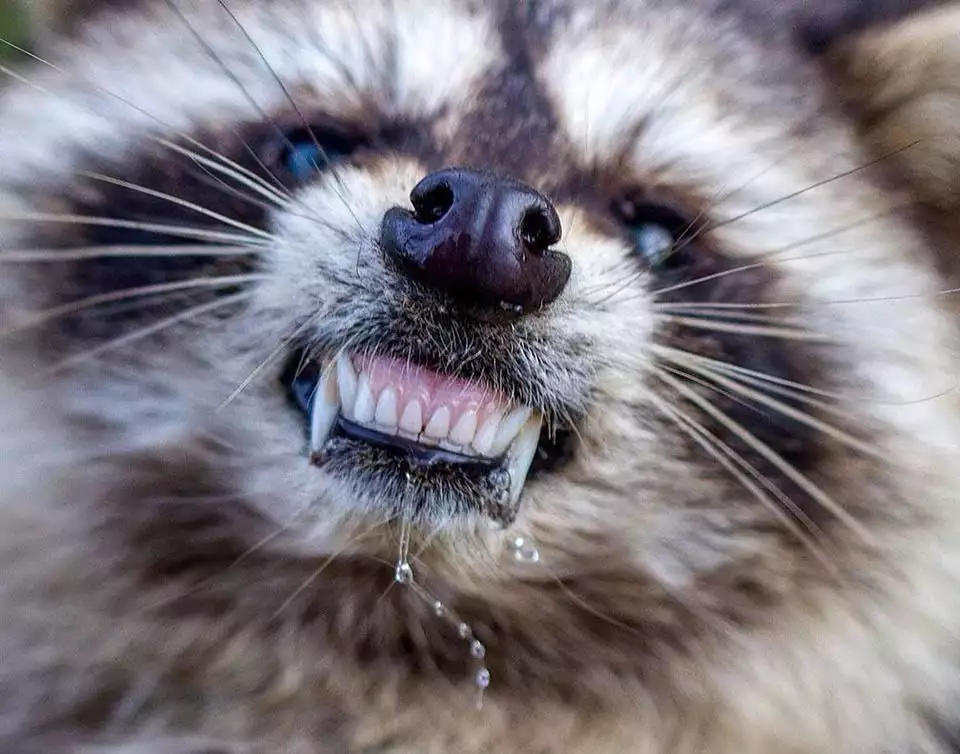
Raccoons are wild animals with strong teeth, claws and defensive behavior. Most will avoid people when given space, but a raccoon may bite or scratch if it is cornered, trapped, protecting young, injured or approached by a person or pet.
The most important risks involve direct contact, possible rabies exposure, pet encounters, and contamination from raccoon droppings or latrine sites. Seeing a raccoon outdoors does not automatically mean it is dangerous or rabid.
Keep people and pets away, do not attempt to handle the animal, and seek the appropriate medical, veterinary or public-health guidance after any possible exposure.
Situations that increase risk
When Raccoons Can Be Dangerous
When cornered or protecting young
A raccoon may growl, hiss, lunge, bite or scratch when it cannot retreat or when a den with dependent young is disturbed.
During contact with pets
Dogs and cats may be bitten or scratched when they chase, corner or surprise a raccoon near food, a den or a travel route.
After a bite, scratch or saliva exposure
Possible rabies exposure requires prompt evaluation by a healthcare or public-health professional. Pet exposures should be reported to a veterinarian and local authorities.
Around droppings and latrines
Raccoon feces can contaminate soil, insulation, decks and other surfaces. Avoid direct contact and unnecessary disturbance.
Structural entry creates additional concerns
Raccoons Inside Attics, Chimneys and Crawl Spaces
A raccoon inside a structure may damage soffits, vents, ductwork and insulation while leaving droppings, urine, nesting material and odor. The risk increases when homeowners open an attic hatch, fireplace damper or crawl-space door to investigate at close range.
Mothers with young require particular care. Sealing an opening before the animals are confirmed out can trap them inside or cause additional damage.
Do not handle, corner or test the animal
Do not approach a raccoon to determine whether it is sick, and do not attempt to capture it with bare hands or household tools.
Keep people and pets away and contact the appropriate professional for the situation.
Respond according to the type of risk
How a Raccoon Safety Concern Is Evaluated
- Determine whether direct contact occurred. Bites, scratches or saliva reaching eyes, mouth or an open wound require prompt medical or public-health evaluation.
- Protect pets and report exposures. Keep vaccinations current and contact a veterinarian and local authorities after a wildlife encounter.
- Observe behavior from a distance. Abnormal behavior can be concerning, but behavior alone cannot diagnose rabies.
- Identify structural entry or contamination. Attic, chimney, crawl-space and latrine problems may require removal, exclusion and cleanup.
- Use the correct professional. Medical, veterinary, public-health, animal-control and wildlife-removal needs are different and should be directed appropriately.
Common Raccoon Safety Concerns
- Bites, scratches and saliva exposure
- Pets fighting with raccoons
- Mothers defending young
- Raccoons trapped inside occupied spaces
- Droppings and repeated latrine sites
- Contaminated attic or crawl-space materials
Daytime activity does not prove rabies
Raccoons may be active during daylight after being disturbed, while caring for young or while searching for food.
Do not rely on appearance or behavior alone to determine whether an animal is infected.
Know who to contact
What to Do After Possible Raccoon Exposure
Wash bites and scratches promptly with soap and running water and seek medical or public-health guidance. Do not delay while trying to determine whether the raccoon looked healthy.
- Contact a healthcare professional or local health department after a possible human exposure
- Contact a veterinarian after a pet is bitten, scratched or has direct contact
- Keep the animal’s location and behavior documented from a safe distance
- Do not handle a sick, injured or dead raccoon
- Keep children and pets away from droppings and latrine sites
- Request wildlife service for active structural entry, denning or accessible contamination
Related raccoon safety and service information
Raccoon Safety and Removal Links
Questions about raccoon safety and exposure
Are Raccoons Dangerous FAQ
Are raccoons dangerous to people?
They may use damaged vents, weak soffits, fascia gaps, roof intersections, uncapped chimneys or openings near additions and attached garages.
What should I do after a raccoon bite or scratch?
No. Young raccoons may still be inside, and the adult may return. The active situation should be evaluated before permanent closure.
Are raccoon droppings dangerous?
Repellents, lights and noise do not reliably solve a structural raccoon problem. The animal, possible young and entry points must be addressed.
Are raccoons in an attic more dangerous?
Include the full property address, when the sounds occur, where they are loudest, any sightings, odor, and safe photographs of exterior roof or soffit damage.
Request service
Request help with an active raccoon problem
Please complete our contact form below:
Include the property address, where the raccoon is located, whether any person or pet had direct contact, any visible entry damage, droppings, odor and safe photographs. For an immediate conversation during normal business hours, call (804) 457-2883.
Virginia Professional Wildlife Removal Services, LLC • (804) 457-2883 • vawildlifepro@gmail.com