Professional wildlife trapping, removal and control services for residential and commercial properties in Virginia
Professional Wildlife Trappers in Virginia
Licensed and insured nuisance-wildlife trapping, removal, exclusion and damage-control services for qualifying Virginia properties.
Licensed and insured • Locally owned • Serving Virginia since 2008
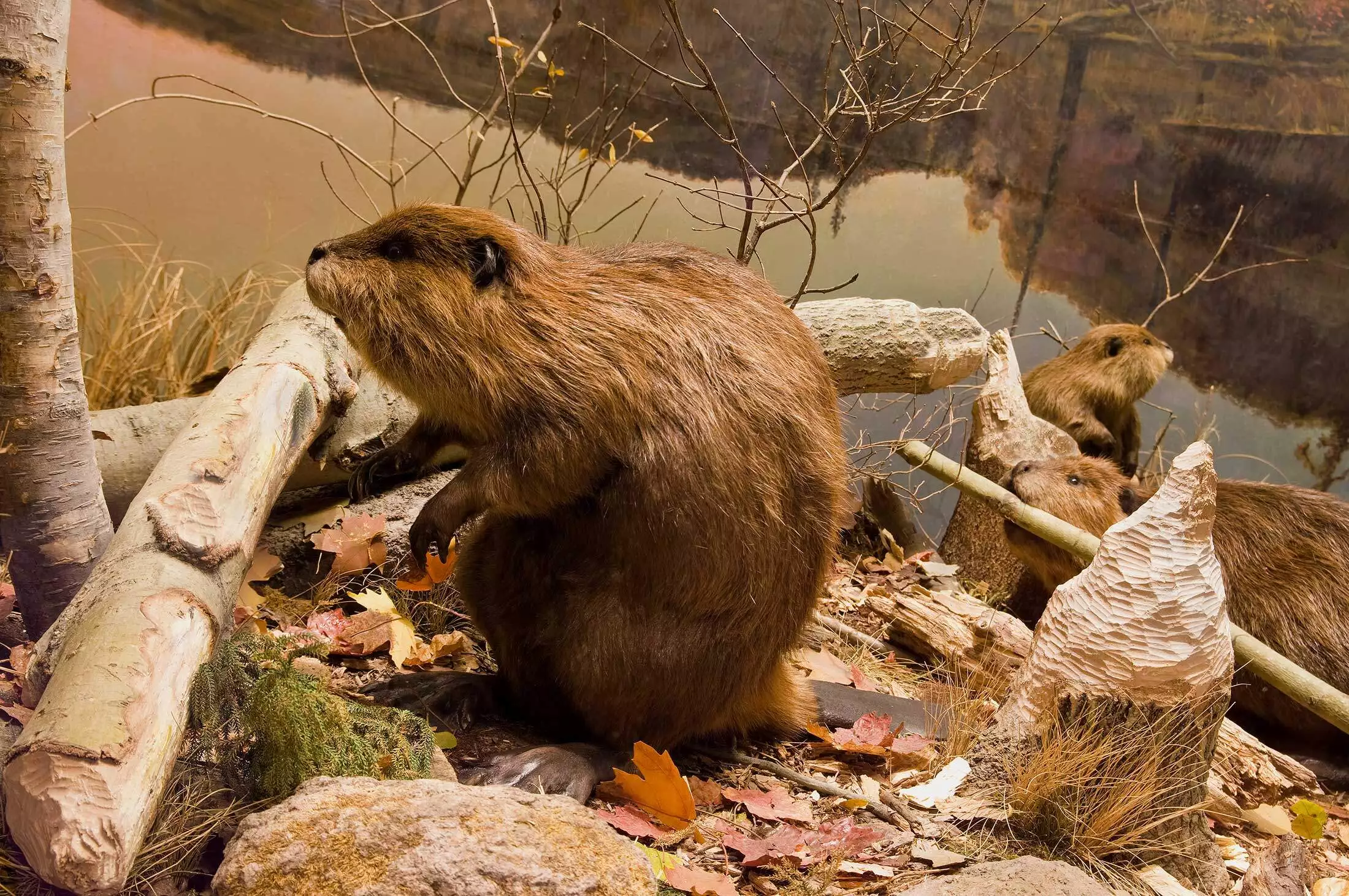
Statewide professional nuisance-wildlife trapping and removal
When to Call a Professional Wildlife Trapper
Wildlife trapping may be appropriate when an animal is living inside a structure, damaging property, denning beneath a building or repeatedly returning after basic deterrents fail. It is not automatically the right method for every species or every property.
Virginia Professional Wildlife Removal Services provides inspection, trapping, direct removal, exclusion, limited wildlife-related repair and cleanup for qualifying nuisance-wildlife problems across Virginia. This page explains the statewide professional-trapping process; property owners in Charlottesville and nearby Albemarle County can use the narrower Charlottesville professional wildlife trapper service page.
The correct approach depends on the confirmed species, property conditions, location, season, safe access, number of animals and whether dependent young may be present.
Species identification
Determine the animal before selecting a trapping method
Controlled trapping
Use a method matched to the species, access and season
Monitoring
Confirm whether additional animals or young remain
Exclusion and cleanup
Secure entry points and evaluate affected areas after removal
Trapping is one part of a complete wildlife-control plan
Professional Wildlife Trapping Services
Animals in attics and walls
Squirrels and raccoons may require trapping, direct removal or another controlled method depending on access, evidence and the way the animal is using the structure. Rats and mice are generally handled through the appropriate pest-control service rather than treated as a generic wildlife-trapping problem.
Ground and structural denning
Groundhogs, skunks, opossums, beavers and other wildlife may create damage or safety concerns around decks, sheds, ponds, foundations and landscaped areas. Burrows, tracks, den locations and property conditions help determine whether trapping is appropriate.
Species-specific removal methods
Some animals are better handled with one-way exclusion, direct removal or another species-specific approach rather than conventional trapping. The professional decision is the method—not simply the trap.
Follow-up exclusion and repair
Removing the animal does not prevent another from entering through the same opening. Confirmed entry points may need to be screened, closed or repaired after the structure is clear and ventilation requirements are considered.
Wildlife Inspection
Identify the likely species, activity area, entry points, travel routes and visible damage.
Professional Trapping Plan
Choose trapping, direct removal or another controlled method appropriate to the confirmed situation.
Exclusion and Follow-Up
Secure confirmed openings after the animal problem is resolved and the structure is clear.
Wildlife trapping should account for the entire problem
Do Not Trap or Seal Without Identifying the Species
Using the wrong method can leave animals behind, separate adults from dependent young or create new damage when wildlife attempts to escape.
The species, season, activity pattern, entry point, property conditions and applicable wildlife requirements should be considered before trapping or permanent exclusion begins. A visible opening is not automatically the only active route.
After the animal problem is resolved and the structure is confirmed clear, openings can be repaired or secured as appropriate.
Helpful details for a professional trapping request
- The complete Virginia service address and property type
- The animal seen or suspected, or the evidence being observed
- The specific building or property area where activity or damage occurs
- Whether activity is during the day or at night
- Any visible entry point, den, burrow, tracks, droppings or nesting material
- Safe photographs or recordings when available
Call: (804) 457-2883
Hours: Mon–Fri 6 a.m.–6 p.m.
Sat–Sun 6 a.m.–noon
Inspection, trapping, monitoring and follow-up
How Professional Wildlife Trapping Works
- Inspect the property. Identify the likely species, activity area, entry points, travel routes, den or nesting areas and visible damage.
- Select the appropriate method. The plan may involve trapping, direct removal, one-way exclusion or another controlled approach appropriate to the species and property.
- Monitor the results. Confirm whether additional animals, dependent young or secondary activity remain before permanent closure.
- Complete exclusion or limited repair. Confirmed openings may be screened, closed or repaired after the structure is clear and ventilation needs are considered.
- Evaluate cleanup and damage. Reachable droppings, nesting material, urine staining, insulation or other affected areas can be reviewed after removal.
Why trapping alone may not solve the problem
Trapping, Exclusion and Wildlife-Damage Repair
Removing one animal does not automatically identify every entry point or prevent another animal from using the same route.
A complete plan may include trapping, monitoring, entry-point exclusion, limited wildlife-related repair and reachable cleanup.
Roofing, electrical, plumbing, HVAC, drywall, insulation replacement, masonry or major structural work may require the appropriate trade or specialist.
Signs professional trapping may be needed
- Repeated wildlife activity inside a structure
- Damage to soffits, vents, roofs, wiring or insulation
- Burrows or dens beneath buildings or outdoor structures
- Droppings, nesting material or strong odor
- Basic deterrents have failed
- The species or number of animals is uncertain
Avoid handling wildlife or placing traps until the species and situation are understood.
Choose the page that matches the problem, not just the word “trapping”
Professional Trapping Is One Part of Wildlife Removal
For a squirrel-specific trapping problem, see squirrel trapping. Raccoon, groundhog, beaver, skunk and opossum problems may require different removal methods, so use the dedicated raccoon removal, groundhog removal, beaver removal, skunk removal or opossum removal page when the animal is known.
If the animal is not known and the main clue is noise inside an attic or wall, start with our animal-sounds guide. For the broader range of wildlife and selected pest-control work, use the Services page.
This page remains the statewide professional-trapping overview. The Charlottesville page is intentionally narrower and location-specific rather than a duplicate statewide service page.
Quick answers
Questions about professional wildlife trapping
Professional Wildlife Trappers FAQ
What animals do professional wildlife trappers handle?
Common wildlife-trapping calls may involve squirrels, raccoons, groundhogs, skunks, opossums and beavers, depending on the property and service area. Rats and mice are generally handled through the appropriate pest-control service rather than treated as a generic wildlife-trapping problem.
Is trapping always the best wildlife-removal method?
No. Some problems are better handled with direct removal, one-way exclusion or another species-specific approach. The correct method depends on the confirmed animal, property conditions, access and season.
Do you inspect the property before setting traps?
Yes. The likely species, travel routes, entry points, den or nesting areas, damage, season and possible dependent young should be evaluated before selecting a method.
Can trapping solve an attic wildlife problem by itself?
Not always. Trapping can address the active animal, but confirmed entry points may also need to be screened, repaired or otherwise secured after the structure is clear.
What happens if baby animals are present?
The removal plan should account for dependent young before permanent exclusion is completed so young are not left behind or separated from the adult animal.
Do you provide wildlife-damage repair?
Limited wildlife-related repair and exclusion may be available after removal when the area is accessible and the work fits the service scope. Roofing, electrical, plumbing, HVAC, drywall, insulation replacement, masonry or major structural work may require the appropriate trade.
Do you provide residential and commercial trapping?
Yes. Qualifying service may be available for homes, businesses, farms, managed properties and accessible outbuildings depending on the animal, location, property conditions and safe access.
How much does professional wildlife trapping cost?
Cost depends on the animal, property location, access, number and location of animals, removal method, monitoring, exclusion or repair needs and cleanup conditions. The complete address and accurate problem description help determine what must be evaluated.
Request Professional Wildlife Trapping Service
Please complete our contact form below:
Include the complete Virginia service address, property type, animal seen or suspected, specific affected area, activity time, visible entry points, dens or burrows, and safe photographs or recordings when available. For an immediate conversation during normal business hours, call (804) 457-2883.
Virginia Professional Wildlife Removal Services, LLC • (804) 457-2883 • vawildlifepro@gmail.com