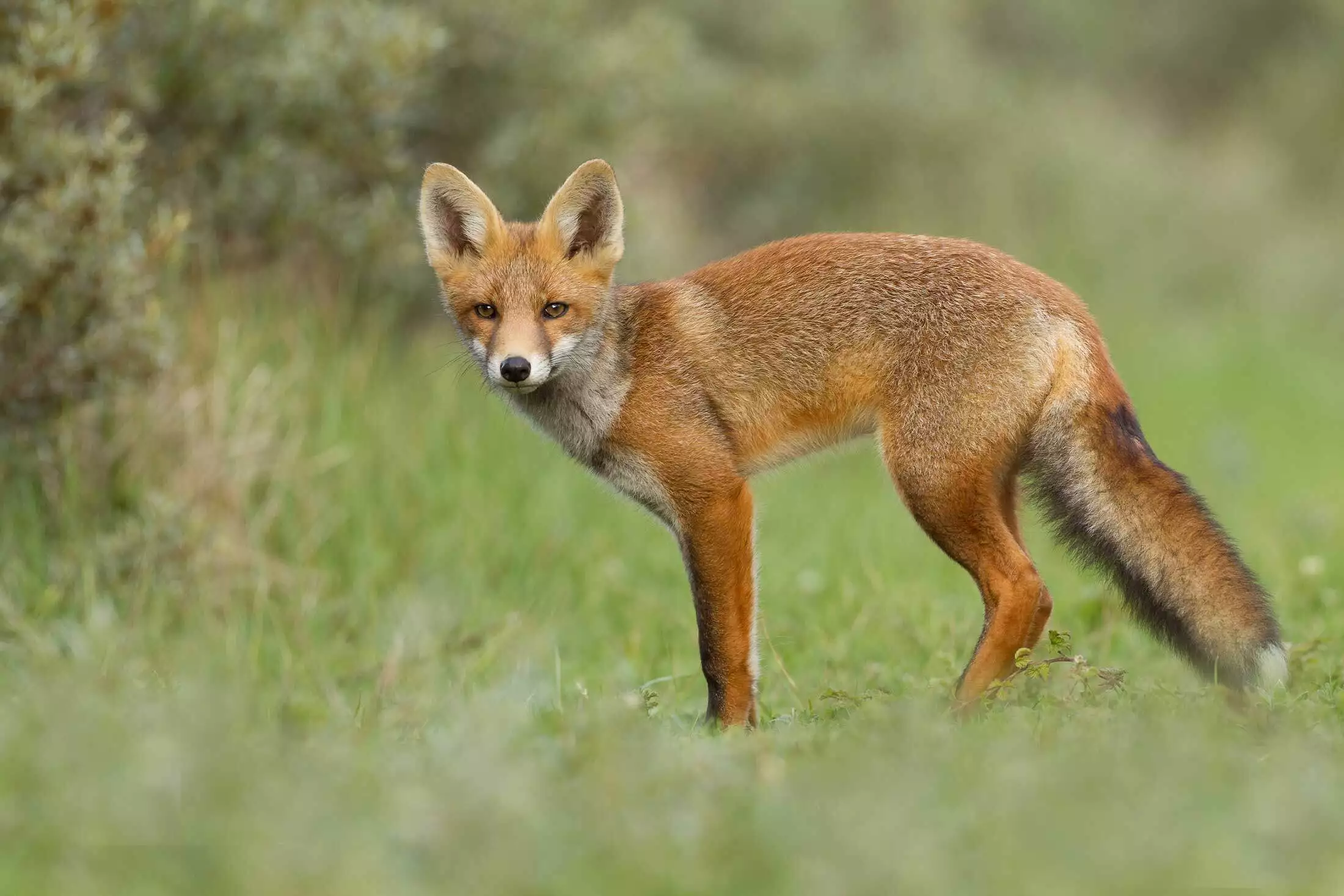
Professional fox solutions across Virginia
Fox Trapping & Removal in Virginia
We inspect fox activity, active den sites and poultry or small-animal losses, then explain a lawful, property-specific trapping and removal plan.
Licensed and insured • Residential, farm and commercial service • Serving Virginia since 2008
Fox den, repeated activity or losses near your property?
Send the service address and tell us where the fox was seen, when the activity occurs, whether a den opening is visible and whether poultry, pets, feed or stored materials are involved. Clear photos or video taken from a safe distance can help us evaluate the request.
Keep people and pets away from the animal and any den. Do not approach, feed, corner or attempt to capture a fox yourself, and do not block an active den before it has been evaluated.
Call: (804) 457-2883
Hours: Mon–Fri 6 a.m.–6 p.m.
Sat–Sun 6 a.m.–noon
18 years
Serving Virginia properties
Licensed and insured
Professional field service
Inspection + trapping
Plan based on the site
Clear service scope
No relocation promises
Common warning signs
When fox removal in Virginia may be appropriate
A single fox crossing a yard does not always require control. Repeated use of a den, damage, losses or activity close to occupied structures deserves a closer look.
Active den near a structure
Repeated entry beneath a deck, porch, shed, barn or other structure, especially when a visible den opening is present.
Poultry or small-animal losses
Repeated losses, injured animals, feathers, tracks or disturbance around coops, pens or feed-storage areas.
Frequent close activity
Regular sightings near buildings, food, pet areas or refuse, especially when the animal shows little response to normal human activity.
Professional response
A site-specific fox-removal plan
We begin with the property, reported activity and available evidence. Inspection helps identify likely travel routes, den use, attractants and the areas where lawful trapping may be practical.
The recommended work depends on access, animal activity, property type and applicable requirements. We explain the scope before work begins and do not promise relocation or a one-size-fits-all outcome.
Helpful request details
- Service address and property type
- Where and when the fox appears
- Visible den openings or travel routes
- Poultry, pet, feed or refuse concerns
- Photos or video from a safe distance
- Safe access for inspection and service
Normal sighting or property conflict?
Not every fox sighting requires removal
Foxes may move through neighborhoods, farms and commercial properties without establishing a den or causing damage. The decision to provide fox removal in Virginia should be based on repeated activity, an active den, losses, damage, abnormal behavior or a clear risk near occupied areas.
For immediate threats, suspected rabies exposure or a person or pet bitten or scratched by a wild animal, contact the appropriate emergency, public-health or animal-control authority. VPWRS is a wildlife-removal service, not an emergency medical or rabies-testing provider.
Safety and Virginia requirements
Use professional guidance before trapping or closing a den
Fox activity can involve dependent young, changing travel routes and legal requirements. Do not place traps, poison, bait or improvised devices based on internet instructions, and do not seal a den while an animal may still be using it.
Virginia Department of Wildlife Resources guidance explains attractant reduction, exclusion and when to contact a licensed wildlife professional. It also notes that relocating captured wildlife elsewhere is illegal in Virginia. Review the Virginia DWR human-wildlife conflict guidance.

How the work is planned
Our fox-removal process
The exact sequence depends on the property, evidence, access, animal activity and applicable requirements.
1. Gather details
We ask about the address, sightings, den location, losses, property use, access and available photos.
2. Inspect the property
We evaluate active sign, likely travel routes, den use, attractants and practical service locations.
3. Define the service
We explain the recommended trapping or removal scope, limitations and pricing before work begins.
4. Monitor and advise
Follow-up and prevention recommendations are based on results and conditions at that property.
After active removal
Reduce future fox conflicts
Once active den use or repeated conflict is addressed, the property can be reviewed for practical changes. Secure poultry housing, repair enclosure gaps, remove accessible feed and refuse, supervise small pets and close unused den access only after confirming it is inactive.
No repellent or property change guarantees a fox will never return. Physical access improvements, attractant control and continued monitoring are generally more useful than relying on a store-bought product alone.
Possible follow-up measures
- Use secure, roofed poultry enclosures
- Bring pet food and livestock feed indoors
- Secure trash, compost and fallen fruit
- Repair gaps beneath structures when inactive
- Supervise small pets outdoors
- Monitor dens and travel routes for new sign
Related Virginia services
Not sure the animal is a fox?
Tracks, droppings, den openings and nighttime activity can be confused with other wildlife. Photos or an inspection may be needed before the correct service is selected.
View all wildlife services • Raccoon removal • Skunk removal • Groundhog removal • Dead-animal removal
Qualifying fox service across Virginia
Virginia Service Coverage
VPWRS accepts qualifying fox-trapping and removal requests throughout Virginia for residential, farm, commercial and managed properties.
Availability depends on the complete property address, repeated activity or documented losses, den location, possible dependent young, safe and lawful trapping conditions, property access and technician scheduling.
Representative areas served
Central Virginia: Richmond, Henrico County, Chesterfield County, Hanover County and Goochland County.
Northern Virginia: Fairfax County, Manassas, Centreville and Ashburn.
Hampton Roads and Tidewater: Virginia Beach, Chesapeake, Norfolk, Newport News and Williamsburg.
Shenandoah Valley and western Virginia: Harrisonburg, Staunton, Winchester and Roanoke.
Fox-service scope and limitations
- A fox passing through a property normally does not require trapping. Service is more appropriate when there is repeated activity, an active den, documented poultry or small-animal losses, or another specific conflict.
- Den location and the possible presence of dependent young can change the timing and method of the work.
- Trapping requires safe, lawful placement on property where the customer has authority to authorize the work.
- Foxes on public roads, parks, rights-of-way or other public property generally require the appropriate public agency rather than private trapping service.
- Keep poultry and small pets secured. Removal does not replace repairs to pens, coops, fencing or other attractant-reduction measures.
- Do not approach a fox that is acting unusually, appears injured, is unable to move normally or has had direct contact with a person or pet. Contact local animal control, law enforcement or the appropriate health authority for urgent guidance.
- Inspection, trapping, carcass handling, den closure and repairs are separate property-specific services when included in the written scope.
Common questions
Fox removal FAQ
What fox service does VPWRS provide?
We evaluate repeated fox activity, den use, losses and property conflicts, then recommend a site-specific inspection, trapping and removal plan when the request is within our service scope.
Does seeing a fox during the day mean it has rabies?
No. Daytime activity alone does not confirm rabies. Avoid contact and seek appropriate public-health or animal-control guidance for abnormal behavior, bites, scratches or possible exposure.
Will a captured fox be relocated?
We do not promise relocation. Virginia DWR states that relocating captured wildlife elsewhere is illegal. The service method depends on law, site conditions and the approved scope.
Can you remove a fox from beneath a deck or shed?
Possibly. We first need the address, access information, photos if available and details that help determine whether the opening is actively used and whether young may be present.
Can you help with fox activity near poultry or small pets?
Yes, when the request involves repeated property activity or losses within our service scope. Secure animals immediately and provide details about the enclosure, timing, evidence and access.
Do fox repellents work?
No product guarantees lasting control. Removing attractants, improving enclosures, addressing access and monitoring the property are generally more dependable than relying on odor, noise or a store-bought repellent alone.
Will you repair the structure?
Repair or exclusion work is evaluated separately and depends on the structure, access and scope. We do not imply that carpentry or broad property repairs are automatically included.
What should I send with my request?
Send the service address, property type, sighting times, den or loss location, safe-access details and clear photos or video taken from a distance.
How much does fox removal cost?
Cost depends on the property, activity, access, inspection findings, trapping scope, travel and follow-up required. We need the service details before giving useful pricing information.
Request service
Tell us what is happening at your property
Please complete our contact form below:
Include as much detail as possible. For an immediate conversation during normal business hours, call (804) 457-2883.
Virginia Professional Wildlife Removal Services, LLC • (804) 457-2883 • vawildlifepro@gmail.com