Understand natural foods and property attractants
Raccoon Diet: What Do Raccoons Eat?
Learn what raccoons eat in the wild, which human food sources attract them to homes, and when repeated feeding activity becomes a removal problem.
Licensed and insured • Residential and commercial service • Serving Virginia since 2008
Natural foods and human-provided attractants
What Do Raccoons Eat?
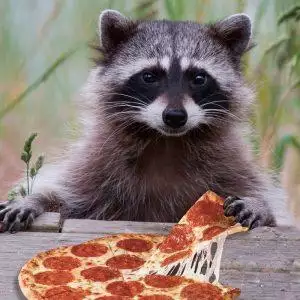
Raccoons are opportunistic omnivores. Their diet can include fruits, nuts, seeds, insects, crayfish, frogs, eggs, small animals and other foods available in their environment.
Around homes and businesses, raccoons quickly learn to use easier food sources such as trash, pet food, bird seed, compost, grill residue, fallen fruit and garden produce. Once a property provides a dependable meal, the same raccoons may return repeatedly.
Understanding the food source helps determine whether the problem can be reduced through attractant control or whether the raccoons are also denning in a structure and need professional removal.
A varied diet changes with season and location
Common Foods Raccoons Eat
Fruit, nuts, seeds and garden produce
Raccoons may eat berries, grapes, apples, corn, melons, acorns, nuts and other ripe or fallen plant foods.
Insects and aquatic foods
Beetles, grubs, crayfish, frogs and other small aquatic or soil-dwelling animals may be part of a natural diet.
Eggs, nestlings and small animals
Raccoons may raid accessible nests or consume eggs, young birds and other small prey when the opportunity arises.
Trash and human food waste
Garbage, pet food, bird seed, compost and grill residue often provide a more dependable food reward than natural foraging.
Easy food can create repeated property activity
How Feeding Activity Leads to Raccoon Problems
A raccoon that finds food near a house may begin exploring nearby decks, sheds, crawl spaces, roofs, chimneys and attics for shelter. Repeated feeding can therefore become a structural wildlife problem even when the first sign is only scattered trash or missing pet food.
Food sources should be corrected before or alongside removal work. Otherwise, the property may continue attracting new raccoons after the original animals are gone.
Do not intentionally feed raccoons
Feeding encourages repeated visits, closer contact with people and pets, and competition between animals.
Remove access to food and allow the raccoon a clear route away.
Identify the attractant before deciding on removal
How a Raccoon Feeding Problem Is Evaluated
- Identify every food source. Trash, pet food, bird seed, compost, fruit, gardens and grill residue should all be considered.
- Confirm the activity pattern. Tracks, camera footage, droppings and timing help show whether the visits are repeated.
- Check for nearby shelter. Decks, sheds, crawl spaces, attics, chimneys and hollow trees may provide den sites close to food.
- Secure the attractants. Containers, feeding practices and outdoor food storage should be corrected.
- Determine whether removal is needed. Structural entry, damage, persistent occupancy or bold behavior may justify professional service.
Human Food Sources That Commonly Attract Raccoons
- Loose trash-can lids and exposed garbage bags
- Outdoor pet food and water bowls
- Bird feeders, suet and spilled seed
- Compost containing food scraps
- Grill grease and food residue
- Fallen fruit, gardens and accessible produce
Season affects what raccoons eat
Spring and summer may provide insects, eggs, fruit and garden foods. Fall often brings nuts and ripe fruit, while winter increases reliance on stored food and human attractants.
The exact diet varies with what is available locally.
When feeding becomes a service problem
When Raccoon Feeding Activity Needs Professional Attention
Occasional outdoor foraging does not always require removal. Professional service becomes more appropriate when raccoons repeatedly return, damage containers, den beneath or inside structures, contaminate an area or remain on the property after food sources are secured.
- Trash or dumpsters disturbed night after night
- Repeated feeding near a deck, shed or crawl space
- Raccoons climbing from food sources toward a roof
- Droppings or latrine activity near feeding areas
- Property damage associated with repeated visits
- Structural entry into an attic, chimney or crawl space
Connect feeding behavior to the likely property problem
Raccoon Diet and Removal Links
Questions about raccoon diet and feeding
Raccoon Diet FAQ
What do raccoons eat in the wild?
They may use damaged vents, weak soffits, fascia gaps, roof intersections, uncapped chimneys or openings near additions and attached garages.
Do raccoons eat garbage?
No. Young raccoons may still be inside, and the adult may return. The active situation should be evaluated before permanent closure.
Do bird feeders attract raccoons?
Repellents, lights and noise do not reliably solve a structural raccoon problem. The animal, possible young and entry points must be addressed.
Should I feed a raccoon in my yard?
Include the full property address, when the sounds occur, where they are loudest, any sightings, odor, and safe photographs of exterior roof or soffit damage.
Request service
Request help with recurring raccoon activity
Please complete our contact form below:
Include the property address, what food source the raccoon is using, how often it returns, whether it enters a structure, any damage or droppings and safe photographs or camera footage. For an immediate conversation during normal business hours, call (804) 457-2883.
Virginia Professional Wildlife Removal Services, LLC • (804) 457-2883 • vawildlifepro@gmail.com