
Identify raccoon noises and structural activity
Raccoon Sounds
Learn how thumping, chittering, growling, whining and baby-raccoon sounds can help identify activity in attics, chimneys, walls, crawl spaces and other parts of a building.
Licensed and insured • Residential and commercial service • Serving Virginia since 2008
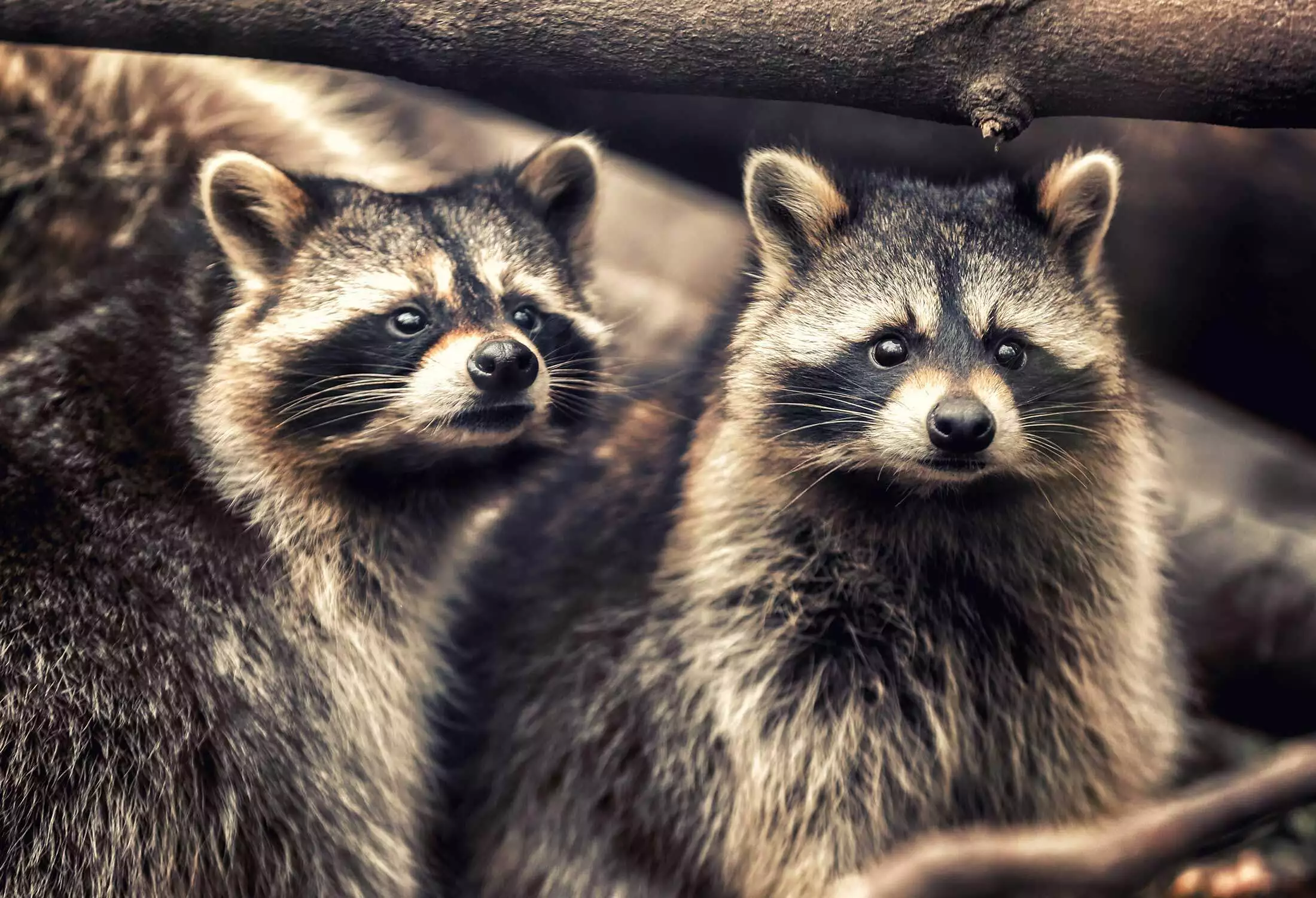
Noises can reveal species, location and urgency
What Raccoon Sounds Can Tell You
Raccoons make a wide range of noises. Chittering, growling, hissing, snarling, whining, whimpering and occasional screaming can occur during communication, conflict, mating or distress.
Inside a building, movement is often more useful than the vocalization alone. Heavy walking, thumping, rolling, scratching and dragging sounds after dark may point to a raccoon in an attic, chimney, wall-adjacent space or crawl space.
The time, volume and location of the sound help distinguish raccoons from squirrels, rats, mice and other animals. A qualified service request should describe those details rather than relying only on a guess about the species.
Original VPWRS field recording
Listen to Baby Raccoon Sounds
This recording was captured by Virginia Professional Wildlife Removal Services while removing baby raccoons from an attic. Young raccoons may make repeated chirping, chittering, squeaking or whining sounds.
Sound alone cannot confirm the species or exact location. The time, volume and area where the noise is heard should be considered along with exterior damage, tracks, droppings and other evidence.
Hearing similar sounds inside your home?
Tell us when the sounds occur, where they are loudest and whether you see damage around a soffit, vent, chimney, roofline or foundation opening.
Common vocalizations and what they may indicate
Common Raccoon Sounds
Chittering and clicking
High-pitched chittering may occur when raccoons communicate with one another, including mothers and young.
Growling, hissing and snarling
These are defensive sounds. Do not approach, corner or attempt to handle a raccoon making them.
Whining, whimpering and baby-raccoon sounds
Young raccoons may produce repeated squeaks, chirps or whining sounds when hungry, active or separated from the mother.
Screaming or intense vocal activity
Loud vocalizations can occur during conflict, mating or distress. The sound alone does not prove that the animal is trapped.
Sound changes with the structure
Raccoon Sounds Inside Homes and Buildings
In an attic, a raccoon can sound much heavier than a squirrel or rat. In a chimney, scratching and chittering may be concentrated above the fireplace. In a crawl space, movement can carry through floors, ducts and pipes.
Wall sounds are often misleading. A raccoon moving through an attic or roof-adjacent area may seem to be inside a wall because framing transfers the noise to another room.
Do not investigate by opening the area
Do not open a fireplace damper, attic hatch or crawl-space door simply to confirm the sound. A raccoon may be close to the opening.
Keep people and pets away and record the time, duration and location of the activity.
Use the sound as one part of the inspection
How Raccoon Noise Is Evaluated
- Note the time of activity. Raccoons are most often active after dark, while gray squirrels are usually heard during daylight hours.
- Describe the type of sound. Heavy walking, rolling, scratching, chittering or baby sounds provide different clues.
- Identify where it is loudest. Attics, fireplaces, exterior walls, ceilings and crawl spaces each suggest different inspection areas.
- Look for exterior evidence. Damaged soffits, vents, chimney caps, tracks and crawl-space openings may confirm the likely route.
- Inspect before sealing. The animal’s location and the possibility of dependent young must be considered before an opening is closed.
Raccoons Compared With Other Common Noises
- Raccoons: heavy walking, thumping, rolling and strong scratching, usually after dark
- Gray squirrels: quick running and chewing, usually during daylight hours
- Flying squirrels: lighter nighttime movement, often involving several animals
- Rats and mice: lighter scratching, gnawing and movement in walls or ceilings
- Birds: fluttering, pecking and vocal sounds near vents or chimneys
Sound location is not always exact
Framing, ductwork and hollow wall areas can carry noise. The room where the sound is loudest may not be the animal’s true location.
Exterior entry evidence and a structural inspection are needed to confirm the active area.
When a sound becomes a service problem
When Raccoon Sounds Need Professional Attention
Occasional outdoor vocalizations do not always require removal. The concern becomes more urgent when the sounds are inside a structure, continue over several nights, involve baby-raccoon noises, or are accompanied by visible entry damage, odor or droppings.
- Heavy nighttime movement in an attic or ceiling
- Chittering or young-animal sounds in a chimney
- Repeated activity behind a wall or above one room
- Movement beneath floors or near crawl-space vents
- Visible soffit, vent, chimney or foundation damage
- Odor, droppings or nesting material
Match the sound to the likely service area
Raccoon Sound and Removal Links
Questions about identifying raccoon sounds
Raccoon Sounds FAQ
What does a raccoon sound like in an attic?
They may use damaged vents, weak soffits, fascia gaps, roof intersections, uncapped chimneys or openings near additions and attached garages.
Why do raccoons chitter or click?
No. Young raccoons may still be inside, and the adult may return. The active situation should be evaluated before permanent closure.
How can I tell raccoon sounds from squirrel sounds?
Repellents, lights and noise do not reliably solve a structural raccoon problem. The animal, possible young and entry points must be addressed.
Should I open the attic or damper to identify the sound?
Include the full property address, when the sounds occur, where they are loudest, any sightings, odor, and safe photographs of exterior roof or soffit damage.
Request service
Request an inspection for raccoon sounds
Please complete our contact form below:
Include the property address, when the sound occurs, what it sounds like, where it is loudest, how long it lasts and any visible soffit, vent, chimney or foundation damage. For an immediate conversation during normal business hours, call (804) 457-2883.
Virginia Professional Wildlife Removal Services, LLC • (804) 457-2883 • vawildlifepro@gmail.com