
Professional muskrat solutions across Virginia
Muskrat Removal & Trapping in Virginia
We inspect ponds, reservoirs, shorelines and drainage areas, identify active muskrat burrows and property damage, and develop a site-specific trapping or removal plan.
Licensed and insured • Residential and commercial service • Serving Virginia since 2008
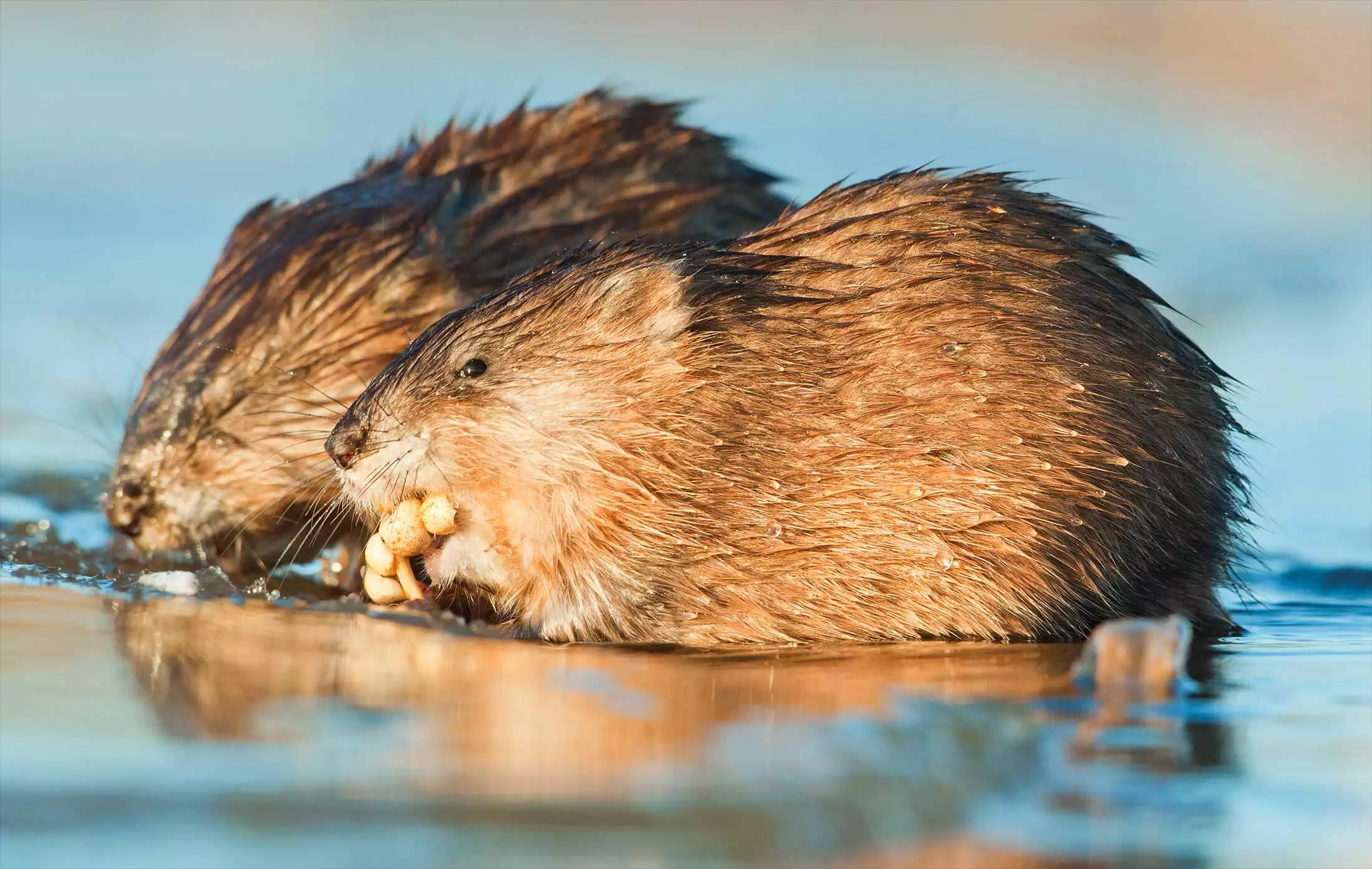
Muskrat burrows damaging a pond bank or dam?
Tell us the service address, whether the activity is at a pond, reservoir, shoreline or drainage area, and what damage you see. Photos of burrow openings, bank erosion, tracks, droppings and safe access routes can help us evaluate the request.
Keep people and pets away from the animal. Do not block an active burrow or attempt to trap a muskrat before the site is evaluated.
Call: (804) 457-2883
Hours: Mon–Fri 6 a.m.–6 p.m.
Sat–Sun 6 a.m.–noon
Since 2008
Serving Virginia properties
Permitted team
Commercial nuisance-animal work
Inspection + trapping
Plans based on the site
Pond-damage guidance
Wildlife and repair scopes separated
Common warning signs
Signs of muskrat activity around ponds and shorelines
Muskrats are semiaquatic rodents that commonly burrow into banks. Openings and travel routes can be difficult to see because they are often at or below the waterline.
Burrows, runs and slides
Holes at the waterline, underwater runs, worn slides and soft ground along a bank can indicate active muskrat travel or den sites.
Bank or dam damage
Erosion, settling, leaks, washed-out soil or a collapsing edge may be associated with burrows and should be evaluated before the area is disturbed.
Feeding and track evidence
Clipped aquatic plants, droppings, tracks and piles of mussel, crayfish or plant remains can help confirm activity near the water.
Professional response
Muskrat inspection, removal and trapping
We begin with the water feature, reported damage, access and current activity. Inspection can identify likely burrows, shoreline runs, feeding areas and the parts of the property most at risk.
The recommended service is based on the site. Trapping, monitoring and follow-up needs vary with access, water conditions, animal activity and the condition of the bank or embankment.
Helpful site details
- Pond, reservoir, dam or shoreline location
- Burrow openings, slides or runs
- Leaks, erosion or collapsed ground
- Water-level changes
- Pond liner or landscaping damage
- Road, gate and walking access
- Clear photos from a safe location
How the work is planned
Our muskrat-removal process
The exact work depends on the water feature, access, animal activity, bank condition and any site requirements.
1. Gather details
We ask about the address, water feature, visible damage, access, recent changes and available photos.
2. Inspect the site
We evaluate active sign, likely burrows and runs, shoreline conditions and practical trapping access.
3. Define the service
We explain the recommended removal or trapping scope and any site limitations before work begins.
4. Monitor and advise
Follow-up and damage-reduction recommendations are based on results and conditions at that property.
Water and property concerns
Muskrat burrows can weaken banks and embankments
Burrowing can remove soil from pond banks, reservoirs, drainage channels and earthen embankments. Over time, voids may contribute to settling, erosion, leaks or sudden collapse.
Muskrats can also damage pond liners, shoreline landscaping and aquatic plantings. The visible opening may represent only part of the underground burrow system.
Common concerns
- Soft, hollow or collapsing ground
- Leaks through an earthen bank or dam
- Shoreline erosion and washouts
- Damaged pond liners
- Loss of aquatic or landscape plants
- Burrows near paths, structures or equipment
Identify the animal
Muskrat or beaver?
Muskrats are much smaller than beavers and commonly use bank burrows, narrow runs and feeding platforms. Beavers are more often associated with felled trees, large dams, lodges and broad flooding changes.
The signs can overlap. A shoreline inspection and clear photos can help identify the likely animal before a service plan is proposed.
Compare common clues
- Muskrat: smaller animal, bank burrows, narrow slides, clipped plants
- Beaver: large animal, cut trees, dams, lodges and canals
- Both: tracks, water access and shoreline disturbance
Separate the work scopes
Muskrat removal and pond repair are not automatically the same service
Removing muskrats does not by itself fill a burrow, stop a leak, restore a pond liner or rebuild an embankment. Excavation, compaction, liner repair, dam work and shoreline restoration may require a separate contractor, engineer, equipment or regulatory review.
Do not lower the water or fill an active burrow without first understanding the wildlife activity and the condition of the structure. Poorly timed repairs can collapse a bank, create a washout or leave the underlying problem unresolved.
Before repair work
- Confirm whether muskrats are still active
- Evaluate leaks and unstable ground
- Identify buried utilities and downstream risks
- Protect liners and water-control structures
- Use qualified pond, dam or shoreline contractors
- Confirm any permits or approvals that apply
After the immediate problem
Damage-reduction options for muskrat sites
Long-term recommendations depend on the bank design, available food, water levels, liner construction and the areas that need protection. No single repellent reliably solves an established burrow system.
Useful measures may include regular bank inspections, vegetation management, prompt professional evaluation of new holes and coordinated repairs after active animals are addressed.
Possible site measures
- Inspect banks after storms or water-level changes
- Document new holes, slides and soft areas
- Maintain safe access and visibility
- Protect vulnerable pond liners and shorelines
- Coordinate wildlife control before repairs
- Recheck repaired areas for renewed activity
Statewide service
Virginia Service Coverage
VPWRS accepts qualifying muskrat-removal and trapping requests throughout Virginia for residential, commercial, agricultural and managed properties. Common service locations include ponds, reservoirs, shorelines, earthen dams and drainage areas.
Availability depends on the exact address, travel distance, water access, bank condition, property boundaries, trapping scope, monitoring requirements and technician scheduling.
Representative areas served
Central Virginia: Richmond, Henrico, Chesterfield, Hanover, Goochland, Powhatan, Louisa, Fluvanna, Charlottesville and Albemarle County.
Northern Virginia: Fairfax, Manassas, Centreville, Burke, Reston, Ashburn and Leesburg.
Hampton Roads and Tidewater: Virginia Beach, Chesapeake, Norfolk, Suffolk, Newport News and Williamsburg.
Shenandoah Valley and western Virginia: Harrisonburg, Staunton, Waynesboro and Winchester.
Muskrat-service limitations
- Service is limited to qualifying properties with practical and lawful access to the affected water feature.
- Inspection and trapping scope depend on active sign, bank stability, water depth, shoreline access and monitoring requirements.
- Muskrat removal does not automatically include pond-dam repair, shoreline reconstruction, liner repair, excavation or engineering work.
- Permission must be confirmed for every property or shoreline area that technicians need to enter.
- Remote properties may require clear photos and detailed access information before scheduling.
Common questions
Muskrat removal FAQ
How do I get rid of muskrats in a pond?
Start with an inspection of the water feature, active sign, access and damage. Professional trapping or removal should be matched to the property and applicable requirements. Filling visible holes or relying on a repellent may not resolve an active burrow system.
Do you provide muskrat trapping?
Yes. We provide professional muskrat-removal and trapping services when appropriate for the site. The scope is based on inspection, access, activity and applicable laws or permissions.
How can I tell a muskrat from a beaver?
Muskrats are smaller and commonly use bank burrows, narrow slides and feeding areas. Beavers are more often associated with large dams, lodges and cut trees. Photos and inspection can help confirm the likely animal.
Will you repair my pond dam or shoreline?
Pond, dam, liner and shoreline repairs are separate from animal removal unless specifically included in a written scope. Structural work may require specialized contractors, equipment, engineering or approvals.
Should I fill muskrat burrows myself?
Do not fill or collapse a suspected active burrow before the area is evaluated. Burrows may extend farther than the visible opening, and disturbing unstable banks can cause collapse, leaks or washouts.
Do muskrat repellents work?
Repellent results are inconsistent and do not repair burrows or address the conditions supporting activity. Monitoring, professional removal and coordinated site repair are generally more dependable parts of a damage-control plan.
What should I send with my request?
Provide the service address, property type, location of the pond, reservoir, dam or shoreline, the damage you see, access limitations and clear photos taken from a safe location.
How much does muskrat removal cost?
Cost depends on travel, access, site size, active sign, removal method, monitoring needs and any separately approved damage-control work. Request details and inspection help define the scope.
Do you provide muskrat removal across Virginia?
Yes. We serve residential, commercial, agricultural and managed properties across Virginia. Scheduling depends on location, access and the work required.
Related services and resources
Beaver removal • View all wildlife services • Virginia DWR nuisance-wildlife information • Request service
Request service
Tell us what is happening at your property
Please complete our contact form below:
Include as much detail as possible. For an immediate conversation during normal business hours, call (804) 457-2883.
Virginia Professional Wildlife Removal Services, LLC • (804) 457-2883 • vawildlifepro@gmail.com