Chimney raccoon removal and exclusion
Raccoons in Chimneys
Professional inspection and removal when raccoons enter an uncapped or damaged chimney, den above the fireplace, or leave young, nesting material, odor and droppings inside the flue.
Licensed and insured • Residential and commercial service • Serving Virginia since 2008
Scratching above the fireplace, damper noise and hidden den sites
When a Raccoon Gets Into a Chimney
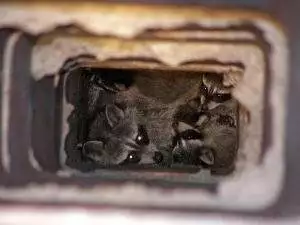
An uncapped or damaged chimney can provide a protected den site. A raccoon may rest on the smoke shelf, remain above the damper or use the flue while raising young.
Homeowners often report scratching, thumping, chittering or movement near the fireplace, especially at night. Odor, droppings, nesting material or debris may also fall into the firebox.
Do not light a fire, use smoke or pour repellents into the chimney. The animal may be unable to escape, young may be present and the situation can become more dangerous.
Clues that the animal is inside the flue
Signs of Raccoons in a Chimney
Sounds near the fireplace or damper
Scratching, thumping, chittering or movement may be heard above the firebox, inside the wall around the chimney or near the roofline.
Debris or waste in the firebox
Droppings, nesting material, soot disturbance or pieces of debris may fall below the damper.
Strong odor from the chimney
Urine, droppings, nesting material or a dead animal can create odor that enters the room through the fireplace.
Activity at the chimney top
A raccoon may be seen climbing onto the roof, entering an uncapped flue or repeatedly returning to the chimney.
A common spring and early-summer concern
Mothers and Young Raccoons in Chimneys
A female raccoon may select a chimney because it resembles a protected hollow tree. Young can remain above the damper or on the smoke shelf even when the adult leaves to forage.
Removal must account for both the adult and any dependent young. Sealing or capping the chimney before all animals are confirmed out can trap them inside.
Do not light a fire or cap the chimney first
Smoke, fire, repellents and premature chimney caps can injure the animals, trap them inside or drive them into the living area.
The correct sequence is inspection, removal, confirmation, cleanup as needed, and installation or repair of a suitable cap.
Inspection before chimney exclusion
How Chimney Raccoon Removal Is Evaluated
- Review the reported activity. Sounds, odor, sightings, debris and fireplace conditions help identify the likely location.
- Inspect accessible chimney areas. The fireplace, damper, smoke shelf, flue and chimney top are considered where safe access is available.
- Check for dependent young. A female may leave the chimney temporarily while young remain hidden inside.
- Remove the raccoons. The method depends on the chimney design, animal location, access and presence of young.
- Prevent reentry. A suitable chimney cap or repair can be discussed after every animal is confirmed out.
Why Raccoons Use Chimneys
- Missing or damaged chimney caps
- Open masonry or prefabricated flues
- Protected smoke shelves above dampers
- Roof access from nearby trees or structures
- Quiet fireplaces that are not regularly used
- Damaged screening or deteriorated chimney components
Keep the damper and fireplace area undisturbed
Do not open the damper to look for the raccoon. An animal resting above it may fall or enter the room.
Keep people and pets away from the fireplace until the chimney has been evaluated.
After every raccoon is confirmed out
Chimney Cleanup, Damage and Cap Installation
Raccoons may leave droppings, urine, nesting material and debris on the smoke shelf or inside the flue. The chimney cap, screening, damper or surrounding materials may also be damaged.
The most useful service request explains where the sounds are heard, whether the fireplace is wood-burning or gas, whether the damper is open or closed, and whether a chimney cap is visible.
- Remove reachable nesting material or waste
- Evaluate accessible odor and contamination concerns
- Inspect the existing chimney cap or screening
- Discuss a suitable cap after the raccoons are out
- Identify visible damage that may require chimney repair
Related raccoon service information
Raccoon Removal and Identification Links
Questions about raccoons inside chimneys
Raccoons in Chimneys FAQ
What should I do if a raccoon is in my chimney?
They may use damaged vents, weak soffits, fascia gaps, roof intersections, uncapped chimneys or openings near additions and attached garages.
Can there be baby raccoons in the chimney?
No. Young raccoons may still be inside, and the adult may return. The active situation should be evaluated before permanent closure.
Should I open the fireplace damper?
Repellents, lights and noise do not reliably solve a structural raccoon problem. The animal, possible young and entry points must be addressed.
Do I need a chimney cap after removal?
Include the full property address, when the sounds occur, where they are loudest, any sightings, odor, and safe photographs of exterior roof or soffit damage.
Request service
Request raccoon removal from a chimney
Please complete our contact form below:
Include the property address, where the sounds are heard, whether the fireplace is wood-burning or gas, whether the damper is open or closed and whether a chimney cap is visible. For an immediate conversation during normal business hours, call (804) 457-2883.
Virginia Professional Wildlife Removal Services, LLC • (804) 457-2883 • vawildlifepro@gmail.com