Professional mole solutions in Central Virginia
Mole Removal in Richmond & Charlottesville
Our mole removal service helps property owners in Richmond, Henrico and Charlottesville address active lawn tunnels, raised ridges and soil mounds. We inspect the affected area, identify current travel patterns, and recommend professional trapping and control when appropriate.
Licensed and insured • Residential and commercial service • Richmond metro, Henrico and Charlottesville only
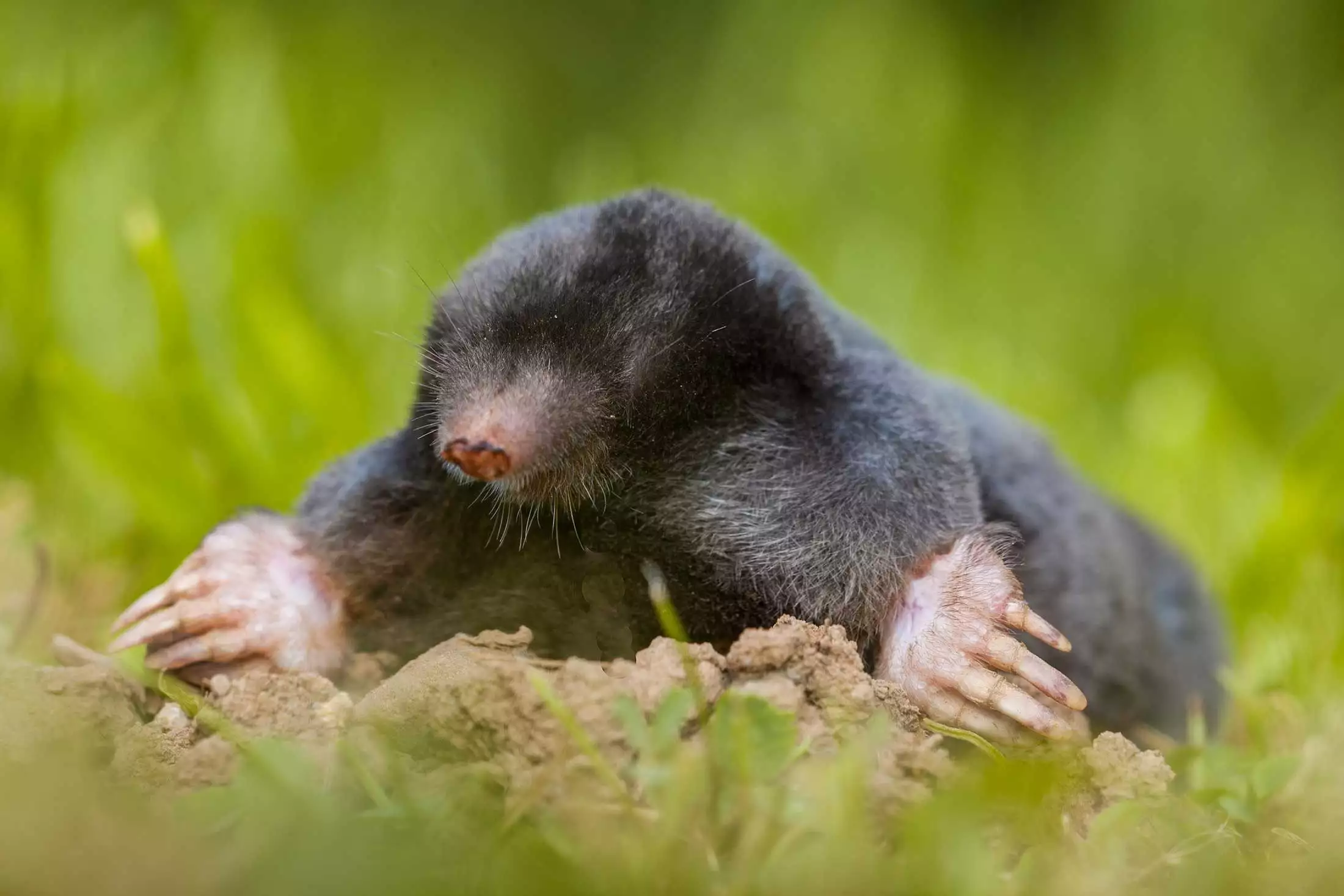
Seeing raised tunnels or fresh soil mounds?
Send the service address and tell us where the activity appears, how large the affected area is and when you first noticed fresh tunnels or mounds. Wide lawn photos and close-ups of the newest activity help us evaluate the request.
Mole damage can resemble vole or other lawn problems. We identify the likely animal and active travel areas before recommending service.
Call: (804) 457-2883
Hours: Mon–Fri 6 a.m.–6 p.m.
Sat–Sun 6 a.m.–noon
18 years
Serving Virginia properties
Limited service area
Richmond, Henrico and Charlottesville
Inspection + trapping
Plan based on active sign
Clear scope
No permanent-control promises
Common warning signs
Signs of active mole activity
Fresh tunneling matters more than old damage. A property may show several types of activity at the same time.
Raised surface tunnels
Ridges that cross a lawn or landscaped bed may mark shallow feeding tunnels. Fresh sections can feel soft or lift underfoot.
Fresh soil mounds
Rounded piles of loose soil can form where deeper tunnels are excavated. New soil is more useful than weathered mounds when locating activity.
Activity shifts over time
Rain, soil conditions and food availability can change where moles travel. Monitoring helps separate active routes from abandoned tunnels.
Professional response
Professional Mole Removal and Trapping
We begin with the reported damage, fresh sign, lawn layout, soil conditions and accessible travel areas. The inspection helps identify active tunnels and distinguish a current mole problem from old damage or another animal.
The recommended mole removal or control plan depends on what is active at the site. Results, weather and new tunneling guide follow-up. No responsible wildlife service can promise that a property will remain permanently free of moles.
Helpful property details
- Service address and property type
- Size and location of the affected lawn
- Fresh tunnels, mounds and soft areas
- When new activity is most noticeable
- Recent rain, irrigation or landscaping
- Pets, children and access restrictions
- Clear photos of the newest sign
How the work is planned
Our Mole Removal Process
The exact plan depends on active sign, accessible tunnels, lawn conditions and the scope approved for the property.
1. Gather details
We ask about the address, affected areas, recent activity, access, pets and available photos.
2. Inspect active sign
We evaluate fresh tunnels and mounds and determine which travel areas are practical to target.
3. Define the service
We explain the recommended trapping or control scope, site limitations and follow-up before work begins.
4. Monitor results
New activity and results guide follow-up and practical lawn or landscape recommendations.
Identify before treating
Mole, vole or another lawn problem?
Moles make raised underground tunnels and soil mounds while searching for soil animals. Voles are plant-eating rodents that use surface runways and burrow openings. The damage and appropriate service are different.
Use our Moles or Voles? guide for a side-by-side comparison. If surface runways, small holes and plant gnawing are the main signs, review our vole-removal service.
For additional information about mole behavior and lawn damage, see Virginia Cooperative Extension’s guide to managing human-wildlife interactions with moles.

After active removal
Monitor new tunneling and protect repaired areas
Flattening old tunnels can make fresh activity easier to recognize, but it does not remove the animal. After active service, watch for newly raised ridges or soil and document where they appear.
Store-bought repellents and home remedies do not guarantee lasting control. Soil conditions, moisture and neighboring habitat can all influence new mole activity.
Useful follow-up steps
- Mark or photograph fresh activity
- Flatten old ridges for easier monitoring
- Keep access routes clear for service
- Report new tunnels promptly
- Repair lawn damage after activity slows
- Avoid unverified poison or bait placement
- Reassess after major weather changes
Limited Central Virginia service
Mole service in Richmond, Henrico and Charlottesville
Our mole service is limited to Richmond metro, Henrico County and Charlottesville-area properties. We do not advertise statewide mole removal. Scheduling and scope depend on the exact address, active area, access and work required.
Send the service address first so we can confirm coverage. Include clear photos of fresh tunnels, mounds and the surrounding lawn or landscaped area.
Good photos include
- A wide view of the affected lawn
- Fresh raised tunnels or soft ridges
- New soil mounds and nearby features
- Property gates and walking access
- Areas near irrigation or garden beds
- A reference object showing scale
Limited Central Virginia service
Virginia Service Coverage
Mole removal is not a statewide VPWRS service. Service is limited to qualifying properties in the Richmond metropolitan area and the Charlottesville metropolitan area.
Send the complete service address before scheduling so coverage can be confirmed.
Qualifying mole-service areas
Richmond metro area: Richmond, Henrico County, Glen Allen, Short Pump and nearby qualifying properties within the approved service radius.
Charlottesville metro area: Charlottesville and nearby qualifying properties within the approved service radius.
Coverage depends on the exact address, travel requirements, property access and current technician availability.
Mole-service scope and limitations
- Fresh raised tunnels and soil mounds must be evaluated because vole and other lawn activity can look similar.
- Service depends on active travel areas, soil and lawn conditions, property size, safe access and practical trap placement.
- Pets, children, irrigation, landscaping work and treatment restrictions must be disclosed before service.
- Mole trapping or control does not repair damaged turf, landscaping or irrigation.
- Weather, soil moisture, food and neighboring habitat can shift mole activity.
- Monitoring and follow-up may be required. No responsible service can guarantee that moles will never return.
Common questions
Mole removal FAQ
How can I tell if I have moles?
Fresh raised tunnels, soft ridges and loose soil mounds are common clues. Because old damage and other animals can look similar, active sign should be evaluated before a service plan is selected.
Do you provide professional mole removal?
Yes, within our limited service area. We inspect reported activity and provide site-specific mole trapping or control when the evidence and property conditions support that service.
Where do you provide mole service?
Mole service is limited to Richmond metro, Henrico County and the Charlottesville area. Send the exact service address so coverage can be confirmed before scheduling.
What is the difference between a mole and a vole?
Moles create raised underground tunnels and soil mounds. Voles are plant-eating rodents that use surface runways and small burrow openings. The correct service depends on which animal is active.
Do moles eat plant roots?
Moles primarily search soil for earthworms and other invertebrates. Their tunneling can disturb roots and turf, but gnawed plants and bark are more consistent with voles or other rodents.
Will repellent permanently get rid of moles?
No repellent can responsibly be presented as a permanent solution. Results vary, and repellents do not remove an active animal or prevent activity from neighboring habitat.
Should I use poison or home remedies myself?
This page does not provide do-it-yourself poison instructions. Incorrect products or placement can endanger people, pets and non-target animals. Ask about a professional, site-specific plan instead.
What should I send with my request?
Provide the service address, property type, size and location of the affected area, when activity began, access details and clear photos of fresh tunnels and mounds.
How much does mole removal cost?
Cost depends on travel, property size, active areas, access, trapping or control scope and follow-up needs. The address and photos help determine the appropriate next step.
Do you guarantee that moles will never return?
No. Wildlife activity can change with weather, soil moisture, food and neighboring habitat. We explain the approved service and practical follow-up without making a permanent-control promise.
Related services and resources
Moles or Voles? • Vole removal • All wildlife services • Request service
Request service
Tell us what is happening at your property
Please complete our contact form below:
Include as much detail as possible. For an immediate conversation during normal business hours, call (804) 457-2883.
Virginia Professional Wildlife Removal Services, LLC • (804) 457-2883 • vawildlifepro@gmail.com