Professional rat solutions across Virginia
Rat Control & Exclusion in Virginia
Our rat control in Virginia service helps homes and businesses address active rat problems. We inspect for rat activity and entry points, then recommend a site-specific plan that may include trapping, secured bait stations, exclusion, cleanup guidance and monitoring.
Licensed and insured • Residential and commercial service • Serving Virginia since 2008
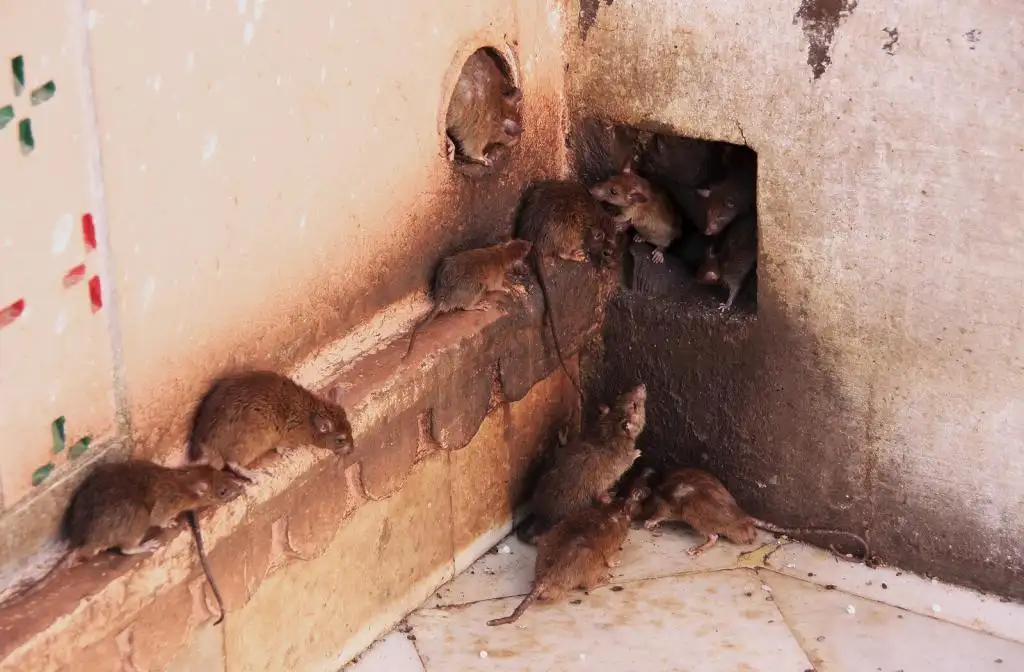
Seeing droppings or hearing movement?
Send the service address and tell us where the evidence appears, when noises occur and whether the activity is indoors, outdoors or both. Clear photos of droppings, gnawing, openings and affected areas can help us evaluate the request.
Keep people and pets away from droppings, damaged bait or trapped animals. Do not seal a suspected entry opening until the active problem has been assessed.
Call: (804) 457-2883
Hours: Mon–Fri 6 a.m.–6 p.m.
Sat–Sun 6 a.m.–noon
18 years
Serving Virginia properties
Inspection first
Plan based on active evidence
Multiple tools
Trapping, baiting and exclusion
Clear follow-up
Monitoring based on the site
Common warning signs
Signs that rat control may be needed
One sign does not always confirm rats. Location, size, timing and repeated activity help distinguish rats from mice or wildlife.
Droppings and odor
Rat droppings, urine odor and repeated contamination may appear near food, storage, wall edges, utility areas, crawl spaces and travel routes.
Gnawing and damage
Fresh gnawing on wood, plastic, containers, insulation or wiring can indicate active rodents. Damage location and size help with identification.
Noises and movement
Scratching, running or chewing sounds may occur in walls, ceilings, crawl spaces, attics or lower building areas, especially when the property is quiet.
Grease marks and tracks
Repeated travel can leave rub marks, footprints, tail marks or worn pathways along walls, pipes, beams, foundations and protected edges.
Burrows and nests
Norway rats may use ground-level burrows, while other rats may nest in elevated or protected areas. Nest material and travel height provide useful clues.
Food and pet-feed activity
Damaged food packages, disturbed pet or livestock feed, trash activity and accessible water can support an infestation and influence the control plan.
Inspection and control
A site-specific rat-control plan
Rat control in Virginia begins by examining active evidence, likely travel routes, food and water, nesting areas and building openings. We also consider whether the pattern is more consistent with Norway rats, roof rats, mice or another animal.
The recommended service may include traps, tamper-resistant bait stations, label-compliant rodenticide use, monitoring, cleanup guidance and exclusion. The combination and timing depend on the property and active problem; no single method fits every site.
Helpful request details
- Exact service address
- Home, business or managed property
- Rooms and exterior areas affected
- Times and frequency of noises
- Droppings, damage or burrows observed
- Food, pet feed, trash and water nearby
- Clear photos from a safe distance
Professional methods
How rat control is selected
The service scope is confirmed after the property and evidence are reviewed.
Trapping
Traps may be used where active routes can be identified and safe, effective placement is practical. Placement and checking schedules depend on the property.
Secured bait stations
Tamper-resistant stations and registered rodenticide may be used when appropriate. Product, placement and monitoring must follow the label and site risks.
Exclusion
Openings around foundations, doors, utilities, vents and structural transitions may require repair after active conditions and timing have been evaluated.
Monitoring and follow-up
Follow-up may include checking traps or stations, reviewing new evidence, adjusting placement and confirming whether sanitation or repairs are reducing activity.
Identify the rodent
Norway rat, roof rat, mouse or another animal?
Norway rats are often associated with ground-level travel, burrows and lower areas of structures. Roof rats are capable climbers and may use upper building areas. Mice, squirrels and other animals can leave evidence that visitors mistake for rats. Review our mouse-control service when the evidence appears more consistent with mice.
Dropping size and shape, gnawing, tracks, travel height, openings and camera footage can all help. We do not assume every noise or dropping was caused by a rat.
Protect people, pets and property
Avoid improvised bait and trap placement
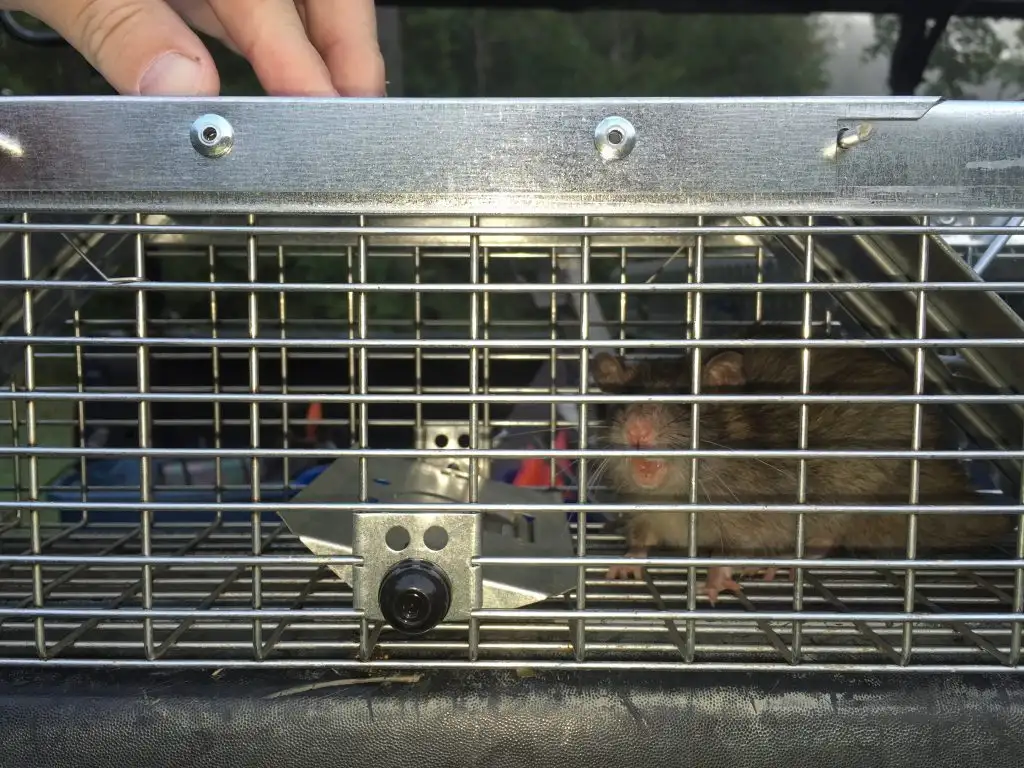
Rat droppings, damaged wiring, contaminated food and misplaced control products can create risks. Do not scatter poison, place unsecured bait where children or animals can reach it, or copy placement instructions that ignore the building and active travel pattern.
The U.S. Environmental Protection Agency explains safe rodent-bait use. The CDC provides guidance on sealing rodent entry points.
What to avoid before service
- Do not move or sweep dry droppings without proper precautions
- Do not scatter loose bait
- Do not use unsecured bait around children or animals
- Do not seal active openings before assessment
- Do not disturb a trapped or injured animal
- Do not cover evidence needed for identification
How the work is planned
Our rat-control process
The exact steps depend on the address, access, active evidence, infestation and work approved.
1. Gather details
We collect the service address, property type, affected areas, activity times, droppings, damage, food sources, access restrictions and safe photos.
2. Inspect and identify
We evaluate evidence, likely species, travel routes, nesting areas, entry points, food, water, sanitation and conditions affecting safe control.
3. Define the service
We explain the recommended trapping, baiting, monitoring, cleanup guidance and exclusion scope, including preparation and site limitations.
4. Monitor and advise
Approved work is monitored and adjusted as needed. We provide practical sanitation, food-storage, moisture and repair recommendations for the property.
Reduce future activity
Food control, sanitation and exclusion matter
Store human and pet food in durable containers, manage trash, correct accessible water sources and reduce clutter that provides protected nesting. Repair decisions should account for the animal’s current activity so openings are not closed at the wrong time.
Because neighboring conditions, shared structures, outdoor food and building defects can support new activity, no responsible service can promise that a property will remain permanently rat-free.
Common prevention priorities
- Secure trash and food storage
- Manage pet and livestock feed
- Repair gaps around utilities and doors
- Screen accessible vents where appropriate
- Reduce dense clutter and harborage
- Monitor for new droppings or gnawing
- Recheck repairs after building changes
Residential and commercial rat service
Virginia Service Coverage
VPWRS evaluates rat-control and exclusion requests throughout Virginia for homes, businesses and managed properties. Availability must be confirmed by the exact address, active evidence, access, travel requirements and work needed.
Send the complete service address and clear evidence before scheduling.
Representative areas served
Central Virginia: Richmond, Henrico County, Chesterfield County, Hanover County and Goochland County.
Northern Virginia: Fairfax County, Arlington, Manassas and Ashburn.
Tidewater and Hampton Roads: Virginia Beach, Chesapeake, Norfolk and Newport News.
Charlottesville and western Virginia: Charlottesville, Harrisonburg, Staunton and Roanoke.
Service scope and limitations
- Service depends on confirming rats or another rodent from evidence, inspection or monitoring.
- Trapping, secured bait stations, rodenticide, monitoring and exclusion are selected for the site.
- Children, pets, livestock, food operations and access restrictions affect product and placement decisions.
- Exclusion depends on accessible openings, building materials, active conditions and approved repair scope.
- Dead-rat removal is limited to carcasses that can be safely and practically accessed.
- Shared structures, neighboring conditions, food, water and new openings can cause future activity.
- No responsible service can guarantee that rats will never return.
Common questions
Rat control in Virginia FAQ
What rat-control services does VPWRS provide?
Yes. Residential, commercial and managed-property requests are evaluated by address, activity, access, property conditions and work required.
How can I tell whether the animal is a rat or mouse?
A site-specific plan may include registered rodenticide in tamper-resistant bait stations when appropriate. Product choice, placement and monitoring depend on the label, property and risks at the site.
Do you seal rat entry points?
Accessible dead-animal removal may be available. Describe the exact location, odor, access and building area in the request form so the request can be evaluated.
Can you guarantee the rats will never return?
Provide the service address, property type, best phone number, affected rooms or exterior areas, activity times, droppings or damage observed, access details and clear photos when safe.
How much does rat control cost?
Related services and resources
Pest control • Mouse control • All services • Dead-animal removal • Rat problems in homes • Request service
Request service
Tell us what is happening at your property
Please complete our contact form below:
Include as much detail as possible. For an immediate conversation during normal business hours, call (804) 457-2883.
Virginia Professional Wildlife Removal Services, LLC • (804) 457-2883 • vawildlifepro@gmail.com