Whole-structure inspection for squirrel entry into Virginia homes
Squirrels in Homes Removal and Exclusion
Professional help locating how squirrels enter homes, removing them from attics, walls, vents and lower spaces, and correcting confirmed entry points.
Licensed and insured • Locally owned • Serving Virginia since 2008
Exterior entry signs and interior activity throughout the structure
How Squirrels Get Into Homes
Squirrels usually enter through an exterior defect rather than appearing inside without a route. Common access areas include damaged soffits, fascia gaps, roof edges, gable vents, roof vents, chimney transitions, roof returns and openings around additions or attached garages.
Once inside, squirrels may remain in the attic or move into walls, soffits, vents, garages, crawl spaces or other connected cavities. The location where sound is heard does not always match the original entry point.
A whole-structure inspection should identify the species, active opening, travel route, possible young and related vulnerabilities before removal or repair begins.
Attic activity
Running, rolling and chewing often begin near the roofline
Wall and chase activity
Sounds may move through framing, chimneys and utility spaces
Vent and soffit entry
Damaged screens and roof returns can provide access
Lower structural entry
Garages, crawl spaces and utility openings may also be involved
Different parts of a home create different service problems
Where Squirrels May Be Found Inside a Home
Attics and roof spaces
Attics are common den areas because they provide shelter, insulation and access from soffits, vents and roof edges.
Walls and chases
Squirrels may move from the attic into vertical wall cavities, chimney chases, plumbing spaces or framing beside additions.
Vents and soffits
Damaged gable vents, roof vents and soffit returns can serve as both entry points and nesting areas.
Garages and lower spaces
Attached garages, enclosed porches, crawl spaces and utility openings may provide alternate access depending on the building.
Daytime Household Activity
Gray squirrels may create heavier running or chewing sounds during daylight.
Nighttime Household Activity
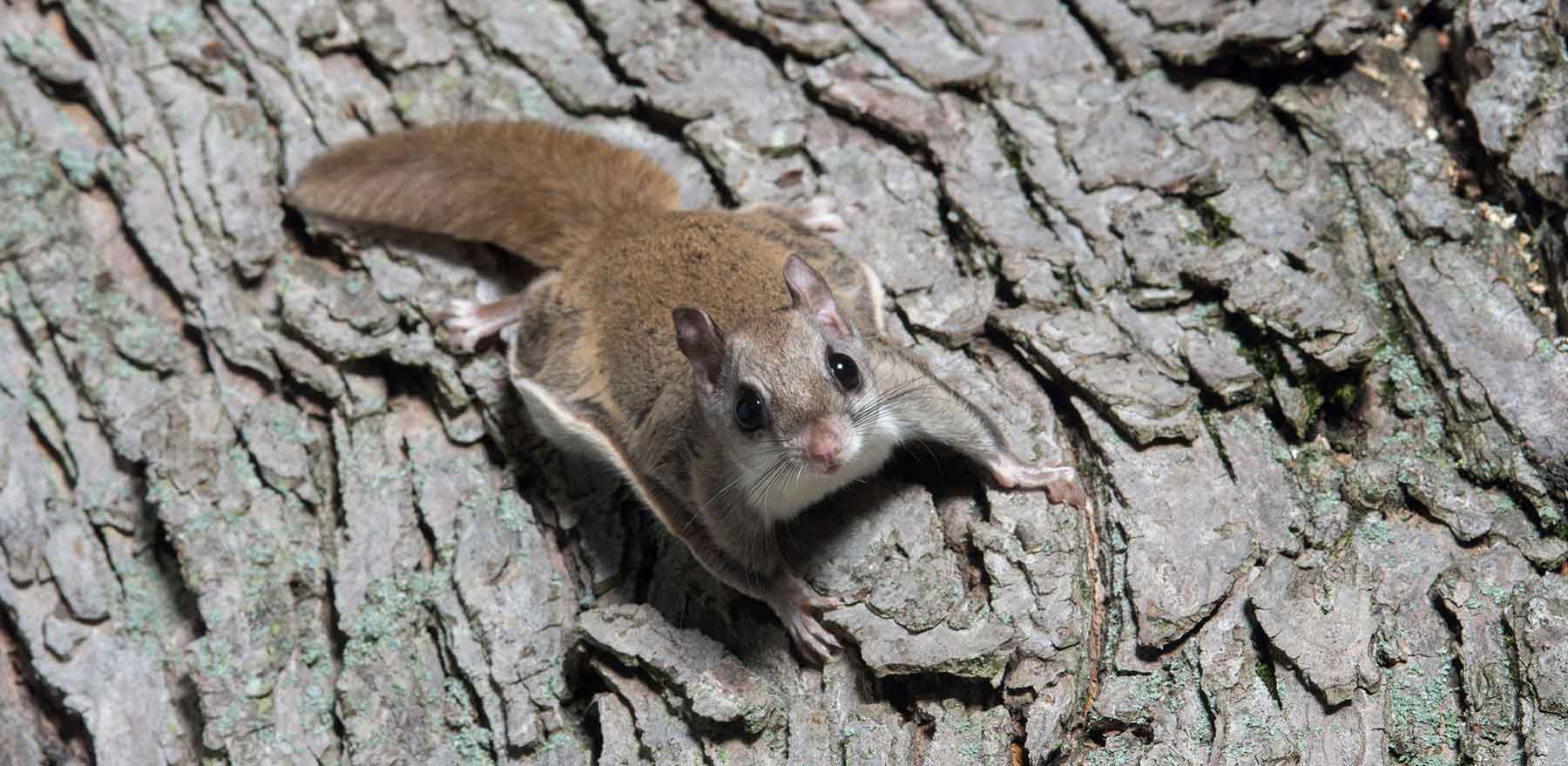
Flying squirrels and rodents may create lighter sounds after dark.
Visible Entry Evidence
Chewed soffits, damaged vents, roof gaps and repeated exterior travel can reveal the route.
Do not close the visible opening before the structure is checked
More Than One Squirrel May Be Inside
A home may contain an adult squirrel, dependent young or several flying squirrels using multiple narrow gaps. Activity may also extend beyond the room or attic area where the sound is noticed.
Closing one visible opening too soon can trap animals inside, separate a mother from young or cause squirrels to damage another part of the home while trying to escape or return.
The removal and exclusion plan should account for species, season, den location, connected cavities and all confirmed entry points.
Helpful details for a squirrel-in-home call
- The complete Virginia service address
- Where and when sounds are heard
- Whether squirrels are seen near the roof or lower structure
- Any visible soffit, fascia, vent, roof or siding damage
- Whether activity occurs in the attic, walls, vents or crawl space
- Safe photographs of the building and suspected entry area
Call: (804) 457-2883
Hours: Mon–Fri 6 a.m.–6 p.m.
Sat–Sun 6 a.m.–noon
Whole-structure inspection and service planning
How Squirrels in Homes Are Evaluated
- Document the activity. Sound timing, room location, exterior sightings, droppings and damage help identify the likely species and den area.
- Inspect exterior entry points. Roof edges, soffits, fascia, vents, chimneys, siding, garages and additions are evaluated where safely accessible.
- Evaluate connected interior spaces. Attics, wall cavities, soffits, vents and lower structural areas may share the same travel route.
- Perform the agreed removal work. Trapping, direct removal, one-way devices or another method may be used depending on the species and conditions.
- Confirm the home is clear before exclusion. Active openings and appropriate related vulnerabilities can then be secured.
After the squirrel problem is resolved
Whole-Home Exclusion and Repair Planning
Squirrel activity may damage soffits, fascia, vents, roof edges, siding, wiring, insulation and stored materials. Nesting debris, droppings and urine can also affect the den area.
Available work may include closing confirmed entry points, repairing limited wildlife-related damage, securing appropriate vulnerable areas and addressing accessible nesting material or contaminated debris when conditions warrant it.
Electrical, roofing, plumbing, siding, insulation or major structural work may require the appropriate licensed trade or a separately defined restoration scope.
Home entry areas commonly evaluated
- Soffits, fascia and roof edges
- Gable vents and roof vents
- Chimney and flashing transitions
- Roof returns, dormers and eaves
- Attached garages and additions
- Siding, crawl-space and utility openings
The final scope should address the confirmed entry route and animal activity rather than sealing every visible gap without evidence.
Choose the page that matches the structural problem
Squirrels in Homes and Service Links
- Virginia squirrel removal
- Flying squirrel removal
- Squirrels in attics
- Squirrels in walls
- Squirrel in vent
- Squirrel in crawl space
- Professional squirrel trapping
- Squirrel damage and repairs
- Squirrel removal cost
- All wildlife-removal services
Safe photographs of several sides of the home can help show how trees, rooflines, additions and visible openings relate to the activity.
Quick answers
Questions about squirrels entering homes
Squirrels in Homes FAQ
How do squirrels get into homes?
Common routes include damaged soffits, fascia gaps, roof edges, gable and roof vents, chimney transitions, roof returns, additions, garages and lower structural openings.
What are the first signs of squirrels in a house?
Early signs can include exterior roofline activity, gnaw marks, damaged vents, daytime attic noise, disturbed insulation, droppings or movement inside walls.
Can squirrels move from the attic into walls?
Yes. Attics, soffits, wall cavities, chimney chases and additions can be connected through framing and utility spaces.
Can squirrels enter through crawl spaces or garages?
Yes. Depending on the building, damaged vents, doors, utility gaps, attached garages or enclosed porches may provide lower-level access.
Should I seal every opening I see?
No. Active entry points and occupied spaces should be identified first. Sealing without confirming the animals are out can trap squirrels or young inside.
Can more than one squirrel be inside?
Yes. A female may have dependent young, and flying squirrels may occupy a structure in groups or use several narrow openings.
Do you repair squirrel entry points?
Appropriate exclusion and limited wildlife-related repair options may be available after the home is confirmed clear.
How much does squirrel removal from a home cost?
Cost depends on species, den location, access, young, number of entry points, removal method, exclusion, repairs and cleanup.
Request Squirrel-in-Home Removal Service
Please complete our contact form below:
Include the Virginia service address, where and when sounds occur, whether squirrels are seen outside, the part of the home involved, visible entry damage and safe photographs when available. For an immediate conversation during normal business hours, call (804) 457-2883.
Virginia Professional Wildlife Removal Services, LLC • (804) 457-2883 • vawildlifepro@gmail.com