
Honest guidance on squirrel repellents, deterrents and structural removal
Squirrel Repellent and Deterrent Options
Learn when squirrel repellents may help, when they usually fail and when professional removal and exclusion are needed.
Licensed and insured • Locally owned • Serving Virginia since 2008
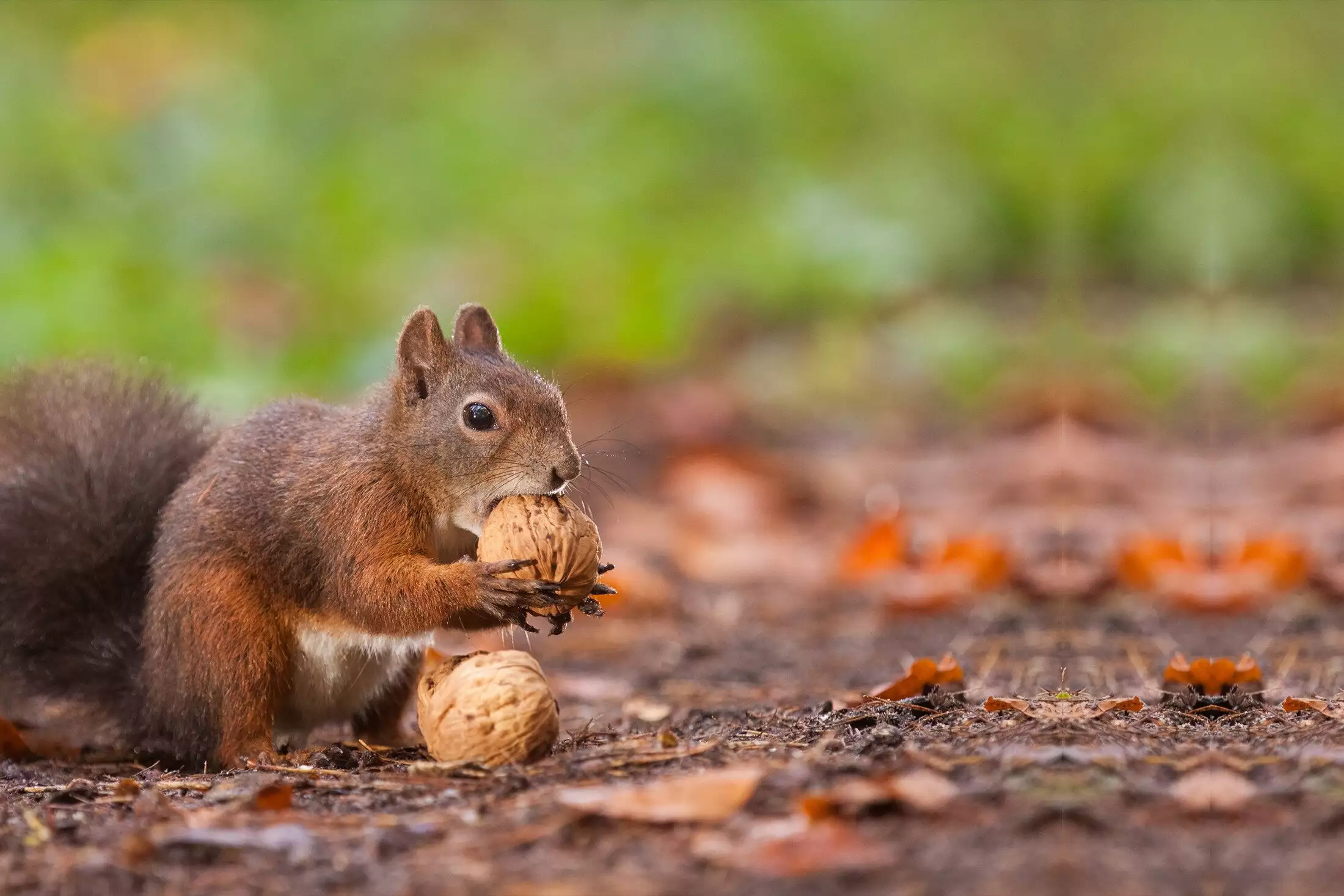
Deterrents do not repair an active entry point
Do Squirrel Repellents Really Work?
Some deterrents may discourage occasional outdoor activity, but repellents usually do not solve an established squirrel problem inside an attic, wall, vent, crawl space or other structure.
Once squirrels have shelter, nesting material, food storage or dependent young inside a building, odors, sound devices, lights and household products are often unreliable. They may temporarily change activity without removing the animals or correcting the opening.
The permanent solution is to identify the species, confirm where squirrels are entering, remove them appropriately and complete exclusion or repair after the structure is clear.
Odor repellents
May create brief avoidance but often lose effectiveness
Ultrasonic devices
Results are inconsistent in attics and wall cavities
Lights and disturbance
May shift activity without removing the squirrels
Exclusion and repair
Correcting the entry point provides the long-term result
Different products have different limitations
Common Squirrel Repellents and Their Limits
Odor-based repellents
Strong smells may cause short-term avoidance, but squirrels can become accustomed to them or move deeper into the structure.
Ultrasonic and sound devices
Sound devices may not reach enclosed wall or soffit spaces, and results are inconsistent in occupied structures.
Bright lights and disturbance
Temporary disturbance may alter activity but does not account for young, multiple animals or hidden entry points.
Taste or surface deterrents
These may help protect selected outdoor surfaces, but they do not remove squirrels already using an attic or wall cavity.
Recurring Activity
Squirrels that return after repellents are used may still have access to shelter inside the structure.
Activity Moves Elsewhere
Deterrents can shift squirrels into another attic, soffit or wall area without solving the problem.
Structural Entry Remains
Repellents do not repair damaged vents, soffits, fascia or roof openings.
Repellents can create a false sense that the problem is gone
Young Squirrels May Remain Behind
A female squirrel may leave temporarily while dependent young remain concealed in insulation, soffits or wall cavities.
Before relying on a deterrent or sealing an opening, review the warning signs and timing considerations for baby squirrels in attics and walls.
Repellents may drive the adult away from one area without removing the young or correcting the opening. The adult may then damage another part of the structure while trying to return.
The season, sound location, entry point and nesting evidence should be evaluated before relying on any deterrent.
Helpful details for a squirrel-repellent question
- The complete Virginia service address
- Where squirrels are seen or heard
- Whether activity occurs inside or outside
- Which deterrents have already been tried
- Any visible soffit, fascia, vent or roof damage
- Whether young may be present
Call: (804) 457-2883
Hours: Mon–Fri 6 a.m.–6 p.m.
Sat–Sun 6 a.m.–noon
Determine whether the problem is outdoor activity or structural entry
How a Squirrel Repellent Problem Is Evaluated
- Identify where the activity occurs. Yard, roof, attic, wall, vent and crawl-space problems require different responses.
- Look for an active entry point. Soffits, fascia, vents, roof edges and building transitions are evaluated where safely accessible.
- Check for young and connected spaces. Repellents should not be used as a substitute for confirming whether animals remain inside.
- Select an appropriate removal method. Trapping, direct removal, one-way devices or another method may be needed for structural problems.
- Complete exclusion after the structure is clear. Entry-point correction provides the long-term result repellents cannot.
Long-term control comes from correcting access
Removal and Exclusion Work Better Than Repellents Alone
When squirrels are already inside a building, the most dependable plan is to remove them, confirm the structure is clear and repair the active opening.
Available work may include trapping, direct removal, one-way devices, limited wildlife-related repair, securing appropriate vulnerabilities and addressing accessible nesting material or droppings when conditions warrant it.
For help identifying contamination and deciding what cleanup may be appropriate, review our information on squirrel droppings identification and cleanup.
Repellents may still have a limited role around gardens, feeders or selected outdoor surfaces, but they should not replace structural inspection and exclusion.
When professional service is appropriate
- Squirrels are inside an attic, wall or vent
- Repellents have not stopped recurring activity
- Young may be present
- There is visible roof or soffit damage
- Sounds continue after a deterrent is used
- The entry point is high or difficult to access
The goal is to solve the building problem rather than repeatedly apply products that do not correct the entry route.
Related squirrel-removal information
Squirrel Repellent and Service Links
- Virginia squirrel removal
- Squirrels in attics
- Squirrels in walls
- Squirrels in homes
- Squirrel in vent
- Professional squirrel trapping
- Squirrel damage and repairs
- Squirrel removal cost
- All wildlife-removal services
Describe which repellents were tried, where they were placed and whether activity changed or simply moved to another part of the structure.
Quick answers
Questions about squirrel repellents
Squirrel Repellent FAQ
What is the best squirrel repellent?
No single product works reliably in every situation. Outdoor deterrents may help temporarily, but established structural problems usually require removal and exclusion.
Do mothballs repel squirrels?
Mothballs are not a dependable solution for squirrels in attics or walls and should not be used contrary to label directions.
Do ultrasonic devices keep squirrels out of attics?
Results are inconsistent. Sound may not reach hidden cavities, and squirrels can become accustomed to the device or move elsewhere in the structure.
Will bright lights make squirrels leave?
Temporary disturbance may alter activity, but it does not account for dependent young, multiple animals or the entry point.
Can repellents make squirrels move deeper into the house?
Yes. A deterrent placed near one area may shift activity into another attic, soffit or wall space without removing the animals.
Can I seal the hole after using a repellent?
Only after the structure is confirmed clear. Squirrels or young may still be inside even if activity briefly decreases.
When should I call a professional?
Professional service is appropriate when squirrels are inside a structure, damage is visible, repellents fail, young may be present or the entry point is difficult to access.
How much does professional squirrel removal cost?
Cost depends on species, access, young, number of entry points, removal method, exclusion, repairs and cleanup.
Request Squirrel Removal and Exclusion Service
Please complete our contact form below:
Include the Virginia service address, where squirrels are seen or heard, whether activity is inside or outside, deterrents already tried, visible damage and safe photographs when available. For an immediate conversation during normal business hours, call (804) 457-2883.
Virginia Professional Wildlife Removal Services, LLC • (804) 457-2883 • vawildlifepro@gmail.com