Gray and flying squirrel service for Goochland County properties
Squirrel Removal in Goochland County, Virginia
Inspection, trapping, exclusion and repair options for squirrel activity in attics, rooflines, soffits, walls and outbuildings.
Licensed and insured • Locally owned • Serving Virginia since 2008
Start with the timing and location
Squirrel Problems in Goochland Homes and Outbuildings
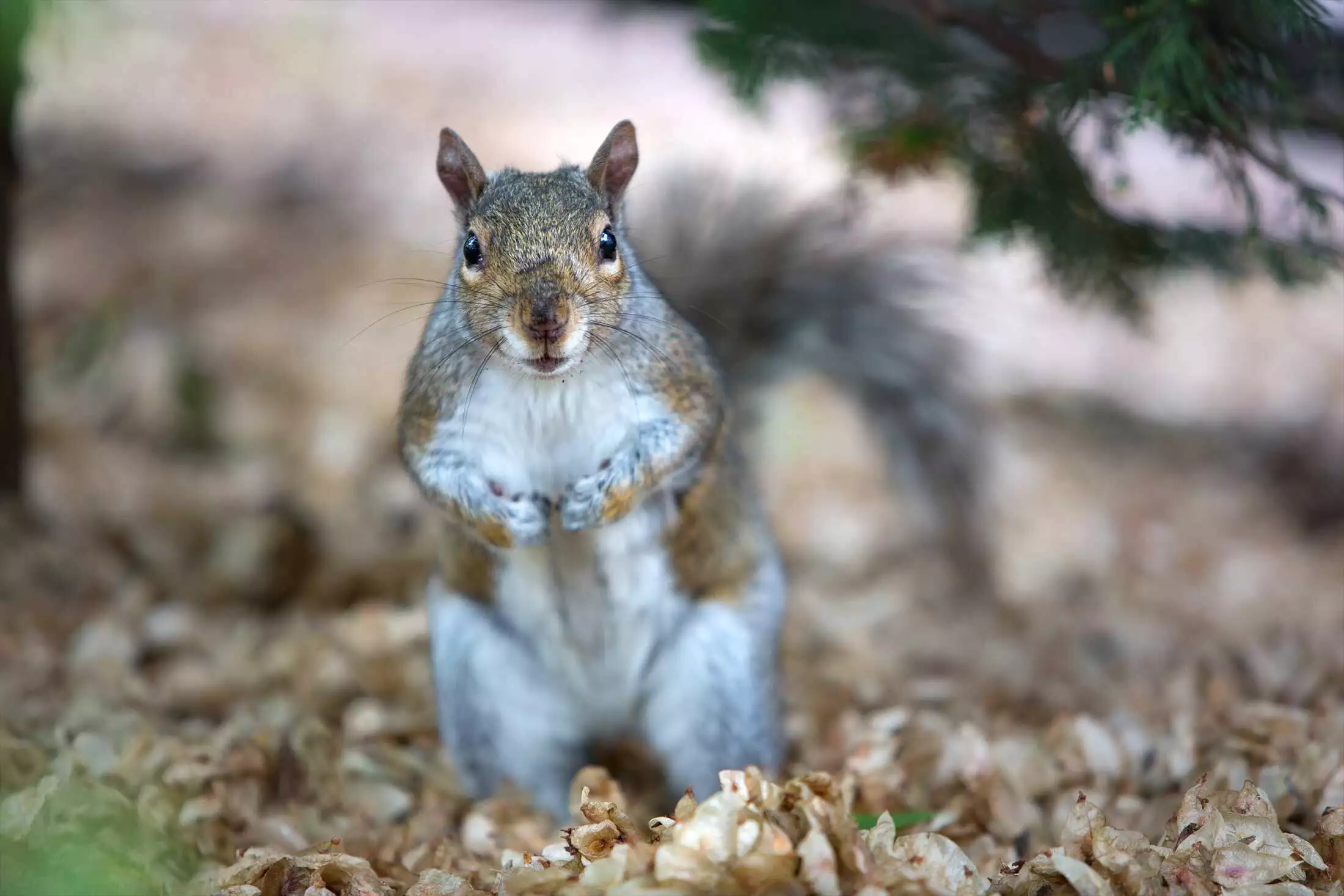
Goochland County has wooded lots, older homes, long rooflines, detached garages, barns, sheds and additions that create many possible entry points. Gray squirrels commonly use roof returns, soffit corners, fascia gaps and damaged vents. Southern flying squirrels can enter much smaller openings and are often heard after dark.
Tell us when the activity occurs, where it is loudest and whether you can see chewing, nesting material or an exterior opening. Those details help separate squirrel activity from birds, bats, rats or another wildlife problem.
Daytime activity
Often associated with gray squirrels
Nighttime movement
May indicate flying squirrels
Entry-point repairs
Roofline, soffit and vent work
Attic cleanup options
When droppings or nesting are present
Common Goochland squirrel calls
Where Squirrels Enter and What They Can Damage
The service plan depends on the species, the building and the way the animal entered. A gray squirrel in a finished attic may require a different approach from flying squirrels in an older wall cavity or squirrels nesting in a barn loft.
Attics, Soffits and Roof Returns
Gray squirrels may use chewed boards, damaged vents, fascia gaps and roof intersections to reach the attic.
Daytime Running and Chewing
Fast movement or chewing during daylight often points toward gray squirrel activity.
Nighttime Flying Squirrel Activity
Light, rapid movement after dark may indicate southern flying squirrels using small construction gaps.
Local service intake
Tell Us What Is Happening at the Goochland Property
Share the type of structure, the location of the activity and the time of day. Safe photos of roof edges, vents, soffits or visible chewing can help us understand the situation before scheduling.
Helpful details for a squirrel service call
- The full service address and type of building
- Whether the noise occurs during daylight or after dark
- The room, attic area, wall or outbuilding where it is loudest
- Any visible roof, soffit, fascia or vent damage
- Whether the problem is new or has returned
Call: (804) 457-2883
Hours: Mon–Fri 6 a.m.–6 p.m.
Sat–Sun 6 a.m.–noon
What to watch and hear
Signs of Gray Squirrels and Flying Squirrels
Gray squirrels are generally active during the day, especially in the morning and late afternoon. Flying squirrels are nocturnal and often create lighter, rapid movement after dark. Chewed wood, enlarged openings, droppings, nesting material and disturbed insulation can support the diagnosis.
One clue alone is not enough. The timing, sound, entry size and type of damage should be considered together.
Young squirrels and safe work
Do Not Seal the Opening Before the Site Is Checked
A female squirrel may have young inside an attic, soffit or wall. Sealing too soon can trap animals inside, separate the mother from young or push the squirrels deeper into the structure.
Before sealing an opening, review the warning signs and timing considerations for baby squirrels in attics and walls.
Removal or exclusion should come before permanent closure. The correct sequence depends on species, season, access and evidence found at the site.
Safe steps before the appointment
- Note the time and location of the noise
- Look for exterior openings from the ground
- Take photos only from a safe location
- Do not block the opening
- Do not handle a squirrel, nest or droppings
A plan based on the building
How Goochland Squirrel Removal Is Approached
A squirrel in a modern attic, an older farmhouse, a barn loft or a detached garage may require a different plan. We evaluate the structure, access, animal behavior and repair conditions before recommending work.
1. Confirm the Species
We compare timing, sounds, droppings, damage and entry size to distinguish gray squirrels, flying squirrels and other animals.
2. Inspect the Structure
We examine roof edges, soffits, vents, fascia, additions, garages, barns and other likely access points.
3. Remove or Exclude the Squirrels
The method depends on species, season, young-animal risk, structure and safe access.
4. Repair and Reduce Recurrence
We explain repair priorities and any reachable nesting, droppings or insulation concerns.
The time of activity is an important clue
Gray Squirrels and Flying Squirrels Need Different Plans
Gray squirrels: Usually active during daylight. They may chew larger openings around roof edges, fascia, soffits and vents.
Flying squirrels: Usually active at night. They may use much smaller construction gaps and can live in groups inside attics or wall spaces. When nighttime activity or several small entry gaps point to this species, review our information on flying squirrel removal and exclusion.
After the active squirrels are gone
Exclusion, Repairs and Attic Conditions
Common access points include roof returns, soffit intersections, fascia gaps, damaged louver vents, ridge openings and areas where additions or porches meet the main structure.
Squirrels may leave nesting material, droppings, urine staining, chewed wood or damaged insulation. We can explain what is reachable, what should be removed and whether cleanup or insulation work is appropriate.
For help identifying contamination and deciding what cleanup may be appropriate, review our information on squirrel droppings identification and cleanup. If the odor source is a dead animal rather than active squirrel waste, see our dead-animal and odor-source removal service.
Work that may follow squirrel removal
- Repair a damaged vent, soffit or fascia area
- Close the confirmed entry after all squirrels are out
- Address nearby weak points when appropriate
- Remove reachable nesting material or waste
- Discuss insulation damage and cleanup needs
Related service information
Goochland Squirrel and Wildlife Links
Questions from Goochland property owners
Frequently Asked Questions About Squirrel Removal in Goochland County
How can I tell a gray squirrel from a flying squirrel?
Gray squirrels are generally active during daylight hours. Flying squirrels are nocturnal and often create lighter, rapid movement after dark. Inspection is still important because rats, mice and other animals can make similar sounds.
Where do squirrels commonly enter Goochland County homes?
Common areas include roof returns, soffit intersections, fascia gaps, damaged vents, additions and other construction gaps. Mature trees and wooded lots can give squirrels easy access to the roof.
Should I close the squirrel opening as soon as I find it?
No. The active animals and the possibility of dependent young should be evaluated first. Premature closure can trap squirrels inside or force them into another part of the structure.
Do you remove squirrels from barns, sheds and detached garages?
Yes. Qualifying squirrel problems may be evaluated in accessible barns, detached garages, sheds and other outbuildings when the structure and safe access allow.
Can squirrels damage wiring, insulation, soffits or vents?
Yes. Squirrels may chew wiring, wood, vents, soffits and fascia, disturb insulation, build nests and leave droppings or urine staining. The amount of damage depends on where they entered and how long they have been present.
What Goochland County communities do you serve?
Service is available in Goochland, Manakin-Sabot, Maidens, Oilville, Sandy Hook, Crozier, Hadensville and surrounding Goochland County communities, subject to the animal, property, access and current scheduling.
Request squirrel service
Tell Us When and Where You Hear the Activity
Please complete our contact form below:
Include the full address, type of building, time of day, where the sounds are loudest and any safe photos of roofline openings or damage.
Virginia Professional Wildlife Removal Services, LLC • (804) 457-2883 • vawildlifepro@gmail.com