Gray and flying squirrel service for Charlottesville properties
Charlottesville Squirrel Removal
Inspection, removal, exclusion and repair options for squirrel activity in attics, soffits, walls, vents, additions and rental properties.
Licensed and insured • Locally owned • Serving Virginia since 2008
Older homes, rentals and mature-tree neighborhoods
Squirrel Problems in Charlottesville Buildings
Charlottesville includes older in-town homes, rental properties, additions, detached garages and buildings with mixed rooflines. Mature trees and connected roof features can give squirrels access to soffits, fascia, vents, dormers and attic spaces.
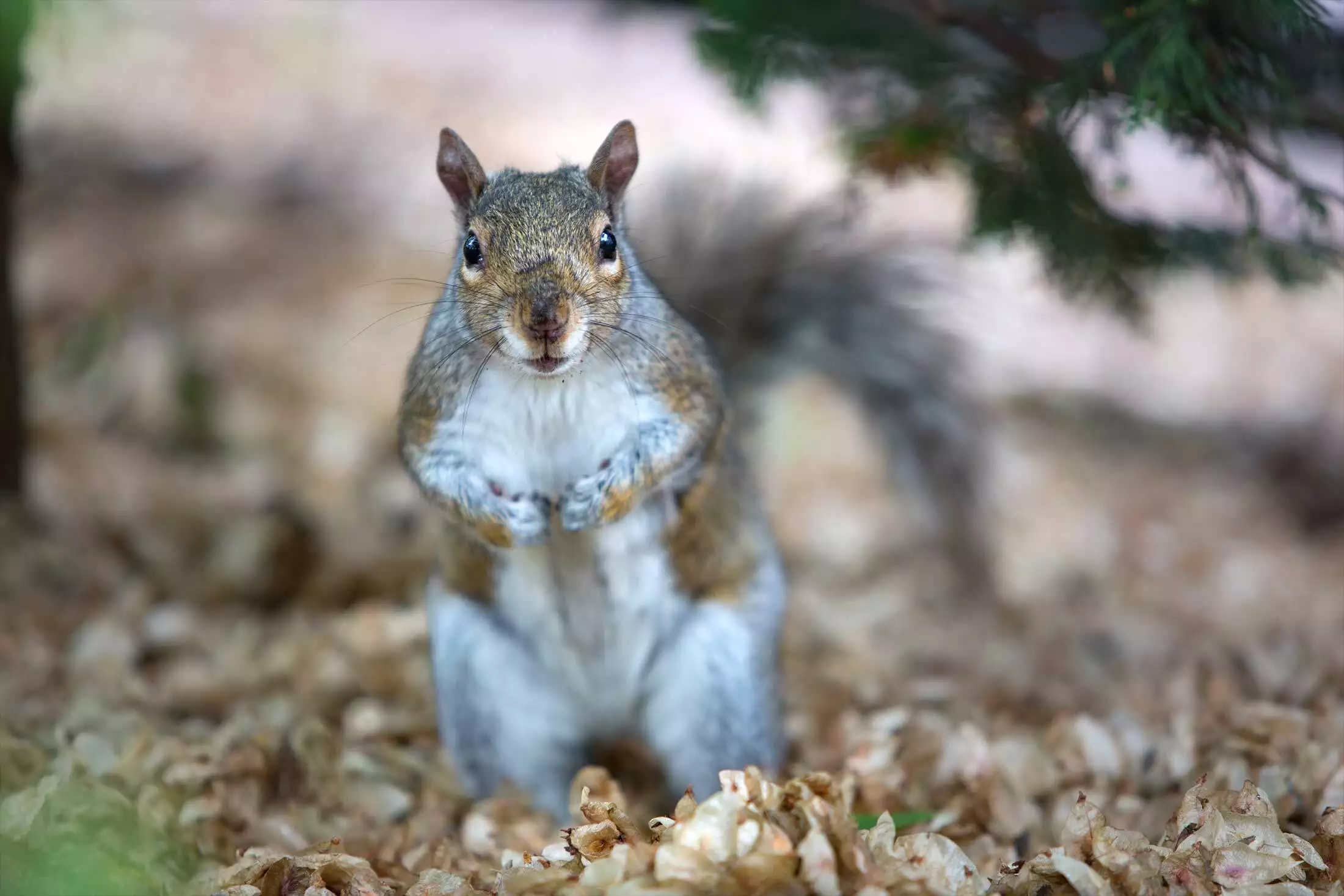
Gray squirrels are usually active during daylight hours and may chew larger openings. Southern flying squirrels are normally active after dark and can use much smaller construction gaps. The timing of the noise is an important clue, but inspection is needed because sounds can travel through older homes and multi-unit buildings.
Service is available in Charlottesville and nearby communities including Pantops, Earlysville, Crozet, Keswick and North Garden.
Different species, different activity patterns
Gray Squirrels and Flying Squirrels
Gray squirrels
Usually active during the day. Common signs include running, rolling, chewing and nesting sounds in attics or roof areas.
Flying squirrels
Usually active at night. Their smaller size allows them to use narrow roofline and construction gaps, and more than one flying squirrel may occupy the same attic.
Helpful details for a service request
Tell us:
- Whether the sounds occur during the day or after dark
- The room, attic area or wall where activity is loudest
- Whether you see a damaged vent, soffit, fascia or roof opening
- Whether the property is owner-occupied, rented or professionally managed
- Whether young squirrels may be present
What property owners commonly notice
Signs of Squirrel Activity
Noise in the attic or walls
Daytime running or chewing often suggests gray squirrels. Lighter nighttime movement may indicate flying squirrels, although mice and rats can create similar sounds.
Chewed or widened openings
Squirrels may enlarge weak areas around soffits, vents, fascia and roof intersections. Older additions and repaired rooflines can contain concealed gaps.
Nesting material, droppings or disturbed insulation
Squirrel activity may leave nesting debris, droppings, urine staining, chewed wood or displaced insulation. The amount of cleanup depends on access and the condition of the affected area.
Activity in rentals and managed buildings
Charlottesville rental properties may require coordinated access, tenant communication and authorization before inspection, removal or repair work can proceed.
A plan based on species, timing and structure
How Charlottesville Squirrel Removal Is Evaluated
- Identify the likely species. Activity time, sound, droppings, damage and opening size help distinguish gray squirrels, flying squirrels and other attic animals.
- Inspect the building. Roof edges, soffits, vents, additions, wall areas, attached garages and safe interior access are reviewed.
- Account for young squirrels. Sealing an active opening too early can trap animals or separate a female from dependent young.
- Remove or exclude the squirrels. The method depends on the species, season, building and access.
- Repair confirmed entry points. Exclusion and repair recommendations focus on openings actually used or identified as vulnerable.
After the active squirrels are out
Repairs, Exclusion and Attic Conditions
Work recommended after removal depends on the confirmed entry point, accessible damage and the condition of the attic or wall area.
- Repair confirmed vent, soffit, fascia or roofline openings
- Address nearby vulnerable gaps when appropriate
- Remove reachable nesting material or waste
- Discuss insulation or chewed-wiring concerns
- Coordinate work with landlords or property managers
Do not seal the opening first
One visible opening does not always mean one squirrel. Young may be inside, and flying squirrels may use several small gaps. Closing an active opening too early can trap animals or move them deeper into the building.
The proper order is identification, removal or exclusion, confirmation that the squirrels are out, and then permanent repair.
Related Charlottesville service information
Charlottesville Squirrel and Wildlife Links
Questions from Charlottesville property owners
Charlottesville Squirrel Removal FAQ
How can I tell a gray squirrel from a flying squirrel?
Yes. Flying squirrels can use very small construction gaps, while gray squirrels may enlarge weak areas by chewing.
Should I seal the opening as soon as I find it?
Yes. Service can be coordinated when property access, tenant communication and authorization are properly arranged.
Can you repair squirrel entry damage?
Squirrels may chew wood or wiring, disturb insulation, build nests and leave droppings or urine staining.
Do you serve nearby Albemarle County communities?
Include the full address, property type, time of activity, where the sounds are loudest and any safe photographs of roofline openings or damage.
Request service
Request squirrel service in Charlottesville
Please complete our contact form below:
Include as much detail as possible. For an immediate conversation during normal business hours, call (804) 457-2883.
Virginia Professional Wildlife Removal Services, LLC • (804) 457-2883 • vawildlifepro@gmail.com