
Virginia squirrel species, behavior and building-entry identification
Types of Squirrels in Virginia
Learn how gray squirrels, flying squirrels, red squirrels and fox squirrels differ in appearance, activity and building-entry behavior.
Licensed and insured • Locally owned • Serving Virginia since 2008
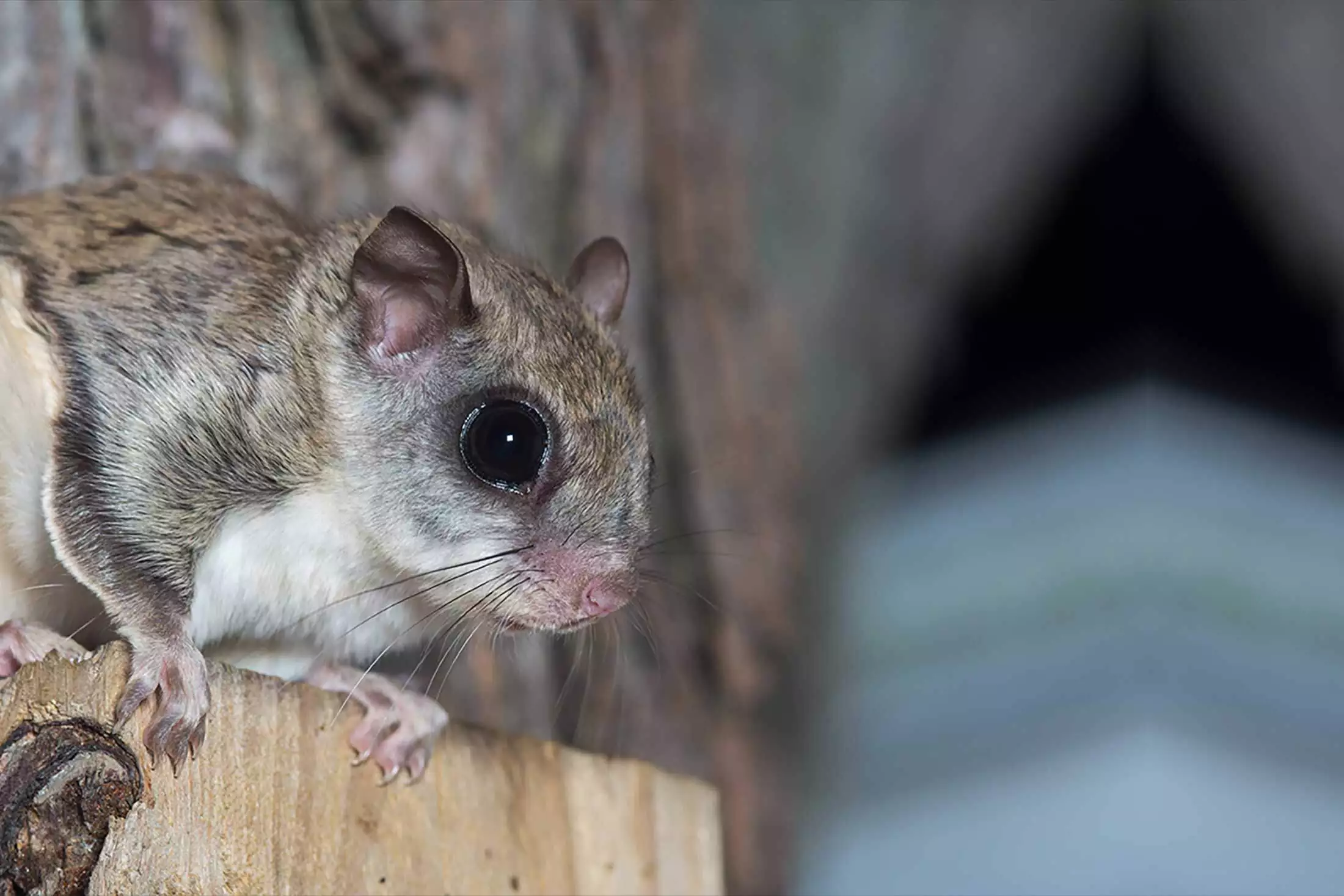
Species identification helps define the removal plan
Which Types of Squirrels Are Found in Virginia?
Several squirrel species may be seen in Virginia, but Eastern gray squirrels and southern flying squirrels are the species most often associated with attics, walls and other structural spaces.
Fox squirrels and red squirrels may also be encountered in parts of the state, although their range, habitat and building-entry patterns are different.
Correct identification matters because body size, activity time, entry-gap size, nesting habits and group behavior can affect the inspection, removal and exclusion plan.
Eastern gray squirrel
Medium-sized, bushy-tailed and active during daylight
Southern flying squirrel
Small, nocturnal and capable of gliding
Fox squirrel
Larger-bodied with variable gray, brown or reddish color
Red squirrel
Smaller and often reddish or rusty in color
Appearance and activity are both useful clues
Common Virginia Squirrel Species
Eastern gray squirrel
Gray squirrels are medium-sized tree squirrels with gray, brown or occasionally black fur and a large bushy tail. They are active during daylight and may enter attics through soffits, fascia, vents and roof edges.
Southern flying squirrel
Flying squirrels are smaller, nocturnal and have a loose skin membrane between the front and rear legs that allows them to glide. They can use narrow gaps and may occupy attics in groups.
Fox squirrel
Fox squirrels are larger-bodied tree squirrels with variable gray, brown, reddish or black coloring. They are generally associated with open woods and mature trees.
Red squirrel
Red squirrels are smaller and often reddish or rusty in color. They are more strongly associated with coniferous or forested areas and are less common in many Virginia service situations.
Daytime Tree Squirrels
Gray, fox and red squirrels are generally active during daylight.
Nighttime Flying Squirrels
Flying squirrels are nocturnal and may be heard moving after dark.
Entry-Point Differences
Species and entry-gap size affect removal and exclusion planning.
Sound timing and entry size help distinguish species
Gray Squirrels and Flying Squirrels Behave Differently
Heavy running, rolling or chewing during daylight often points toward gray squirrels. Lighter scratching or movement after dark may suggest flying squirrels.
Gray squirrels usually use larger roofline openings, while flying squirrels can enter through narrow construction gaps and may use more than one opening.
Because sound can travel through walls and framing, final identification should also consider squirrel droppings and related evidence, nesting material, tracks, exterior sightings and entry damage.
Helpful details for a squirrel-identification request
- The complete Virginia service address
- Whether the animal was seen during the day or at night
- Approximate size and fur color
- Where sounds or sightings occur
- Any visible roof, soffit or vent opening
- Safe photographs of the animal or damage
Call: (804) 457-2883
Hours: Mon–Fri 6 a.m.–6 p.m.
Sat–Sun 6 a.m.–noon
Identification, entry-point inspection and service planning
How Squirrel Species Are Identified
- Review appearance. Size, fur color, tail shape, eyes and the presence of a gliding membrane can help narrow the species.
- Consider activity timing. Daytime activity supports gray, fox or red squirrel identification; nighttime activity may indicate flying squirrels.
- Inspect structural signs. Entry size, gnawing, droppings, nesting material and travel routes provide additional evidence.
- Evaluate connected spaces. Attics, walls, soffits and vents may show where the animals are living or moving.
- Match the removal plan to the species. Group size, young, access and entry points affect trapping, exclusion and follow-up.
Species-specific inspection supports better results
Why Species Identification Matters for Removal
A gray squirrel using one larger roof opening may require a different plan from a flying-squirrel group entering through several narrow gaps.
Available work may include trapping, direct removal, one-way devices, limited wildlife-related repair, exclusion and cleanup after the structure is confirmed clear.
For more detail about chewed soffits, damaged vents, fascia, insulation and repair considerations, review our information on squirrel damage inspection and repair.
The species, season, presence of young, den location and building access should be considered before permanent repairs are completed.
Before sealing an opening, review the warning signs and timing considerations for baby squirrels in attics and walls.
Identification clues commonly evaluated
- Body size and fur color
- Tail size and shape
- Daytime versus nighttime activity
- Entry-gap size and location
- Droppings, tracks and nesting material
- Single-animal versus group activity
One clue alone may not confirm the species; the full pattern is more reliable.
Related squirrel identification and removal information
Types of Squirrels and Service Links
- What does a squirrel look like?
- Virginia squirrel removal
- Flying squirrel removal
- Squirrels in attics
- Squirrels in walls
- Professional squirrel trapping
- Squirrel removal cost
- All wildlife-removal services
Safe photographs, activity timing and visible entry damage can make the first identification discussion more useful.
Quick answers
Questions about squirrel species
Types of Squirrels FAQ
What types of squirrels are common in Virginia?
Eastern gray squirrels and southern flying squirrels are the species most often associated with structures. Fox squirrels and red squirrels may also be encountered in parts of the state.
How can I tell a gray squirrel from a flying squirrel?
Gray squirrels are larger and active during daylight. Flying squirrels are smaller, nocturnal and have a gliding membrane between the front and rear legs.
Are black squirrels a separate species?
Black squirrels are commonly a dark color variation of the Eastern gray squirrel rather than a separate species.
Do fox squirrels enter attics?
They can, but gray squirrels and flying squirrels are more frequently associated with building-entry service calls in Virginia.
What time of day are squirrels active?
Gray, fox and red squirrels are generally active during daylight. Flying squirrels are active after dark.
Which squirrels live in groups?
Flying squirrels may occupy an attic in groups, while gray squirrels are more often encountered as individuals or females with young.
Why does species identification matter?
Species affects activity timing, entry-gap size, group behavior, removal method, monitoring and exclusion work.
Can photographs identify the species?
Photographs can help, but sound timing, entry points, droppings, nesting material and other evidence may still be needed.
Request Squirrel Identification and Removal Service
Please complete our contact form below:
Include the Virginia service address, when the animal is active, its approximate size and color, where sounds or sightings occur, visible entry damage and safe photographs when available. For an immediate conversation during normal business hours, call (804) 457-2883.
Virginia Professional Wildlife Removal Services, LLC • (804) 457-2883 • vawildlifepro@gmail.com