Inspection, exclusion and repair planning for squirrel damage
Squirrel Damage Inspection and Repair
Professional help identifying squirrel damage to soffits, fascia, vents, roofs, wiring, insulation and other parts of Virginia homes and buildings.
Licensed and insured • Locally owned • Serving Virginia since 2008
Chewing, nesting and entry damage can affect several building systems
Common Types of Squirrel Damage
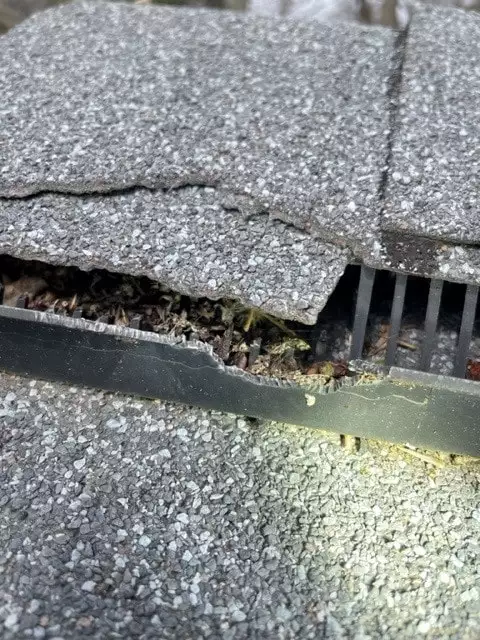
Squirrels can damage soffits, fascia, roof edges, vents, siding and trim while creating or enlarging an entry point. Once inside, they may disturb insulation, gnaw wood or wiring, move stored materials and contaminate nesting areas with droppings and urine.
Damage is not always limited to the visible opening. A small exterior gap may connect to a larger attic, wall or soffit problem, and repeated chewing may create additional routes into the structure.
The first priority is to determine whether squirrels are still present. Repairs should follow removal and confirmation that the den area is clear.
Roofline damage
Chewed soffits, fascia and roof edges can expose the structure
Vent damage
Loose screens, louvers and frames may become entry points
Interior damage
Insulation, wood, wiring and stored materials may be affected
Cleanup needs
Nesting material, droppings and urine may remain after removal
The location and material determine the repair plan
Where Squirrels Commonly Cause Damage
Soffits, fascia and roof edges
Squirrels may chew wood, vinyl, aluminum or trim materials to enlarge a vulnerable opening near the roofline.
Vents and screens
Gable vents, roof vents, ridge vents and attic fans may have damaged louvers, screens, frames or surrounding materials.
Wiring and wood
Gnawing can affect accessible wiring, framing, stored materials and other items in attics, walls or crawl spaces.
Insulation and nesting areas
Insulation may be compressed, shredded or contaminated by nesting material, droppings and urine.
Fresh Chewing or Damage
New gnaw marks, displaced materials or repeated entry can indicate active squirrels.
Hidden Interior Damage
Attics, soffits, walls and insulation may contain damage beyond the visible opening.
Repair After Removal
The structure should be confirmed clear before exclusion and repair are completed.
Premature repairs can create more damage
Do Not Repair the Opening Before the Squirrels Are Out
Closing an active entry point while squirrels or dependent young remain inside can trap animals, create odor or cause the adult to chew through another part of the building.
A female may continue trying to reach a hidden litter, sometimes damaging new materials or adjacent roof and soffit areas.
The removal sequence should be completed first, followed by confirmation that the structure is clear and then the appropriate exclusion or repair work.
Helpful details for a squirrel-damage request
- The complete Virginia service address
- Where the damage is located
- Whether squirrels are still seen or heard
- Any visible chewing, loose screening or damaged trim
- Whether wiring, insulation or stored materials are affected
- Safe photographs of the damage and surrounding structure
Call: (804) 457-2883
Hours: Mon–Fri 6 a.m.–6 p.m.
Sat–Sun 6 a.m.–noon
Animal activity, entry points and repair scope
How Squirrel Damage Is Evaluated
- Confirm whether squirrels are still active. Sounds, sightings, droppings and fresh chewing help determine whether removal is still needed.
- Inspect the visible damage and entry route. Soffits, fascia, vents, roof edges, siding and building transitions are evaluated where safely accessible.
- Check connected interior areas. Attics, walls, soffits and insulation may contain additional damage or nesting material.
- Complete removal before repair. The animal situation and possible young must be resolved first.
- Define the repair and exclusion scope. Limited wildlife-related repairs, screening and entry-point correction can then be planned.
The repair should address the cause, not only the visible hole
Squirrel Exclusion and Repair Options
Available work may include repairing limited wildlife-related damage, replacing or reinforcing screening, closing confirmed entry points and securing appropriate related vulnerabilities.
Cleanup may also be considered when nesting material, droppings, urine or damaged insulation are accessible and the active squirrel problem has been resolved.
Electrical, roofing, plumbing, siding, insulation or major structural work may require the appropriate licensed trade or a separately defined restoration scope.
Damage areas commonly evaluated
- Soffits, fascia and roof returns
- Gable vents, roof vents and attic fans
- Roof edges and chimney transitions
- Siding, trim and attached additions
- Attic insulation and nesting areas
- Accessible wood, wiring and stored materials
The final scope depends on access, material type, animal activity and whether a licensed trade is needed.
Related squirrel-removal and repair information
Squirrel Damage and Service Links
- Virginia squirrel removal
- Squirrels in attics
- Squirrels in walls
- Squirrels in homes
- Squirrel in vent
- Professional squirrel trapping
- Squirrel droppings and cleanup
- Squirrel removal cost
- All wildlife-removal services
Wide photographs showing both the damage and surrounding roofline or wall area are especially useful when requesting service.
Quick answers
Questions about squirrel damage
Squirrel Damage FAQ
What damage do squirrels cause to homes?
Squirrels may chew soffits, fascia, vents, roof edges, siding, trim, wood, wiring and stored materials. They may also disturb insulation and contaminate nesting areas.
Can squirrels damage electrical wiring?
Yes. Squirrels may gnaw accessible wiring. Any suspected electrical damage should be evaluated by the appropriate licensed professional.
Should I repair the hole while squirrels are still inside?
No. Repairs should follow removal and confirmation that the structure is clear so animals or young are not trapped inside.
Can squirrels damage attic insulation?
Yes. Insulation may be compressed, shredded, moved for nesting or contaminated by droppings and urine.
Do you repair squirrel-damaged soffits and vents?
Limited wildlife-related repairs and exclusion options may be available after the active animal problem is resolved.
Does all squirrel damage require a complete roof repair?
No. The scope depends on the material, access and extent of damage. Some repairs are limited, while major roofing work may require a roofing contractor.
Can squirrels cause damage after an opening is sealed?
Yes. If animals or young remain inside, an adult may chew through another area while trying to escape or return.
How much does squirrel damage repair cost?
Cost depends on access, material type, extent of damage, active removal, number of entry points, cleanup and whether a licensed trade is required.
Request Squirrel Damage Inspection and Repair Service
Please complete our contact form below:
Include the Virginia service address, where the damage is located, whether squirrels are still active, affected materials and safe photographs when available. For an immediate conversation during normal business hours, call (804) 457-2883.
Virginia Professional Wildlife Removal Services, LLC • (804) 457-2883 • vawildlifepro@gmail.com