Inspection and removal for squirrels entering roof and gable vents
Squirrel in Vent Removal and Exclusion
Professional help with squirrels entering gable vents, roof vents, ridge vents and connected attic spaces throughout Virginia.
Licensed and insured • Locally owned • Serving Virginia since 2008
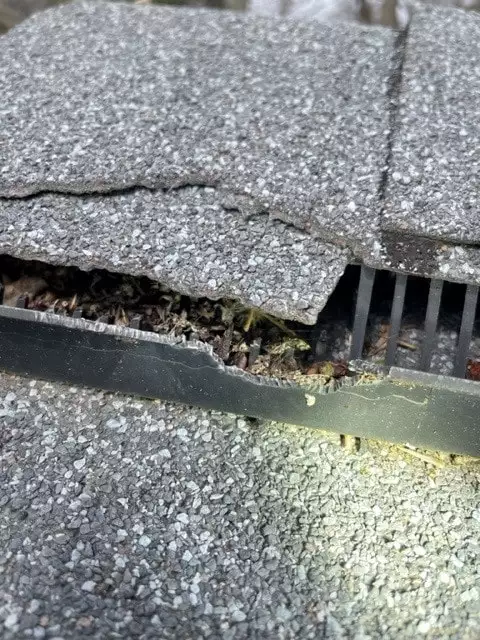
Vent damage can provide direct access to attic space
How Squirrels Enter Vents
Squirrels may use damaged gable vents, roof vents, ridge vents, attic fans and louvered openings to reach an attic or roof cavity. They can exploit missing screening, loose louvers, deteriorated materials or an existing gap and may enlarge the opening by chewing.
Repeated exterior travel, gnaw marks, displaced screening, scratching behind the vent and nesting material inside the connected attic can all indicate active use.
The vent itself may be the entry point, but the full attic and roofline should still be evaluated because squirrels may use more than one opening or move into soffits and wall-adjacent spaces.
Gable vent entry
Damaged louvers or missing screens can expose the attic
Roof and ridge vents
Chewing may enlarge flexible or damaged materials
Attic fan openings
Loose housings and screening may allow entry
Connected attic space
Nests, young and droppings may be behind the vent
Different vent types create different access problems
Vents Commonly Used by Squirrels
Gable vents
Damaged louvers, missing screens and gaps around the frame can allow squirrels into the attic behind an exterior wall.
Roof and ridge vents
Squirrels may chew flexible or deteriorated materials and enter directly through the roof surface or ridge line.
Attic fans and powered vents
Loose screening, damaged housings or gaps around the unit can create access to the attic.
Plumbing-stack and utility penetrations
Chewed flashing or gaps near roof penetrations may resemble a vent-entry problem and should be checked as part of the roof inspection.
Repeated Vent Entry
Squirrels using the same vent opening may be seen entering during daylight.
Sounds Behind the Vent
Scratching or movement may come from the connected attic or roof cavity.
Chewing and Screen Damage
Gnaw marks, loose louvers and displaced screening can reveal active use.
Do not repair the vent before the attic is checked
Squirrels or Young May Be Behind the Vent
A female squirrel may use the connected attic, soffit or roof cavity as a den. Young can remain hidden while the adult leaves through the vent opening.
Installing new screening or closing the vent too soon can trap animals inside, separate a mother from young or cause additional chewing as the adult tries to return.
The removal plan should account for species, season, nesting evidence, attic access and any additional openings before the vent is repaired.
Helpful details for a squirrel-in-vent call
- The complete Virginia service address
- The type and location of the vent
- Whether squirrels are seen entering or exiting
- Whether sounds occur during the day, at night or both
- Any visible chewing, loose screening or damaged louvers
- Safe photographs of the vent and surrounding roofline
Call: (804) 457-2883
Hours: Mon–Fri 6 a.m.–6 p.m.
Sat–Sun 6 a.m.–noon
Vent inspection, attic evaluation and exclusion planning
How a Squirrel-in-Vent Problem Is Evaluated
- Confirm the active vent. Exterior sightings, gnaw marks, displaced screens and sound location help identify the likely opening.
- Inspect the connected attic or roof space. Tracks, droppings, nesting material and travel routes show whether squirrels are still present.
- Check for additional openings and young. Soffits, fascia, nearby vents and roof transitions may also be involved.
- Perform the agreed removal work. Trapping, direct removal, one-way devices or another method may be used depending on the conditions.
- Repair the vent after the structure is clear. Appropriate screening, vent repair or limited wildlife-related correction can then be completed.
The vent must continue to function after repair
Vent Repair, Screening and Attic Cleanup
Vent exclusion should prevent squirrel entry without blocking necessary airflow or interfering with the vent’s intended function.
Available work may include replacing or reinforcing screening, repairing limited wildlife-related damage, securing appropriate vent edges and addressing accessible nesting material, droppings or affected debris after the animals are removed.
Roofing, electrical, mechanical-ventilation, major carpentry or structural work may require the appropriate licensed trade and may not be included in wildlife-removal service.
Vent areas commonly evaluated
- Gable vents and louvers
- Roof vents and ridge vents
- Powered attic fans
- Vent frames and surrounding trim
- Nearby soffits, fascia and roof returns
- Connected attic insulation and framing
This page concerns squirrels entering structural and attic vents. Birds in dryer and bathroom exhaust vents are a separate service problem.
Related squirrel, attic and vent information
Squirrel in Vent and Service Links
- Virginia squirrel removal
- Squirrels in attics
- Squirrels in homes
- Squirrels in walls
- Professional squirrel trapping
- Squirrel damage and repairs
- Squirrel droppings and cleanup
- Squirrel removal cost
- Birds in dryer and bathroom vents
- All wildlife-removal services
Photographs of the vent from the ground and any visible damage can help with the first service discussion.
Quick answers
Questions about squirrels entering vents
Squirrel in Vent FAQ
What types of vents do squirrels enter?
Squirrels may use gable vents, roof vents, ridge vents, attic fans and damaged openings around vent frames or nearby roof penetrations.
How can I tell whether a squirrel is using a vent?
Repeated exterior sightings, gnaw marks, damaged screening, loose louvers, scratching behind the vent and attic nesting material can indicate active use.
Can a squirrel chew through a roof vent?
Yes. Squirrels may enlarge an existing weakness in flexible, deteriorated or damaged vent materials.
Should I install new screening immediately?
Not before the attic or connected cavity is checked. Squirrels or dependent young may still be inside.
Can squirrels nest behind a gable vent?
Yes. The connected attic, soffit or roof cavity can provide a protected nesting area near the vent opening.
How are squirrels removed from vents?
The method depends on species, access, vent type, attic conditions and presence of young. Trapping, direct removal, one-way devices or another method may be used.
Do you repair squirrel-damaged vents?
Appropriate screening and limited wildlife-related vent repair options may be available after the structure is confirmed clear.
How much does squirrel-in-vent removal cost?
Cost depends on vent type, roof access, species, young, removal method, additional entry points, repair and cleanup.
Request Squirrel-in-Vent Removal Service
Please complete our contact form below:
Include the Virginia service address, vent type and location, whether squirrels are seen entering, when sounds occur, visible chewing or screen damage and safe photographs when available. For an immediate conversation during normal business hours, call (804) 457-2883.
Virginia Professional Wildlife Removal Services, LLC • (804) 457-2883 • vawildlifepro@gmail.com