What works, what fails and how removal, exclusion and repairs solve squirrel problems
How to Get Rid of Squirrels Safely
Learn why repellents and quick fixes often fail, when professional removal is needed and how exclusion prevents squirrels from returning.
Licensed and insured • Locally owned • Serving Virginia since 2008
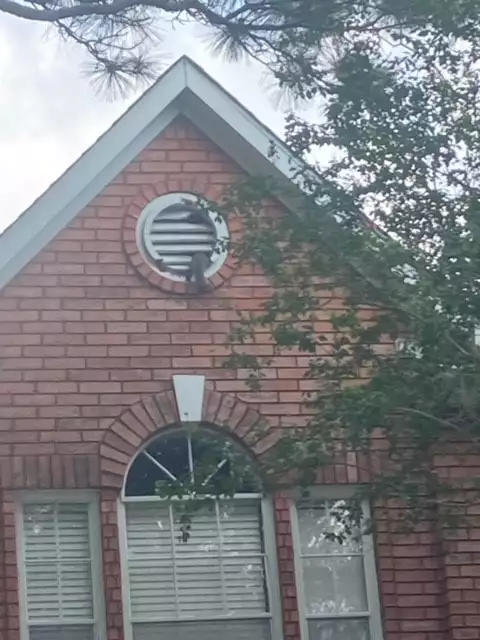
The right solution depends on where the squirrels are living
How Do You Get Rid of Squirrels?
Squirrels in a yard or at a bird feeder are different from squirrels living inside an attic, wall, vent or crawl space. Outdoor deterrence may reduce activity temporarily, but an established structural problem usually requires removal and exclusion.
The first step is to identify the species, active area and entry point. The next step is to remove the animals without trapping adults or dependent young inside.
Permanent results usually come from combining removal with repair or exclusion after the structure is confirmed clear.
Inspect first
Identify species, activity area and entry points before repairs
Remove the squirrels
Use a method matched to access, season and animal activity
Confirm the structure is clear
Monitor activity before closing openings
Complete exclusion
Repair confirmed entry points to prevent re-entry
Repellents and shortcuts rarely solve an established indoor problem
What Works and What Usually Does Not
Professional removal
Trapping, direct removal or one-way devices may be appropriate depending on species, season, access, young and structural conditions.
Entry-point exclusion
Confirmed openings can be repaired or screened after the squirrels are out. This is what prevents another animal from using the same route.
Repellents and ultrasonic devices
Odors, lights, noise and commercial repellents may produce short-term movement but often fail once squirrels have a secure nest or den site.
DIY trapping and relocation
Trapping does not identify all entry points or account for young. It can also create legal, welfare and re-entry problems when done without a complete plan.
Short-Term Deterrents
Repellents may move squirrels temporarily but rarely solve an indoor den.
Removal Method
The plan should match species, access, season and presence of young.
Exclusion and Repair
Permanent results depend on closing confirmed entry points after removal.
Sealing too early can make the problem worse
Do Not Close the Opening Before the Squirrels Are Out
Closing an active opening can trap squirrels inside, separate a mother from young or force animals into walls and occupied rooms.
Before sealing an opening, review the warning signs and timing considerations for baby squirrels in attics and walls.
A blocked squirrel may chew through another section of soffit, fascia, venting or interior material while trying to escape.
The structure should be inspected and confirmed clear before permanent repairs are completed.
Helpful details for a squirrel-removal request
- The complete Virginia service address
- Where sounds or sightings occur
- Whether activity is during the day or at night
- Any visible roof, soffit or vent opening
- Whether young may be present
- Safe photographs of damage or entry points
Call: (804) 457-2883
Hours: Mon–Fri 6 a.m.–6 p.m.
Sat–Sun 6 a.m.–noon
Inspection, removal, monitoring and exclusion
How Professional Squirrel Removal Works
- Inspect the structure. Identify activity areas, likely species, entry points and signs of young.
- Select the removal method. The plan may involve trapping, direct removal, one-way devices or another controlled approach.
- Monitor activity. Confirm that squirrels are no longer using the structure.
- Repair confirmed entry points. Soffits, vents, fascia, roof edges and construction gaps may need limited wildlife-related repair or exclusion.
- Address cleanup or damage. Droppings, nesting material, insulation or other affected areas can be evaluated after removal.
Trapping alone is not the final solution
Removal Must Be Followed by Exclusion
Removing one squirrel does not prevent another from entering through the same opening. A complete plan addresses both the animals and the building defect.
Available follow-up work may include screening vents, closing construction gaps and repairing limited wildlife-related damage after the structure is clear.
Major roofing, electrical, drywall, insulation or structural work may require the appropriate licensed trade.
Signs professional removal may be needed
- Scratching or running inside an attic or wall
- Daytime or nighttime activity near a roof opening
- Chewed soffits, fascia, vents or roof edges
- Repeated re-entry after repellents are used
- Young or nesting material may be present
- A squirrel is trapped inside a room or fireplace
A recurring indoor problem usually requires removal plus exclusion.
Choose the page that matches the squirrel problem
How to Get Rid of Squirrels: Related Service Links
- Virginia squirrel removal
- Squirrels in attics
- Squirrels in walls
- Squirrels in homes
- Squirrel in vent
- Professional squirrel trapping
- Squirrel repellent and deterrents
- Squirrel damage and repairs
- Squirrel removal cost
- All wildlife-removal services
Explain where the squirrels are active and what remedies have already been tried when requesting service.
Quick answers
Questions about getting rid of squirrels
How to Get Rid of Squirrels FAQ
What is the best way to get rid of squirrels?
For squirrels inside a structure, the most reliable approach is inspection, removal, confirmation that the structure is clear and exclusion of entry points.
Do squirrel repellents work?
Repellents may cause temporary movement, but they often fail when squirrels have an established nest or den site.
Do ultrasonic devices get rid of squirrels?
They may change behavior briefly, but they do not remove animals, locate young or repair entry points.
Can I seal the entry hole right away?
No. Sealing an active opening can trap squirrels inside or separate a mother from dependent young.
Will trapping one squirrel solve the problem?
Not necessarily. Other squirrels, young or additional entry points may still be present.
How do professionals remove squirrels?
Depending on the situation, trapping, direct removal, one-way devices or another controlled method may be used.
How do I keep squirrels from returning?
Confirmed entry points should be repaired or screened after the structure is clear.
How much does squirrel removal cost?
Cost depends on species, access, number of animals, young, entry points, repair needs and cleanup.
Request Squirrel Removal and Exclusion Service
Please complete our contact form below:
Include the Virginia service address, where sounds or sightings occur, activity time, visible entry points, suspected young and safe photographs when available. For an immediate conversation during normal business hours, call (804) 457-2883.
Virginia Professional Wildlife Removal Services, LLC • (804) 457-2883 • vawildlifepro@gmail.com