
Baby squirrel sounds, nesting seasons and safe removal from attics and walls
Baby Squirrels in Attics and Walls
Learn when baby squirrels are born, what their sounds mean and why attic or wall openings should not be sealed before the mother and young are removed.
Licensed and insured • Locally owned • Serving Virginia since 2008
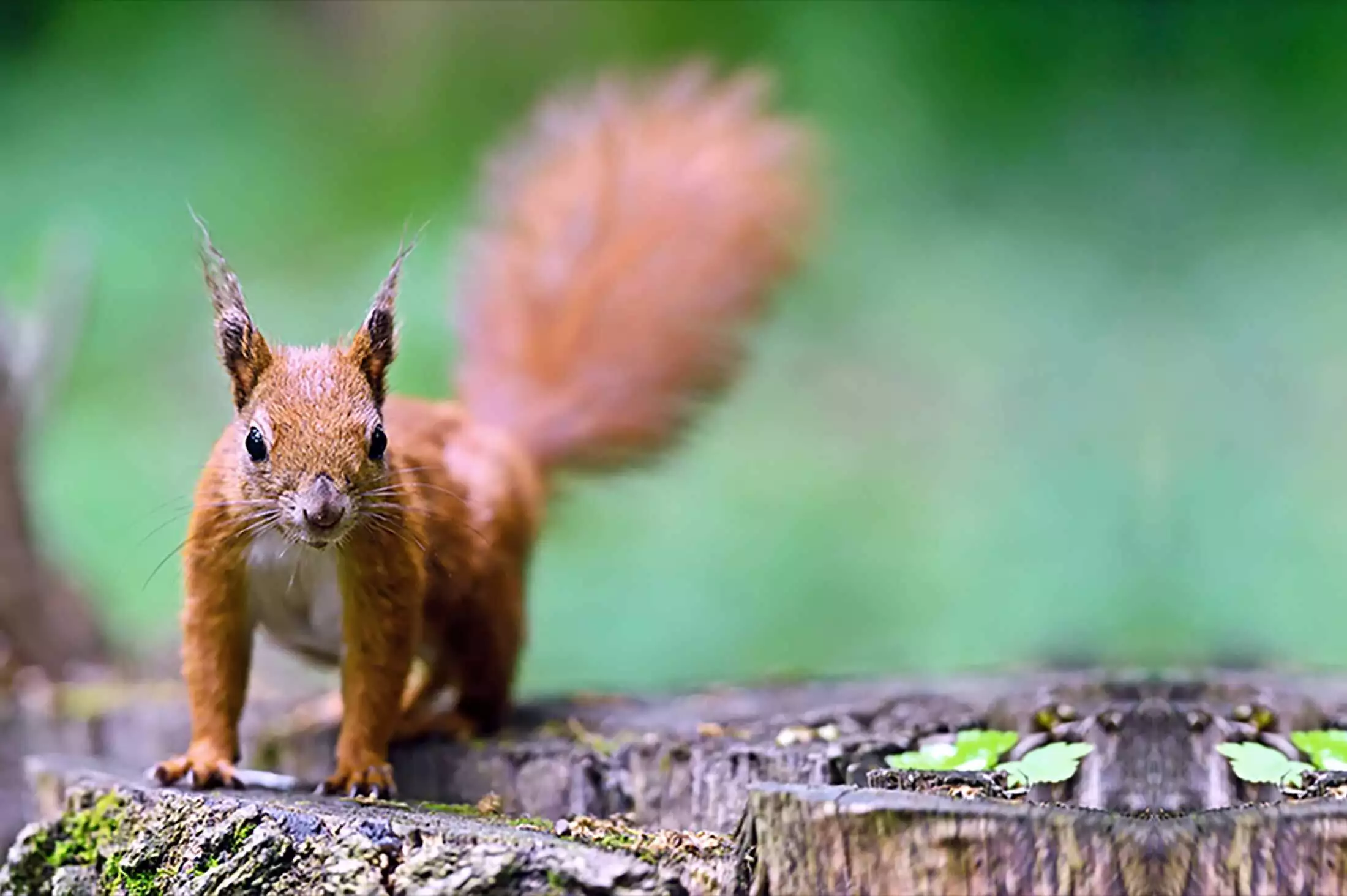
Dependent young change the removal and repair sequence
Why Baby Squirrels Are Found in Attics and Walls
Female squirrels may use attics, soffits, wall voids and other sheltered spaces as den sites for young. These locations provide warmth, protection and easy access through roofline openings.
Baby squirrels may remain hidden even when only the adult is seen. Soft chirping, squeaking or repeated movement from one area can indicate a nest.
Because the young depend on the mother, the removal plan should account for the entire family group before exclusion or repairs are completed.
Chirping sounds
Soft, repetitive calls can indicate dependent young
Adult return trips
A mother may repeatedly use the same entry opening
Wall-void movement
Young may shift or fall away from the original den
Premature sealing
Closing the opening too early can trap the litter inside
Season, sound and location provide important clues
Signs of Baby Squirrels in a Structure
High-pitched chirping or squeaking
Young squirrels may make soft, repetitive sounds when hungry, cold or separated from the mother.
Activity around one nest area
An adult repeatedly entering the same soffit, vent, roof edge or wall area may be caring for a litter.
Movement inside walls or insulation
Young squirrels may shift within attic insulation or fall into wall voids as they become more mobile.
Seasonal nesting behavior
Squirrel litters are commonly associated with late-winter or spring activity and may also occur later in the year depending on species and conditions.
Nest Sounds
High-pitched chirping may indicate hungry or separated young.
Adult Travel Route
Repeated entry by an adult can reveal the den location.
Safe Removal Sequence
The family group should be removed before permanent repairs.
Premature sealing can create a worse problem
Do Not Seal an Entry Point While Young May Be Inside
Closing an active opening before the mother and young are removed can trap animals inside, separate the litter from the adult or cause the mother to chew through another part of the structure.
Trapped young may create odor, distress sounds and additional damage if they cannot reach the den entrance.
The structure should be confirmed clear before permanent exclusion and repair work is completed.
Helpful details for a baby-squirrel service request
- The complete Virginia service address
- Where chirping or movement is heard
- Whether an adult squirrel is entering the structure
- How long the sounds have been present
- Any visible soffit, vent or roof opening
- Safe photographs or recordings
Call: (804) 457-2883
Hours: Mon–Fri 6 a.m.–6 p.m.
Sat–Sun 6 a.m.–noon
Inspection, family-group removal and follow-up exclusion
How Baby Squirrels Are Removed From Buildings
- Locate the likely den area. Sounds, adult travel routes and exterior entry points help narrow the nest location.
- Determine whether young are present. The season, sound pattern and adult behavior are evaluated before repairs begin.
- Plan removal for the mother and litter. The method depends on access, nest location, species and stage of development.
- Check walls, soffits and insulation. Young may move or fall away from the original nest area.
- Complete exclusion after the structure is clear. Confirmed openings can then be repaired or secured.
The goal is to resolve the animal problem without leaving young behind
Removal, Reunion and Structural Exclusion
Depending on the circumstances, young may be removed directly, kept with the mother or handled through another controlled removal approach.
Once the family group is out, the entry route can be evaluated for limited wildlife-related repair, screening or exclusion.
Major roofing, drywall, insulation or structural restoration may require a separate trade or restoration scope.
Signs young may still be inside
- High-pitched chirping from one location
- An adult repeatedly returns to the same opening
- Sounds continue after an exterior opening is blocked
- Movement occurs inside a wall void
- A young squirrel is found inside a room
- Odor develops after attempted sealing
Do not assume the structure is clear because the adult is temporarily absent.
Related squirrel nesting and removal information
Baby Squirrels and Service Links
- Squirrels in attics
- Squirrels in walls
- Squirrels in homes
- Professional squirrel trapping
- Squirrel in vent
- Squirrel damage and repairs
- Virginia squirrel removal
- All wildlife-removal services
Audio recordings and photographs of the entry point can help identify whether a nest is likely present.
Quick answers
Questions about baby squirrels
Baby Squirrels FAQ
When are baby squirrels commonly born?
Litters are commonly associated with late-winter or spring activity and may also occur later in the year depending on species and conditions.
What do baby squirrels sound like?
They may make soft, high-pitched chirps or squeaks when hungry, cold or separated from the mother.
Why are baby squirrels found in attics?
Attics, soffits and wall voids provide sheltered den locations near roofline entry points.
Should I seal the opening if I hear baby squirrels?
No. Sealing too early can trap the young inside or separate them from the mother.
Can baby squirrels fall into wall voids?
Yes. Young squirrels may move away from the nest or fall into connected wall cavities.
Will the mother return for the young?
A mother may repeatedly return to the den opening. The removal plan should account for the adult and litter together.
Should I feed or handle a baby squirrel?
Do not handle or feed a wild baby squirrel unless directed by an appropriate wildlife professional or rehabilitator.
How much does baby-squirrel removal cost?
Cost depends on nest location, access, number of animals, wall or attic involvement, entry points and follow-up exclusion work.
Request Baby Squirrel Removal Service
Please complete our contact form below:
Include the Virginia service address, where chirping or movement is heard, whether an adult is entering the structure, visible openings and safe photographs or recordings when available. For an immediate conversation during normal business hours, call (804) 457-2883.
Virginia Professional Wildlife Removal Services, LLC • (804) 457-2883 • vawildlifepro@gmail.com