Wildlife service for Richmond homes, rentals and businesses
Richmond Wildlife Removal
Help with animals in attics, vents, crawl spaces, chimneys, walls, garages and landscaped areas throughout the Richmond region.
Licensed and insured • Locally owned • Serving Virginia since 2008
Wildlife Problems in Richmond Properties
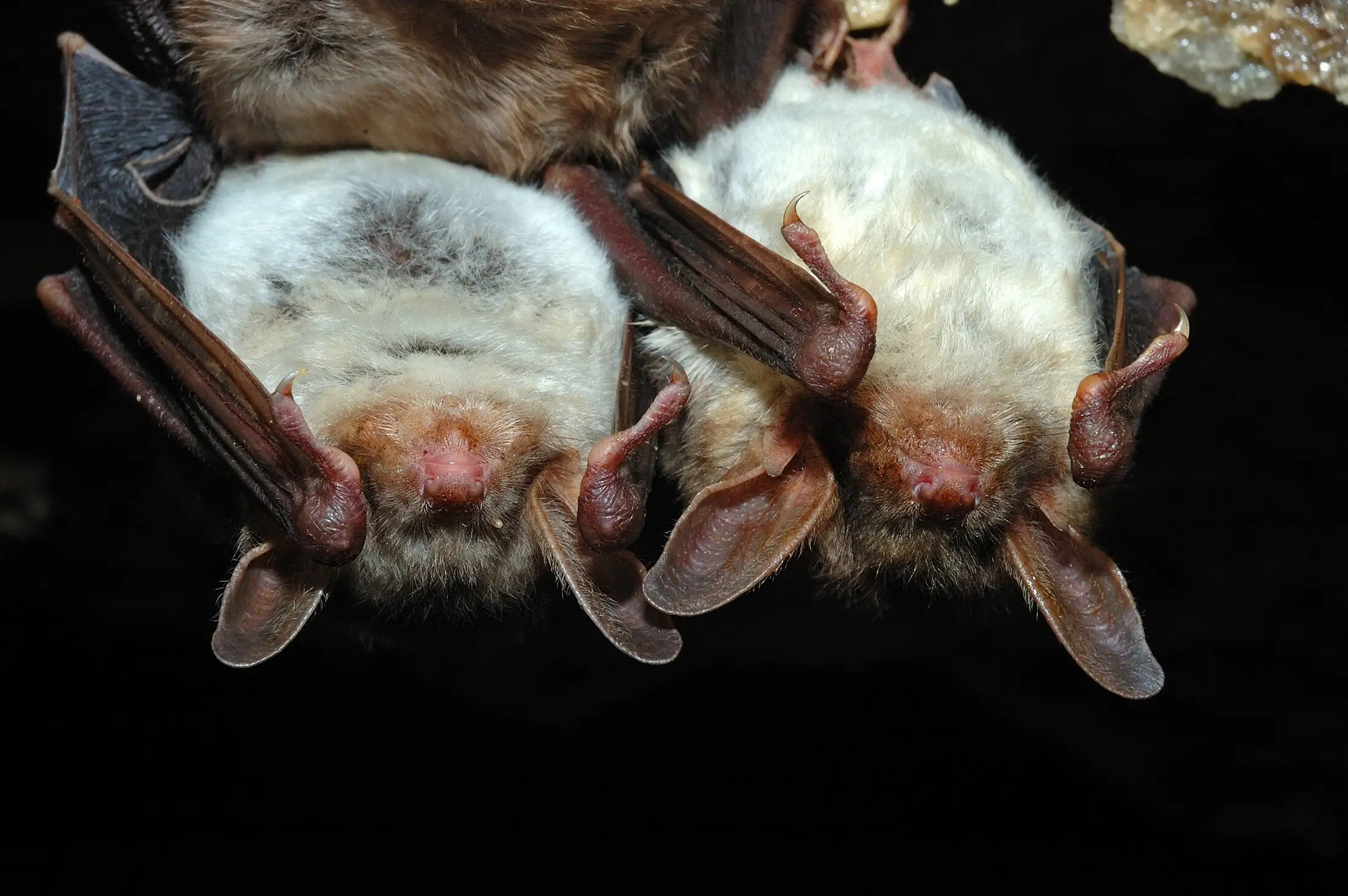
Richmond includes older city homes, brick houses with crawl spaces, apartment and rental properties, commercial buildings, suburban neighborhoods and wooded lots. Those different building types create different wildlife-entry conditions. Birds often nest in exterior vents, squirrels use roof returns and soffits, bats enter narrow roofline gaps, and rats or mice may move through crawl spaces and utility openings.
We serve Richmond and nearby communities including Tuckahoe, Lakeside, Bon Air, Midlothian, Short Pump, Glen Allen, Mechanicsville and Varina. Property owners dealing with an attic or roofline problem can also review our squirrel removal and exclusion and bat removal and exclusion information.
When requesting service, describe the property, where the activity occurs and whether it happens during the day or after dark. Those details help distinguish the likely animal and the proper service sequence before trapping, direct removal, exclusion or repair begins.
Older city homes
Attics, chimneys and wall spaces
Birds in exterior vents
Dryer and bathroom vent service
Crawl-space activity
Rodents, snakes and wildlife entry
Residential and commercial
Inspection-based service plans
Common Richmond service calls
Wildlife Services Based on the Building and the Animal
A problem in a historic-style city home, a rental property, a suburban attic or a commercial building may require a different approach. We inspect the structure and animal signs before recommending trapping, exclusion, direct removal, repair or cleanup. Richmond-specific help is available for raccoon removal, while our statewide service pages explain bird and vent control, snake removal, and groundhog removal.
Bats in Rooflines and Attics
Inspection and exclusion for bats using narrow gaps around fascia, vents and roof intersections.
Squirrels in Attics and Walls
Gray and flying squirrel removal, exclusion and repair options for daytime or nighttime activity.
Birds in Dryer and Bathroom Vents
Removal of birds and reachable nesting material from exterior vents and similar openings.
Raccoons in Attics and Chimneys
Trapping, removal and repair planning for raccoons using attics, chimneys and sheltered structures.
Rats and Mice in Crawl Spaces
Inspection, control and exclusion for rodents in crawl spaces, utility areas, garages and buildings.
Snakes Near Foundations
Removal and practical property recommendations for snakes near crawl spaces, garages and landscaping.
Groundhogs and Skunks Beneath Structures
Trapping and removal for digging or denning beneath decks, sheds, porches and garages.
Dead Wildlife and Odor Sources
Location and removal of accessible dead animals from attics, walls, crawl spaces and property areas.
Selected Pest Control
Targeted pest-control service for rats, mice, ants and roaches in qualifying Richmond-area properties.
Daytime Attic or Roofline Activity
Daytime running, chewing or repeated roofline movement often points toward gray squirrels, although inspection is needed before the animal is confirmed.
Nighttime Wall or Ceiling Sounds
Nighttime sounds may involve bats, flying squirrels, rats or mice. Timing helps narrow the possibilities, but physical evidence is needed for a reliable identification.
Repeated Vent or Chimney Activity
Bird traffic at an exterior vent or larger-animal activity around a chimney requires a different approach from attic or crawl-space activity.
Do not make the problem worse
Avoid Sealing an Active Wildlife Opening
A visible opening may still be in use, and young animals may be present. Sealing too early can trap wildlife inside, separate a mother from young or move the animal into another part of the building.
Daytime roofline activity, nighttime movement in walls, repeated bird traffic at a vent and scratching beneath a floor each point toward different animals and different service plans.
Helpful information for a Richmond service request
- The complete address and type of property
- Whether the activity is in an attic, vent, chimney, crawl space, wall or yard
- Whether the problem occurs during the day or at night
- Visible holes, staining, droppings, nesting material or digging
- Whether tenants, pets or business operations are affected
Call: (804) 457-2883
Hours: Mon–Fri 6 a.m.–6 p.m.
Sat–Sun 6 a.m.–noon
From identification to prevention
How Richmond Wildlife Service Is Evaluated
We compare animal behavior with the building’s construction and access. A bird nest in a vent, bats in a roofline gap, squirrels in an attic and rodents in a crawl space require different tools, timing and repair priorities. Sound alone is not enough; droppings, staining, gnawing, tracks, nesting material, opening size and the time of activity are considered together. The Virginia Department of Wildlife Resources nuisance-wildlife guidance provides additional public information about wildlife conflicts in Virginia.
1. Identify the Animal
We compare timing, sounds, droppings, nesting material, tracks, damage and entry size to identify the likely animal and active area.
2. Inspect the Building
We check likely entry points, travel paths, damage, contamination, nesting conditions and safe access.
3. Define the Work
We explain the removal, trapping, exclusion, cleanup and limited wildlife-repair options that fit the confirmed problem.
4. Complete the Work and Reduce Recurrence
Work and follow-up are based on the property, results and access, with practical recommendations for reducing repeat wildlife entry.
After the active problem is resolved
Repairs, Exclusion and Cleanup
Wildlife may use damaged vent covers, roof returns, soffit gaps, uncapped chimneys, crawl-space openings and utility penetrations. Once the animals are out, we can explain which openings should be repaired and which areas require ventilation-safe protection.
Reachable droppings, nesting material, urine staining or damaged insulation may also need attention. Accessible carcass and odor-source problems can be evaluated through our Richmond dead-animal removal service. The scope depends on access, the animal involved and the actual condition of the space. Electrical, plumbing, HVAC, roofing or major structural work may require the appropriate trade.
Richmond-area coverage
Service is available throughout the Richmond region, including Tuckahoe, Lakeside, Bon Air, Midlothian, Short Pump, Glen Allen, Mechanicsville and Varina. Availability depends on the complete address, animal, structure, access and current scheduling.
We work with homeowners, landlords, property managers and businesses. Mole service is limited to the Richmond metropolitan area and selected nearby locations. VPWRS does not provide domestic dog or cat control, live deer management or rabbit removal.
Before a trap or repair is selected
Why the Active Animal and Entry Point Matter
Wildlife sounds can travel through connected framing, walls and rooflines. The place where a sound is loudest may not be the den site or the opening the animal is using. An opening that looks obvious may also be old or inactive.
That is why the service plan should follow the evidence: identify the animal, determine the active area, account for dependent young when relevant, and then choose the appropriate removal and exclusion sequence. For the broader range of work available, see our wildlife and selected pest-control services.
Questions from Richmond property owners
Richmond Wildlife Removal FAQ
Do you work with landlords and property managers?
Yes. We work with landlords and property managers when property access, tenant communication, authorization and any building-specific restrictions are properly arranged before the visit.
Can you remove birds from dryer and bathroom vents?
Yes. Birds and reachable nesting material may be removed from accessible dryer vents, bathroom vents and similar exterior openings when the nest location and access are appropriate. After the vent is confirmed clear, suitable vent protection can be discussed to reduce repeat nesting.
How do you tell whether attic or wall sounds are bats, squirrels or rodents?
Timing is useful: bats and flying squirrels are generally active after dark, while gray squirrels are usually active during daylight. Rats and mice are also often more noticeable at night. We compare sound timing with droppings, staining, gnawing, tracks, nesting material and opening size because sound alone is not a reliable identification.
Should I seal a wildlife opening as soon as I find it?
No. The opening may still be active, and dependent young may be present. Premature closure can trap wildlife inside, separate a mother from young or move the animal deeper into the building. The species and active entry point should be confirmed before permanent exclusion is completed.
Do you seal wildlife entry points or repair damage after removal?
Yes. Exclusion, screening and limited wildlife-related repairs can be included when the active animal problem has been resolved and the affected areas are accessible. The work depends on the vent, soffit, roofline, chimney, crawl-space opening or utility penetration involved. Electrical, plumbing, HVAC, roofing or major structural work may require the appropriate trade.
Do you provide cleanup after removal?
Cleanup options depend on access, the animal involved and the amount of reachable nesting material, droppings, urine staining, contaminated insulation or other affected material. The cleanup scope is based on what can be safely reached and what is actually found.
Do you serve surrounding Richmond communities?
Yes. We serve Richmond and nearby communities including Tuckahoe, Lakeside, Bon Air, Midlothian, Short Pump, Glen Allen, Mechanicsville and Varina. Scheduling depends on the complete address, animal, access and current workload.
What should I include in the contact form?
Include the complete address, property type, where the activity is occurring, whether it happens during the day or at night, and any safe photographs of openings, nests, droppings, tracks or damage. Those details help determine the likely animal and the equipment or access that may be needed.
Request local service
Tell Us What Is Happening at the Richmond Property
Please complete our contact form below:
Include the address, property type, location of the activity and whether it happens during the day or at night. Safe photos of openings, nests, droppings or damage can be helpful.
Virginia Professional Wildlife Removal Services, LLC • (804) 457-2883 • vawildlifepro@gmail.com