Professional skunk trapping, removal and exclusion in Richmond
Richmond Skunk Removal and Control
We inspect Richmond properties for skunks beneath porches, decks, sheds, additions and crawl-space areas, then provide trapping, removal, exclusion and odor-control options based on the conditions found.
Licensed and insured • Residential and commercial service • Serving Virginia since 2008
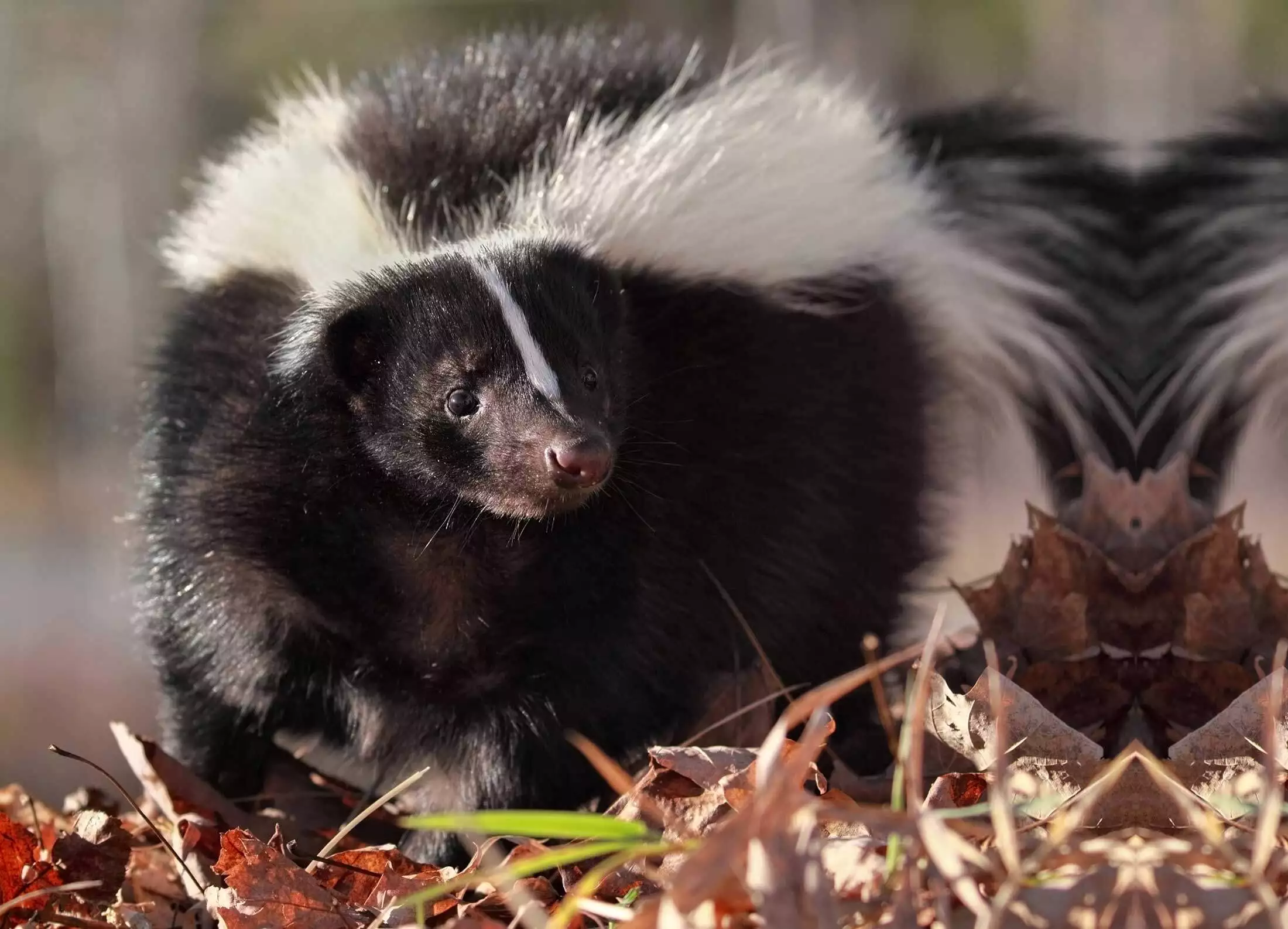
Ground-level denning and recurring odor around Richmond properties
Skunk Problems in Richmond Homes and Buildings
Skunks may den beneath porches, decks, sheds, additions, crawl-space areas and other protected ground-level spaces. A Richmond property may first show signs through persistent odor, disturbed soil, damaged vent screens or repeated nighttime activity near the same opening.
Richmond includes older houses with raised porches and additions, newer homes and townhomes, rental properties and commercial sites. The important question is not the neighborhood name, but whether one structural opening is being used repeatedly as a den.
Occasional outdoor travel does not always require removal. Professional service becomes more appropriate when a skunk repeatedly occupies a structure, creates persistent odor, damages a barrier or brings young into an accessible den site.
Persistent odor near one structure
Strong odor concentrated near the same porch, deck, shed or foundation area can indicate repeated use rather than a passing animal.
Fresh soil or an enlarged opening
Disturbed soil, damaged lattice, broken vent screening or an opening beneath a structure may mark an active den entrance.
Repeated nighttime sightings
Seeing a skunk use the same route or opening night after night is more significant than an occasional animal crossing the yard.
Young following an adult
Small skunks emerging from beneath a structure indicate a family group and require careful removal before exclusion.
Do not close the opening before the den is clear
Young Skunks May Be Inside
Female skunks may use protected areas beneath buildings as maternity dens. Young can remain concealed while the adult leaves to forage.
Closing the opening or installing permanent barriers before the family is confirmed out can trap animals inside or separate the mother from dependent young.
The removal sequence should account for the season, repeated adult travel, sounds and sightings near the active opening.
Helpful details for a Richmond skunk-service call
- Property address and building type
- Where the odor is strongest
- Where the skunk enters or exits
- How often activity occurs
- Whether young may be present
- Whether a pet had direct contact
Inspection, trapping and exclusion planning
How Richmond Skunk Removal Is Evaluated
- Document the activity. Odor, sightings, tracks, digging, den openings and timing help establish the likely problem.
- Inspect the suspected den area. Porches, decks, sheds, additions, vents and accessible foundation edges are evaluated.
- Consider dependent young. The season and den conditions influence the removal sequence.
- Perform the agreed trapping or removal work. The method depends on the site, access and circumstances.
- Confirm the area is clear before exclusion. Permanent barriers or repairs should follow removal rather than precede it.
Local service without generic neighborhood stuffing
Richmond Skunk-Service Coverage
We evaluate skunk activity at homes, rental properties, commercial sites and other Richmond structures. Service availability depends on the property location, access and the work required.
Raised porches, additions, crawl-space transitions, sheds and landscaped foundation edges can all create protected den sites. The actual opening must be confirmed at the property rather than assumed from the age or style of the building.
Structures commonly evaluated
- Raised porches and decks
- Older homes with additions
- Crawl-space and foundation openings
- Sheds and detached structures
- Townhomes and rental properties
- Commercial and managed properties
After the active skunk problem is resolved
Exclusion, Repairs and Odor-Control Options
Skunk activity may damage lattice, vent screens, foundation barriers and soil around a den entrance. Persistent odor can also move into a building through crawl-space openings, doors, windows and nearby vents.
Available work may include closing appropriate den openings, installing or repairing barriers, addressing limited wildlife-related damage and deodorizing accessible affected areas when conditions warrant it.
Odor treatment should not replace removal and exclusion. The underlying wildlife problem must be resolved first.
Richmond and statewide service pathways
Richmond Skunk and Wildlife Links
Questions from Richmond property owners
Richmond Skunk Removal FAQ
How can I tell whether a skunk is living under my Richmond property?
No. A single skunk in an occupied room requires immediate attention to possible exposure, while an attic colony requires structural inspection and exclusion planning.
Can a skunk have babies under a building?
Building colonies are generally addressed through exclusion. Poisons are not an appropriate skunk-control method and can create serious legal, animal-welfare and odor problems.
Why are skunks digging holes in my lawn?
Common areas include fascia, soffits, roof returns, gables, ridge lines, vents, chimney transitions, siding joints and additions.
Do you provide exclusion and odor-control work?
Describe where and when skunks were seen, whether any skunk entered a living space, and whether droppings, staining, odor or a visible opening are present.
Request Skunk Removal Service in Richmond
Please complete our contact form below:
Include the Richmond service address, where the skunk is seen or smelled, whether it is using a porch, deck, shed or crawl-space area, whether young may be present, any pet contact and safe photographs when available. For an immediate conversation during normal business hours, call (804) 457-2883.
Virginia Professional Wildlife Removal Services, LLC • (804) 457-2883 • vawildlifepro@gmail.com