Professional bat solutions across Virginia
Bat Removal & Exclusion in Virginia
We inspect buildings, guide bats out and close their entry points. Cleanup and repair options are available when the job needs them.
Licensed and insured • Residential and commercial service • Serving Virginia since 2008
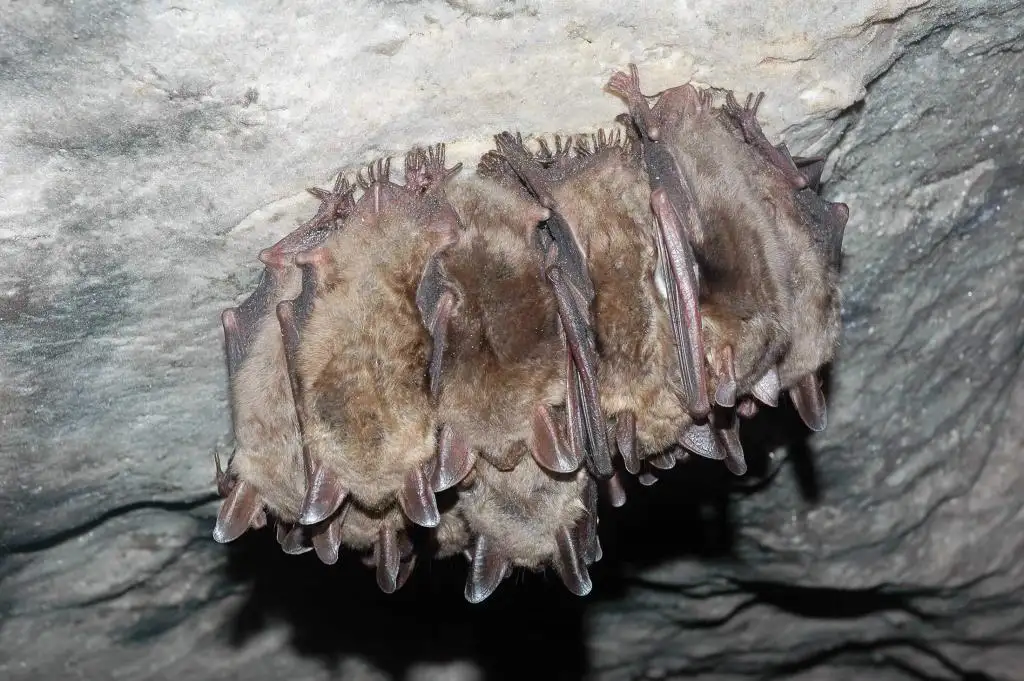
Bat in your home or attic?
Keep people and pets away from the bat. Do not touch it with bare hands. If anyone may have had contact with it, get public-health advice before the bat is released.
Call: (804) 457-2883
Hours: Mon–Fri 6 a.m.–6 p.m.
Sat–Sun 6 a.m.–noon
Since 2008
Serving Virginia properties
Bat-trained team
NWCOA bat certifications
Licensed + insured
Residential and commercial work
Inspect + exclude
Entry repair and cleanup options
What to look for
Signs of a bat problem
Bats may use a small gap near a roofline, vent, chimney or wall. An inspection helps confirm the animal, the entry points and the best next step.
Sounds near the roof
Scratching, squeaking or light movement may be heard around dusk or dawn.
Droppings or odor
Small dark droppings, staining or a strong odor may point to a roost above a ceiling or wall.
Bats entering or leaving
Repeated flight from one part of the building near sunset can reveal an active opening.
A building-based solution
Professional bat removal and exclusion
A lasting bat solution starts with the building. We inspect roof edges, vents, soffits, fascia, chimneys and other construction gaps for active openings, secondary gaps and signs of a roost.
When conditions allow, properly installed one-way devices let bats leave without returning. After the structure is confirmed clear, the agreed openings can be screened, sealed or repaired. The scope may also include accessible guano cleanup and protection of vulnerable vents or gaps.
The plan depends on the building, the colony and the season.
How the work is planned
Our bat-control process
The building, colony and season determine the work. These steps show how inspection findings become a practical exclusion plan.
1. Inspect
We look for bat signs, active openings, roost areas and building conditions.
2. Plan the timing
We consider the season, the colony and current wildlife guidance before exclusion starts.
3. Guide bats out
Proper one-way devices allow bats to leave without giving them a way back in.
4. Seal and follow up
Once bats are out, the agreed entry points are closed. Cleanup or repairs may follow.
Seasonal care matters
Bat exclusion must be timed correctly
A maternity colony may include young bats that cannot fly. Closing exits too soon can trap them inside. Virginia wildlife guidance says the best time for exclusion is often before bats enter in spring or after they leave in fall.
Exact timing can change with the species, colony and site. We inspect first and plan work around current rules and conditions.
Why an inspection comes first
- Confirms whether bats are using the building
- Finds active and possible entry points
- Checks for a maternity colony
- Helps set a safe, lawful scope
Health and cleanup
Handle bat concerns with care
Direct contact and contaminated spaces call for careful steps. Public-health advice should guide any possible exposure.
A bat in a living space
Do not touch the bat with bare hands. Keep people and pets away. If a bite, scratch or other contact may have happened, do not release the bat before speaking with local animal control or a health department. Ask a healthcare provider what to do next.
Virginia rabies guidance • CDC guidance for preventing rabies from bats
Guano and soiled areas
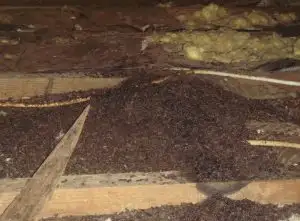
Do not stir up dry droppings or dust. The amount, location and access affect the cleanup plan. We can inspect accessible areas and explain the cleanup, protection and repair options that fit the job.
Scope matched to the property
Bat services for homes and businesses
We build the scope around what the inspection finds. Available work may include:
- Interior and exterior bat inspection
- Entry-point and roost assessment
- One-way bat exclusion
- Sealing agreed entry points
- Vent, gap and chimney protection
- Minor repair options tied to entry points
- Accessible guano and soiled-area cleanup
- Follow-up based on the job scope
We serve homeowners, businesses and property managers. Scheduling depends on location, site conditions and the season.
Unsure whether attic activity is coming from bats or squirrels? Compare our gray squirrel removal and flying squirrel removal services, or review all Virginia wildlife removal services.
Company qualifications
Virginia Professional Wildlife Removal Services, LLC
- Commercial Nuisance Animal Permit
- NWCOA Bat Standards Certified
- NWCOA Structural Bat Management Professional training
- Licensed and insured
- Serving Virginia since 2008
Virginia service coverage
Bat removal and exclusion across Virginia
VPWRS accepts qualifying bat-removal and exclusion requests throughout Virginia for homes, businesses, apartments, churches, warehouses and managed properties.
Bat work is scheduled around the building, colony conditions, access, current wildlife guidance and the season. A complete property address is needed before availability and timing can be confirmed.
Representative areas served
Central Virginia: Richmond, Henrico, Glen Allen, Short Pump, Chesterfield, Midlothian, Hanover, Goochland, Louisa, Fluvanna, Charlottesville and Albemarle County.
Northern Virginia: Manassas, Fairfax, Centreville, Burke, Reston, Ashburn, Leesburg, Lake Ridge and surrounding communities.
Hampton Roads and Tidewater: Virginia Beach, Chesapeake, Norfolk, Portsmouth, Hampton, Newport News, Suffolk and Williamsburg.
Shenandoah Valley and western Virginia: Harrisonburg, Staunton, Waynesboro, Winchester and selected surrounding communities.
What statewide bat service may include
- Interior and exterior bat inspection
- Identification of active and possible entry points
- Seasonally appropriate one-way exclusion
- Sealing agreed entry points after bats are out
- Vent, chimney and gap protection
- Minor repair options tied to bat entry
- Accessible guano and soiled-area cleanup
- Follow-up based on the agreed scope
Important: Exclusion timing may be limited when non-flying young are present. Inspection comes first.
Common questions
Bat removal FAQ
How do I know bats are in my attic?
Common signs include sounds near dusk or dawn, droppings, staining, odor and repeated bat flight from one area of the roof. An inspection can confirm the activity and entry points.
Can bats be excluded at any time of year?
No. Timing matters when young bats cannot fly. The plan should account for the colony, season, building and current Virginia wildlife guidance.
What should I do if a bat was in a bedroom or living space?
Keep people and pets away and do not touch the bat with bare hands. If contact may have occurred, get prompt advice from local animal control or a health department before releasing it. Contact a healthcare provider as well.
Do you seal bat entry points?
Yes, entry-point sealing can be part of the agreed scope. Active exits are handled in the right order so bats are not trapped inside.
Do you clean up bat guano?
Cleanup may be available for accessible areas. The amount, location, access and condition of the space determine the safe scope.
Do you serve commercial properties and areas across Virginia?
Yes. We serve residential and commercial properties. Availability depends on the location, job conditions and seasonal timing.
Request service
Tell us what is happening at your property
Please complete our contact form below:
Include as much detail as possible. For an immediate conversation during normal business hours, call (804) 457-2883.
Virginia Professional Wildlife Removal Services, LLC • (804) 457-2883 • vawildlifepro@gmail.com