Opossum activity around Virginia properties
Opossum Problems in Virginia Homes and Yards
Opossums may shelter beneath porches, enter crawl spaces, disturb trash or pet food, and leave waste or odors in protected areas. The correct response depends on whether the animal is simply passing through or actively using the property.
Licensed and insured • Locally owned • Serving Virginia since 2008
When an Opossum Becomes a Property Problem
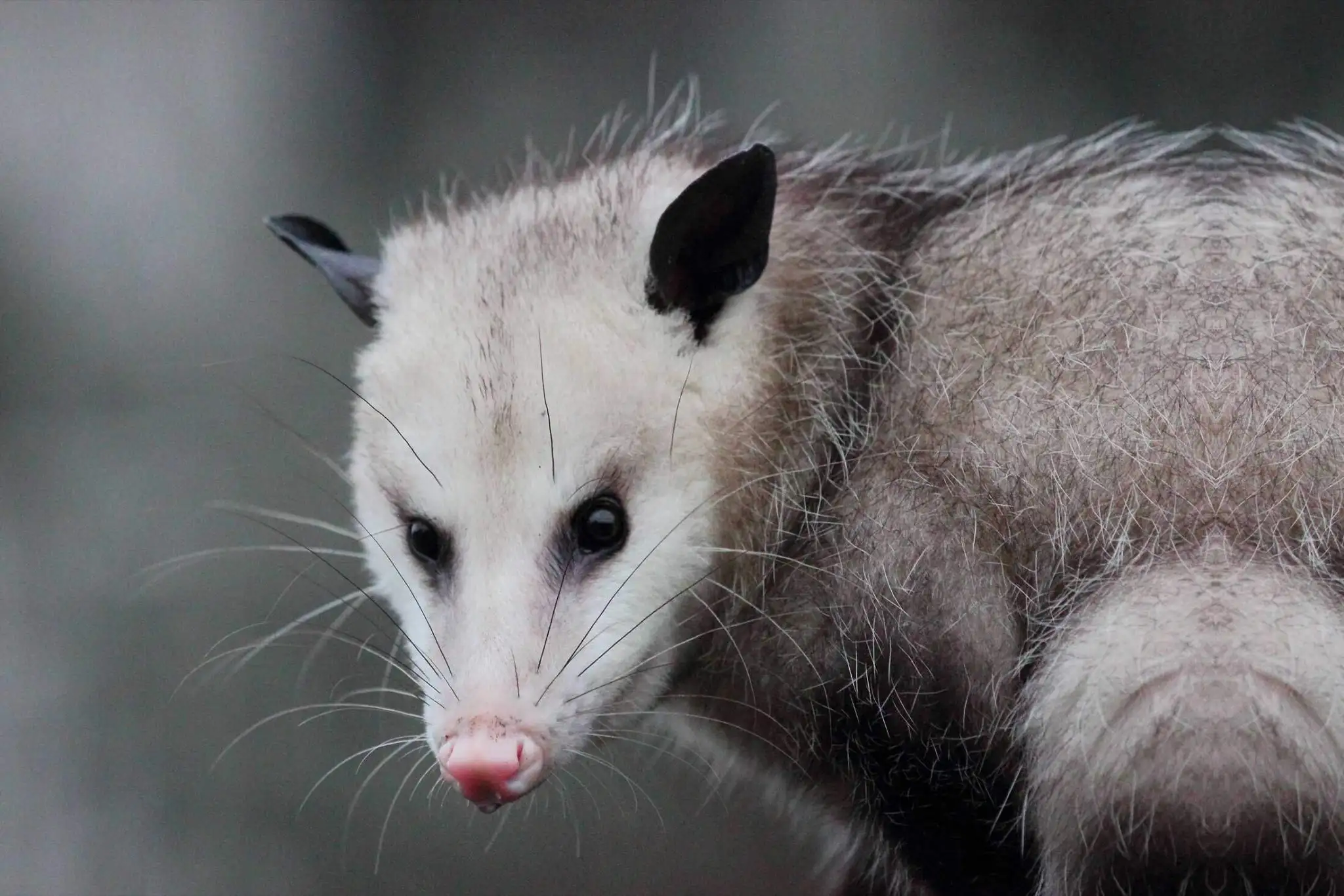
An opossum crossing a yard after dark does not automatically require removal. Service is more appropriate when an animal repeatedly enters a crawl space, shelters beneath a porch or shed, gets into a garage or outbuilding, disturbs trash or pet food, leaves waste or odor, or becomes trapped in a structure.
Opossums commonly take advantage of existing openings and sheltered spaces. The goal is to confirm the animal, determine how the area is being used and address the conditions that allow repeated access.
Need professional help with an active animal? Visit our Virginia opossum removal and control service page →
Common conflicts
Problems Opossums Can Cause Around Homes
Opossums are not usually major structural chewers, but they can create practical problems when they occupy protected spaces or repeatedly use food sources around a property.
Trash and Pet-Food Disturbance
Open trash, outdoor pet food, spilled birdseed and accessible compost can bring opossums close to homes and outbuildings.
Shelter Beneath Structures
Porches, decks, sheds and crawl spaces can provide dark, protected shelter when an opening already exists.
Waste, Odor and Contamination
An animal using a crawl space, shed or porch void may leave feces, urine, nesting material or odor in the occupied area.
Pet and Occupant Conflicts
Dogs may corner or injure an opossum, while occupants may encounter one in a garage, crawl space, window well or outbuilding.
Signs of activity
How to Tell Whether an Opossum Is Using the Property
- Nighttime movement beneath a porch, floor or crawl space
- Disturbed trash, pet food, birdseed or compost
- A visible opening beneath a structure
- Tracks with a widely separated hind “thumb”
- Droppings or nesting material near a sheltered area
- An animal repeatedly entering or leaving after dark
- Odor from waste or a deceased animal
Passing Through or Living There?
A single nighttime sighting may involve an animal moving through the neighborhood. Repeated activity at the same opening, food source or sheltered area is stronger evidence that the property is being used regularly.
Do not close an active opening
Why the Entry Point Should Not Be Sealed Immediately
An opossum may still be inside, and dependent young may be present. Closing an opening too early can trap wildlife, separate a mother from young or cause the animal to move into another part of the structure.
The safer sequence is to confirm the species and active opening, determine whether more than one animal is involved, complete the removal or exclusion work and then repair suitable entry points.
Reduce attractants
Property Conditions That Encourage Repeat Visits
- Unsecured trash or food waste
- Pet food left outdoors overnight
- Spilled birdseed beneath feeders
- Accessible compost
- Open garage or outbuilding doors
- Damaged crawl-space vents or barriers
- Openings beneath porches, decks or sheds
Professional Opossum Service Sequence
- Inspect the affected structure and surrounding property
- Confirm the animal and active opening
- Evaluate whether young may be present
- Develop a lawful removal or exclusion plan
- Address accessible waste or contaminated material
- Repair suitable openings after the area is clear
- Correct attractants that may lead to repeat activity
Virginia trapping considerations
Do Not Capture an Opossum Without a Lawful Disposition Plan
Virginia wildlife rules restrict the transportation and relocation of trapped nuisance wildlife. A property owner should not set a trap without understanding how the captured animal can be handled legally and safely. A licensed wildlife-control specialist can evaluate the situation and recommend an appropriate solution.
Common questions
Opossum Problems FAQ
Answers to common questions about identifying opossum activity, protecting the property and deciding when professional service is appropriate.
Does an opossum crossing my yard need to be removed?
Usually not. A single nighttime sighting may involve an animal moving through the area. Service is more appropriate when an opossum repeatedly enters a crawl space, shelters beneath a structure, gets trapped indoors, leaves waste or odor, or creates an ongoing conflict.
How can I tell whether an opossum is living under my porch or deck?
Repeated nighttime entry at the same opening, tracks, droppings, nesting material, odor or movement beneath the floor can indicate that the space is being used. A professional inspection can confirm the animal and determine whether young may be present.
Can opossums enter crawl spaces, sheds or garages?
Yes. Opossums may use damaged vents, open doors, low foundation gaps or openings beneath porches and sheds. The entry should not be sealed until the animal situation has been evaluated and the area is clear.
Do opossums commonly chew electrical wiring?
Opossums are not usually major structural chewers like rats or squirrels. Wiring damage should not automatically be blamed on an opossum without tracks, droppings, sightings or other evidence identifying the animal.
Should I seal an opening as soon as I find it?
No. An opossum may still be inside, and dependent young may be present. Closing an active opening can trap wildlife, separate a mother from young or force the animal into another part of the structure.
Can opossums leave waste, contamination or odor?
Yes. An animal using a crawl space, shed, porch void or other protected area may leave feces, urine, nesting material and odor. Cleanup needs depend on access, the amount of contamination and the materials affected.
Are opossums dangerous to people or pets?
Opossums generally try to avoid conflict, but any cornered or handled wild animal may bite or scratch. Keep children and pets away. If a person or pet is bitten, scratched or exposed to saliva, contact the appropriate medical, veterinary or public-health professional.
Can I trap and relocate an opossum myself?
Do not set a trap unless you understand Virginia wildlife requirements and already have a lawful disposition plan. Trapped nuisance wildlife should not be transported and released elsewhere. A qualified wildlife-control professional can recommend an appropriate approach.
When should I call a wildlife-removal professional?
Call when an opossum is inside a building, repeatedly enters a crawl space or shelter area, becomes trapped, leaves waste or odor, conflicts with pets, or continues returning despite attractant reduction. Share the complete property address, activity location, timing and any safe photos when requesting service.
Request opossum removal service
Tell Us What Is Happening at the Property
Please complete our contact form below:
Include the address, property type, location of the activity, time of day and any safe photos of openings, tracks, droppings, nesting material or damage. For an immediate conversation during normal business hours, call (804) 457-2883.
Virginia Professional Wildlife Removal Services, LLC • (804) 457-2883 • vawildlifepro@gmail.com