Wildlife service for Richmond homes, farms and managed properties
Richmond Bat Removal and Exclusion
Help with animals in attics, vents, chimneys, crawl spaces, barns, sheds and landscaped areas throughout Richmond.
Licensed and insured • Locally owned • Serving Virginia since 2008
Richmond homes, commercial buildings and older roof systems
Bat Problems in Richmond Homes and Buildings
Bats may enter Richmond structures through narrow gaps at roof edges, flashing, fascia, soffits, vents, chimneys and other upper-building transitions. Older homes, additions and complex rooflines can provide concealed openings that are difficult to identify from the ground.
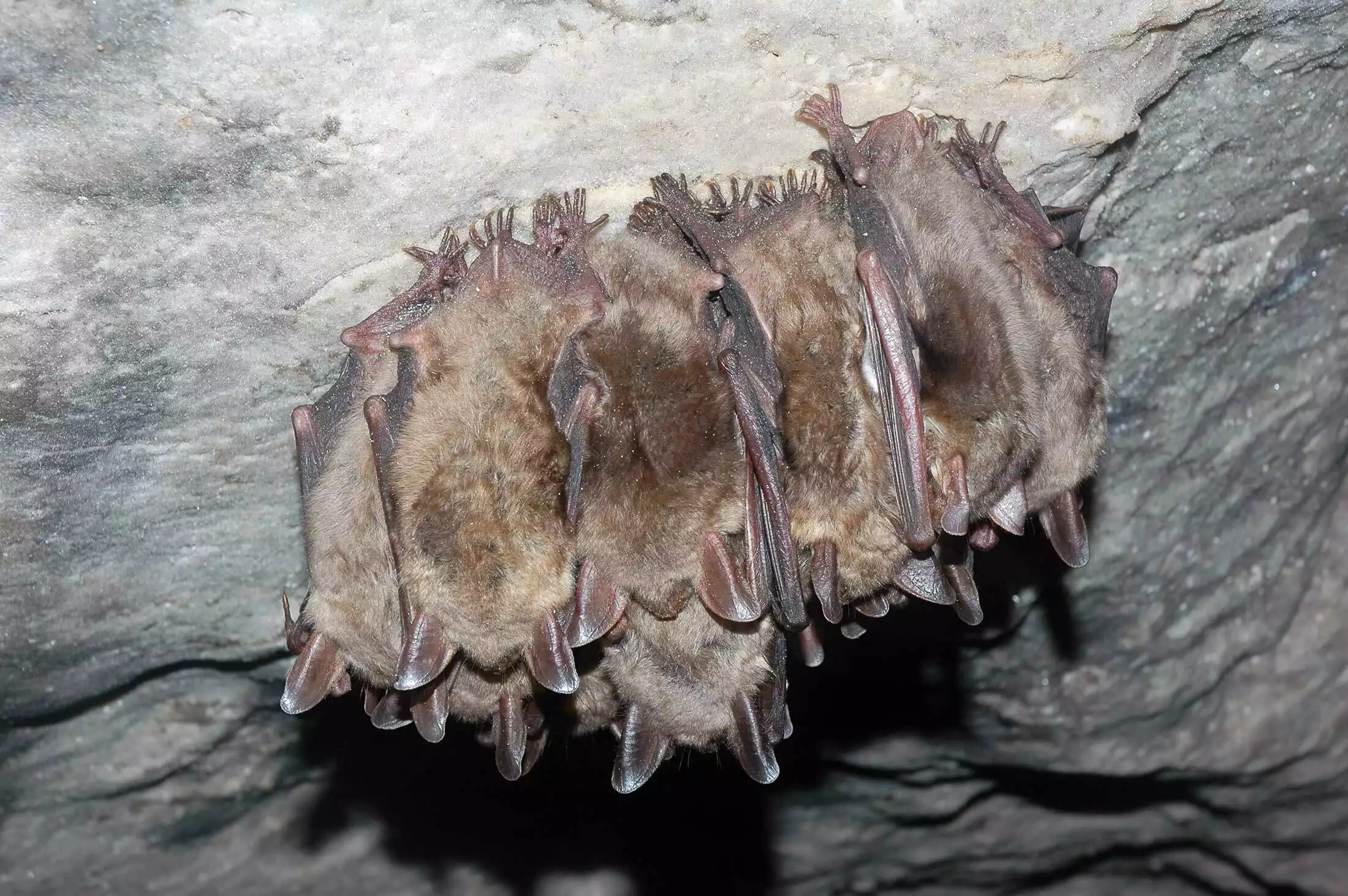
A bat seen indoors does not always prove that a colony is present. Repeated indoor sightings, bats emerging near dusk, staining beneath an opening, guano or recurring attic sounds are stronger signs that the structure needs a professional inspection.
The service plan should identify the active openings, determine how the bats are using the building and address timing before exclusion or repairs begin.
Bats emerging near dusk
Repeated activity from the same roof edge, vent, chimney or siding transition may indicate an established exit point.
A bat inside an occupied room
Close interior doors when it can be done safely, keep people and pets away and do not handle the bat with bare hands.
Guano or staining below an opening
Accumulated droppings, rub marks or staining can help identify a regularly used entry or roost area.
Recurring attic or wall-area sounds
Light scratching or movement near dusk and dawn can be one clue, but inspection is needed because other wildlife creates similar sounds.
Removal without trapping bats inside
Bat Exclusion Requires Correct Timing
Bat work is not simply a matter of closing every visible gap. Active openings must be confirmed, appropriate one-way exclusion methods must be used and the work must account for seasonal conditions and the possibility of flightless young.
Sealing an active opening too early can trap bats inside the structure or force them into occupied rooms. Permanent repairs should follow confirmation that the bats have left through the intended exclusion points.
Helpful details for a Richmond bat-service call
- Property address and building type
- Where bats are seen entering or leaving
- Time of day and frequency of activity
- Whether a bat entered an occupied room
- Visible guano, staining or attic contamination
- Any recent roof, siding or chimney work
Inspection, exclusion and repair planning
How Richmond Bat Removal Is Evaluated
- Document the reported activity. Indoor sightings, emergence points, timing, sounds, staining and guano help establish the scope.
- Inspect likely entry areas. Roof edges, flashing, soffits, fascia, vents, chimneys and siding transitions are evaluated where safely accessible.
- Determine the appropriate timing. Seasonal conditions and the possible presence of dependent young affect when exclusion can proceed.
- Install the agreed exclusion measures. Active openings are addressed so bats can leave without re-entering.
- Confirm activity has stopped before final repairs. Permanent closure and related repair work follow the exclusion phase.
Local service without generic neighborhood stuffing
Richmond Bat-Service Coverage
We evaluate bat activity at homes, commercial buildings and other structures in Richmond. Service availability depends on the property location, building height, roof access and the work required.
Richmond properties range from older houses with layered roof and chimney transitions to newer buildings with ridge vents, gable vents and modern siding systems. The entry route must be confirmed at the specific structure rather than assumed from the age or style of the building.
Buildings commonly evaluated
- Single-family homes and townhomes
- Older homes with complex rooflines
- Commercial and mixed-use buildings
- Churches, offices and institutional buildings
- Garages, additions and detached structures
- Buildings with chimneys, dormers or multiple roof transitions
After the active bat problem is resolved
Bat Guano, Attic Conditions and Repair Options
Bat activity may leave guano, urine staining, odor and contaminated insulation near the roost or entry area. The amount and location of material determine whether limited cleanup or a larger remediation scope should be considered.
Cleanup should not replace exclusion. The bats and active openings must be addressed first so new contamination does not continue after the affected material is removed.
Available work may include bat exclusion, sealing appropriate secondary gaps, wildlife-related repairs, removal of accessible contaminated material and deodorizing where conditions warrant it.
Richmond and statewide service pathways
Richmond Bat and Wildlife Links
Questions from Richmond property owners
Richmond Bat Removal FAQ
How can I tell whether bats are using my Richmond building?
No. A single bat in an occupied room requires immediate attention to possible exposure, while an attic colony requires structural inspection and exclusion planning.
Why can’t the bat openings be sealed immediately?
Building colonies are generally addressed through exclusion. Poisons are not an appropriate bat-control method and can create serious legal, animal-welfare and odor problems.
Where do bats commonly enter Richmond homes?
Common areas include fascia, soffits, roof returns, gables, ridge lines, vents, chimney transitions, siding joints and additions.
Do you repair bat entry points?
Describe where and when bats were seen, whether any bat entered a living space, and whether droppings, staining, odor or a visible opening are present.
Request Bat Removal Service in Richmond
Please complete our contact form below:
Include the Richmond service address, where and when bats are seen, whether a bat entered an occupied room, any visible roof or vent opening, guano or staining, and safe photographs when available. For an immediate conversation during normal business hours, call (804) 457-2883.
Virginia Professional Wildlife Removal Services, LLC • (804) 457-2883 • vawildlifepro@gmail.com