Professional vole solutions for Virginia properties
Vole Removal & Control in Virginia
We inspect lawns, gardens and landscaped areas for vole activity, identify active runways and burrows, and recommend a site-specific removal and damage-reduction plan.
Licensed and insured • Residential and commercial service • Serving Virginia since 2008
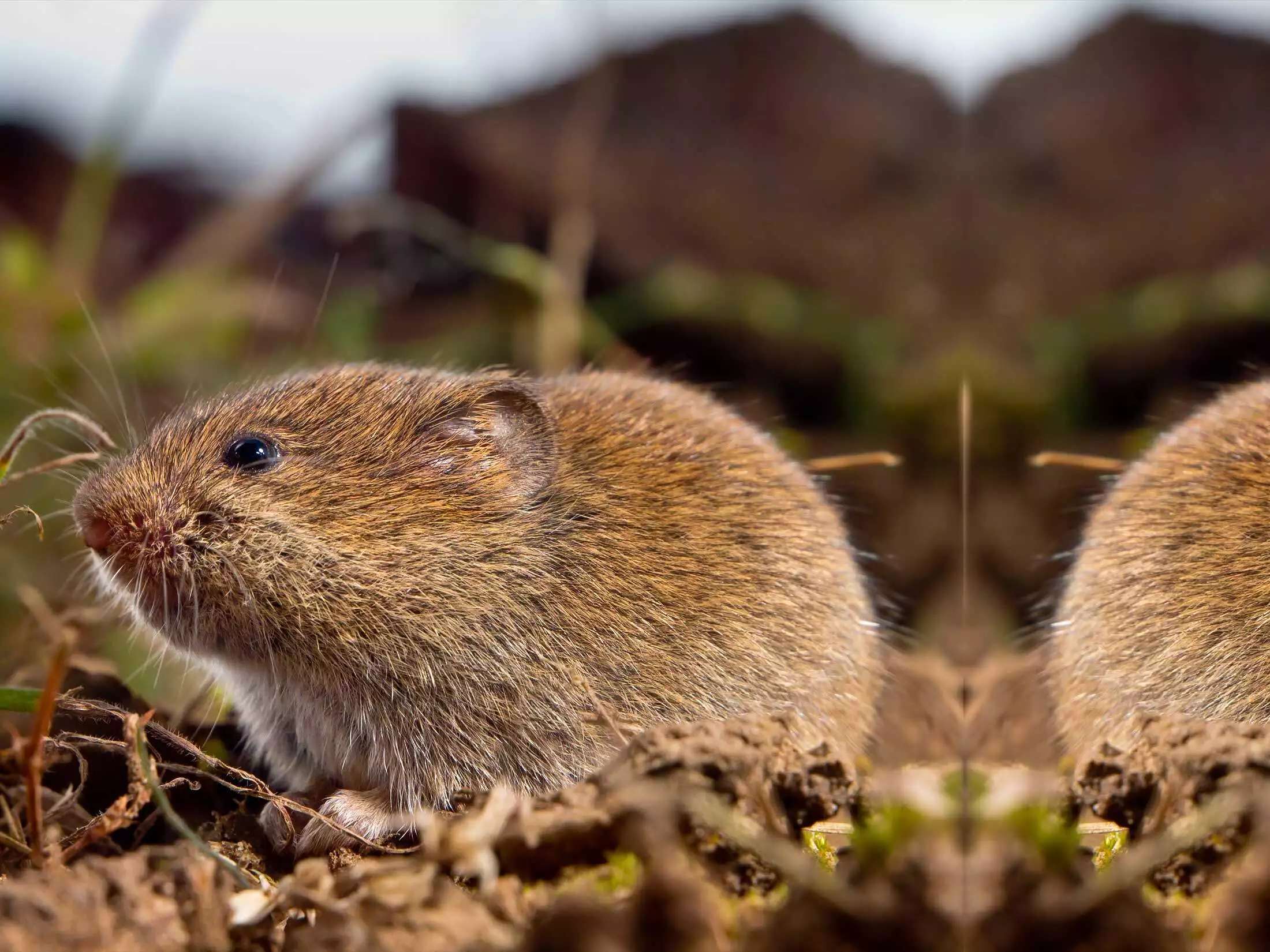
Seeing narrow runways, small holes or chewed plants?
Send the service address and tell us where the damage appears, when it started and whether you see surface runways, burrow openings, clipped grass or gnawed stems. Wide photos and close-ups taken from a safe distance help us evaluate the request.
A vole problem can resemble mole, mouse or other animal activity. Correct identification comes before the service plan.
Call: (804) 457-2883
Hours: Mon–Fri 6 a.m.–6 p.m.
Sat–Sun 6 a.m.–noon
18 years
Serving Virginia properties
Licensed and insured
Professional wildlife service
Identify first
Vole, mole or another animal
Site-specific plan
Removal plus damage guidance
Common warning signs
How to recognize possible vole activity
Voles are small plant-eating rodents that travel through surface runways and shallow burrow systems. Active areas often show more than one clue.
Surface runways
Narrow paths through grass, clipped vegetation and small amounts of droppings can indicate repeated travel between cover, food and burrows.
Small burrow openings
Round openings near runways, mulch, ground cover, garden beds or landscape edges may lead to a vole nest or travel system.
Plant and bark damage
Gnawed stems, roots, bulbs, vegetables or bark near ground level can damage gardens, ornamentals and young trees.
Professional response
Vole inspection, removal and control
We start with the reported damage, active sign, property layout and the vegetation or landscape features supporting activity. The inspection helps separate an active vole problem from old damage or a different animal.
The recommended service depends on the site. Removal or control methods, monitoring and follow-up are selected after the activity and access are evaluated. No responsible wildlife service can promise that a property will remain permanently free of voles.
Helpful property details
- Service address and property type
- Location and size of the affected area
- Runways, openings and fresh droppings
- Plants, roots or bark being damaged
- Recent mowing or landscape changes
- Pets, children and treatment restrictions
- Clear photos of the activity
How the work is planned
Our vole-removal process
The exact plan depends on active sign, property access, landscaping, site conditions and the scope approved for that property.
1. Gather details
We ask about the address, affected areas, recent damage, access, pets, children and available photos.
2. Identify activity
We examine runways, openings, droppings and feeding damage and check whether another animal is more likely.
3. Define the service
We explain the recommended removal or control scope, monitoring needs and practical site limitations.
4. Follow up
Results and new activity guide follow-up and habitat or landscape recommendations for the property.
Identify before treating
Vole, mole or another lawn problem?
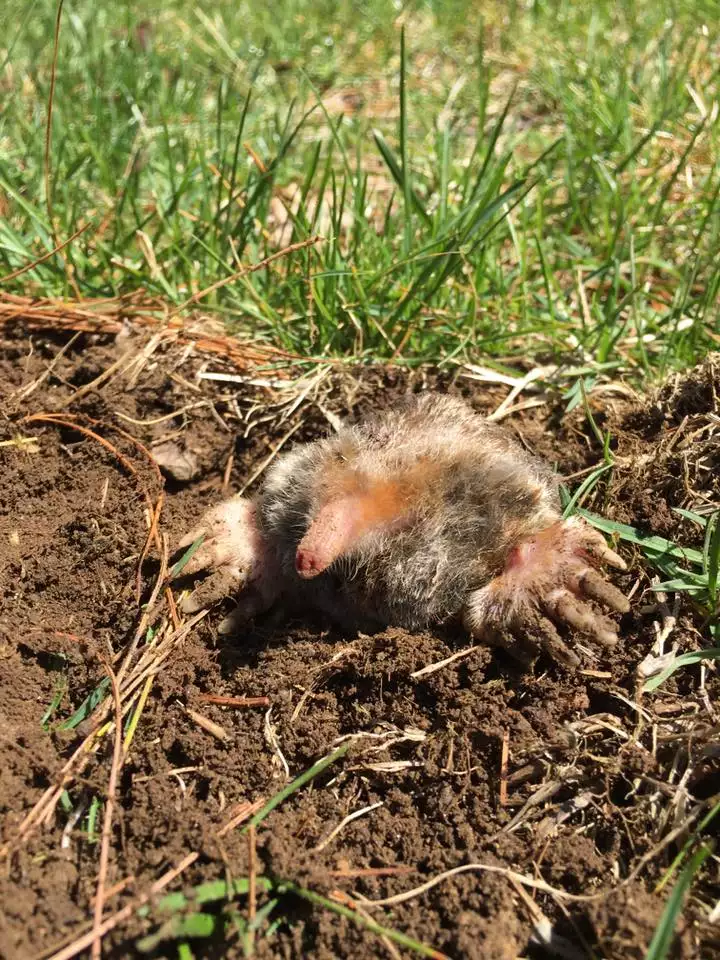
Voles create surface runways and feed on vegetation. Moles travel through raised underground tunnels while searching for soil animals. Both can disturb a lawn, but the animals, damage and service options are different.
For a fuller side-by-side guide, visit Moles or Voles? If raised tunnels and soil mounds are the main issue, review our mole-removal service area and limitations.
After active removal
Reduce cover and protect vulnerable plants
Long-term improvement usually combines monitoring with changes that make the affected area less attractive. Keep grass maintained, reduce dense ground cover near problem areas and avoid deep mulch against young trunks.
Tree guards and other physical protection may help vulnerable plants when installed correctly. Repellents do not remove an established population, and results vary with weather, growth and animal pressure.
Possible follow-up measures
- Mow and keep problem areas visible
- Reduce weeds and dense ground cover
- Move mulch away from young trunks
- Protect high-value bulbs and plants
- Inspect new runways promptly
- Document fresh damage with photos
- Reassess after landscape changes
Virginia service
Request vole removal for your property
We evaluate residential, commercial and managed-property requests in Virginia. Scheduling and scope depend on location, access, the affected area and the work required.
Send the service address and clear photos of runways, holes, droppings and plant damage. Identification-only visitors can also review our educational guide to vole activity and control considerations.
Good photos include
- A wide view of the affected lawn or bed
- Runways visible through the grass
- Burrow openings and nearby cover
- Fresh droppings or clipped vegetation
- Gnawed stems, roots or bark
- Gates and safe walking access
Qualifying vole service across Virginia
Virginia Service Coverage
VPWRS accepts qualifying vole-removal and control requests throughout Virginia for residential, commercial and managed properties.
Availability depends on the complete property address, confirmed active vole sign, the number and size of affected areas, landscaping conditions, safe access, pets or livestock, treatment restrictions and technician scheduling.
Representative areas served
Central Virginia: Richmond, Henrico County, Chesterfield County, Hanover County and Goochland County.
Northern Virginia: Fairfax County, Manassas, Centreville and Ashburn.
Hampton Roads and Tidewater: Virginia Beach, Chesapeake, Norfolk, Newport News and Williamsburg.
Shenandoah Valley and western Virginia: Harrisonburg, Staunton, Winchester and Roanoke.
Vole-service scope and limitations
- Surface runways, small openings and plant damage should be evaluated before service because mole, mouse and other animal activity can look similar.
- The scope depends on the number and size of active areas, property size, dense ground cover, mulch, irrigation and nearby untreated habitat.
- Pets, children, livestock, edible gardens and customer treatment restrictions must be disclosed before the service plan is selected.
- Removal or control does not repair lawn, garden, bark, root or landscape damage.
- Monitoring and follow-up may be required because vole activity changes with weather, cover, food and neighboring habitat.
- Habitat and landscape recommendations are property-specific and may require a landscaper or arborist for work outside the wildlife-service scope.
- No responsible service can guarantee that voles will never return to a property.
Common questions
Vole removal FAQ
How can I tell if I have voles?
Look for narrow surface runways, small burrow openings, clipped grass, droppings and gnawing on roots, stems or bark. Because other animals can create similar signs, identification should be confirmed before a service plan is selected.
Do you provide professional vole removal?
Yes. We inspect reported activity and provide site-specific vole removal or control when the evidence and property conditions support that service. The exact scope is explained before work begins.
What is the difference between a vole and a mole?
Voles are plant-eating rodents that use surface runways and burrows. Moles are insect-eating mammals that make raised underground tunnels and soil mounds. The correct service depends on which animal is active.
Can voles damage trees and gardens?
Yes. Voles may eat bulbs, roots, vegetables and other vegetation and may gnaw bark near ground level, especially where dense cover protects their travel routes.
Will repellent permanently get rid of voles?
No repellent can responsibly be presented as a permanent solution. Results vary, and repellents do not remove an established population or repair damage. Monitoring, removal or control and habitat changes may all be part of a plan.
Should I use poison myself?
This page does not provide do-it-yourself poison instructions. Incorrect product selection or placement can endanger people, pets and non-target animals. Ask about a professional, site-specific plan instead.
What should I send with my request?
Provide the service address, property type, affected locations, when the damage began, access details and clear photos of runways, openings, droppings and plant damage.
How much does vole removal cost?
Cost depends on travel, property size, active areas, access, removal or control method, monitoring needs and the approved scope. Details and photos help determine the appropriate next step.
Do you guarantee that voles will never return?
No. Wildlife activity can change with weather, food, cover and neighboring habitat. We explain the service scope and practical follow-up measures without making a permanent-control claim.
Related services and resources
Moles or Voles? • Vole information • Mole removal • All wildlife services • Request service
Request service
Tell us what is happening at your property
Please complete our contact form below:
Include as much detail as possible. For an immediate conversation during normal business hours, call (804) 457-2883.
Virginia Professional Wildlife Removal Services, LLC • (804) 457-2883 • vawildlifepro@gmail.com