Wildlife service for lake-area, rural and residential properties
Fluvanna Wildlife Removal
Help with animals in attics, vents, crawl spaces, chimneys, sheds, barns and landscaped areas throughout Fluvanna County.
Licensed and insured • Locally owned • Serving Virginia since 2008
Wildlife Problems Across Fluvanna County
Fluvanna County includes Lake Monticello-area homes, wooded subdivisions, rural acreage, farms, older houses, newer construction, barns, sheds and detached buildings. Those settings create different wildlife pressures. Birds may nest in exterior vents, bats may use narrow roofline gaps, squirrels may enter attics, snakes may appear near foundations, and groundhogs may burrow beside sheds, decks or gardens.
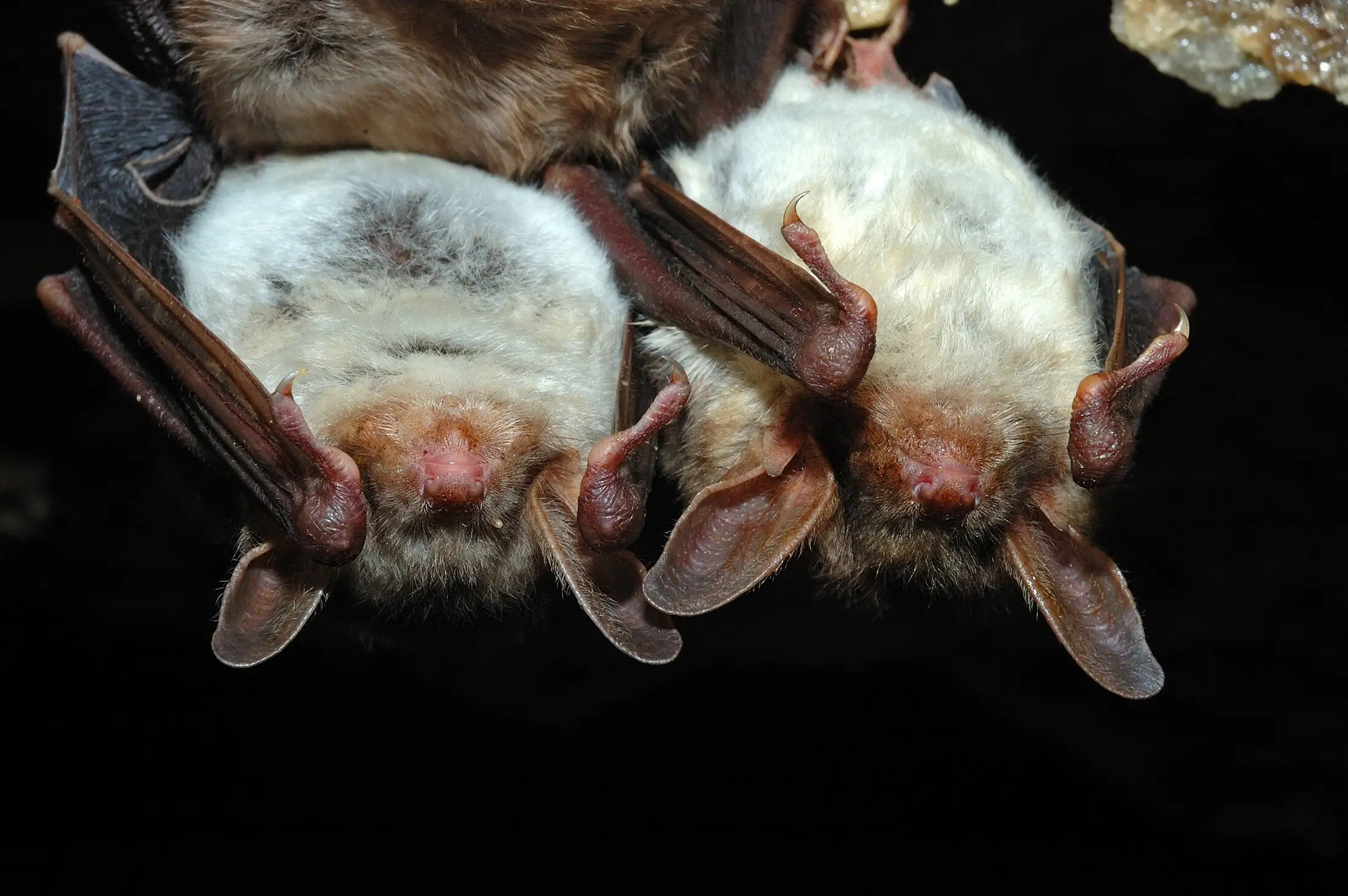
For attic activity involving gray or flying squirrels, see our Fluvanna squirrel removal information. Bat removal and exclusion addresses roofline openings, while bird and vent control may be appropriate when birds occupy dryer, bathroom or exhaust vents.
We serve Palmyra, Lake Monticello, Troy, Fork Union, Kents Store, Bremo Bluff and nearby communities. When requesting service, note the specific building or property area involved, where the activity occurs, when it happens and whether you see an opening, nest, droppings, tracks, burrow, digging or damage.
Lake-area properties
Homes, decks, vents and crawl spaces
Rural structures
Barns, sheds and detached buildings
Removal plus prevention
Exclusion and repair options
Residential and commercial
Inspection-based service plans
Common calls in Fluvanna County
Wildlife Services Based on the Actual Property
The same animal can behave differently in a lake house, a wooded subdivision, a farmhouse or a detached outbuilding. We inspect the site before recommending trapping, exclusion, repair, cleanup or a combination of services.
Bats in Attics and Rooflines
Inspection and exclusion for bats using roof gaps, vents, fascia intersections and other narrow openings.
Squirrels in Attics
Removal, exclusion and repair options for gray squirrels and flying squirrels in attics and wall spaces.
Birds in Vents and Buildings
Removal of birds and reachable nesting material from dryer vents, bathroom vents, chimneys and structures.
Snake Removal
Removal and practical property recommendations for snakes found near homes, crawl spaces, garages and landscaping.
Groundhogs Near Sheds and Gardens
Trapping and removal for burrows beside sheds, decks, gardens, outbuildings and foundations.
Rats and Mice
Inspection, control and exclusion for rodent activity in crawl spaces, attics, garages and rural structures.
Dead Wildlife and Odor Sources
Location and removal of accessible dead animals from buildings, crawl spaces, attics and property areas.
Raccoons in Attics and Crawl Spaces
Inspection and removal planning for raccoons using attics, crawl spaces, chimneys or sheltered areas around structures.
Skunks Beneath Decks and Sheds
Trapping and practical exclusion planning for skunks sheltering beneath decks, porches, sheds and other raised structures.
Opossums in Sheltered Areas
Removal from crawl spaces, garages, sheds, barns and other protected areas where opossums may den or become trapped.
Beaver Damage and Water-Flow Problems
Evaluation and control for qualifying beaver problems involving tree cutting, dams, drainage changes or flooding around ponds and waterways.
Pest Control
Selected pest-control services for ants, roaches and stinging insects.
Location, timing and access all matter
Avoid Closing a Wildlife Opening Too Early
A visible opening may still be in active use, and dependent young may be present. Sealing first can trap wildlife inside, separate young from an adult or force animals into another part of the structure.
Daytime movement near the roofline, nighttime sounds in walls, repeated bird traffic at a vent and digging beneath a structure each point toward different service plans. Timing is compared with tracks, droppings, staining, gnawing, nesting material, burrow size and the exact opening location rather than used by itself.
Helpful information for a Fluvanna service request
- The complete address and type of property or building
- Whether the activity is in an attic, vent, chimney, crawl space, barn, shed, detached garage or yard
- The time of day the problem is most noticeable
- Visible openings, nesting material, droppings, tracks, burrows, digging or other damage
- Whether the issue affects pets, tenants, livestock or business operations
Call: (804) 457-2883
Hours: Mon–Fri 6 a.m.–6 p.m.
Sat–Sun 6 a.m.–noon
From identification to prevention
How a Fluvanna Wildlife Service Plan Is Built
We compare the animal signs with the construction and surroundings. A vent problem at Lake Monticello, attic activity in Palmyra and burrowing beside a rural outbuilding may all require different tools and repair priorities.
1. Gather details
We ask about the complete address, property type, specific building or area, animal signs, timing and any safe photos.
2. Inspect
We check likely entry points, travel paths, nesting or den areas, damage, contamination and safe access.
3. Define the work
We explain trapping, direct removal, one-way exclusion, screening, cleanup and limited wildlife-related repair options that fit the site.
4. Complete and advise
Work and follow-up steps are based on the confirmed animal, property conditions, results and access limitations.
Protecting the structure after removal
Entry-Point Repairs, Cleanup and Recurrence Risks
Wildlife may use damaged vent covers, roof returns, soffit gaps, crawl-space openings, uncapped chimneys or areas where additions meet the original structure. Once the active problem is resolved, we can explain which openings should be repaired and which areas need ventilation-safe protection.
Reachable droppings, nesting material, urine staining or damaged insulation may also need attention. Limited wildlife-related screening and repairs may be appropriate when access and materials allow. Electrical, plumbing, HVAC, roofing or major structural work may require the appropriate trade.
Fluvanna County coverage
Service is available in Palmyra, Lake Monticello, Troy, Fork Union, Kents Store, Bremo Bluff and surrounding parts of Fluvanna County.
We work with homeowners, landlords, property managers, farms and businesses. For barns, sheds, detached garages or other outbuildings, identify the specific structure involved because construction and access may differ substantially from the main residence.
The property changes the service plan
Why Lake-Area Homes, Rural Properties and Outbuildings Differ
A finished Lake Monticello-area home, a wooded rural property, a farmhouse, a barn and a detached shed can all have wildlife activity, but the same removal or exclusion method does not automatically fit each setting. The useful questions are what animal is active, where it is entering or sheltering, whether dependent young are possible, and what part of the property can be accessed safely.
Ground-level problems also require different evidence. A groundhog burrow beside a shed is different from a snake near a foundation or a dead-animal odor inside a wall. For those problems, see our snake removal service or dead-animal and odor-source removal service. The Virginia Department of Wildlife Resources nuisance-wildlife guidance provides additional public information about wildlife conflicts in Virginia.
For the broader range of work available, see our wildlife and selected pest-control services overview.
Questions from Fluvanna property owners
Fluvanna Wildlife Removal FAQ
Do you serve Lake Monticello and Palmyra?
Yes. We serve Lake Monticello, Palmyra and other Fluvanna County communities, subject to the complete address, requested service, safe access and current scheduling.
Can you work at barns, sheds and detached garages?
Yes. We handle qualifying wildlife problems in accessible barns, sheds, detached garages and other outbuildings. Include the specific building involved because construction, access and wildlife activity can differ substantially from the main residence.
What details help identify the animal?
Tell us whether the activity occurs during the day or at night, where it is loudest and whether you see an opening, nest, droppings, tracks, staining, gnawing, burrow or digging. Multiple clues are more useful than sound alone.
Should I seal a wildlife opening myself?
No. The opening may still be active, and dependent young may be present. Closing it too early can trap wildlife inside, separate young from an adult or force animals into another part of the structure.
Do you remove birds from exterior vents?
Yes. Birds and reachable nesting material may be removed from accessible dryer, bathroom and similar exterior vents when the nest location and access are appropriate. After the vent is confirmed clear, suitable vent protection can be discussed to reduce repeat nesting.
Can you repair the entry point?
Yes, when the area is accessible and suitable for wildlife-related repair. The work depends on the roofline, vent, soffit, crawl-space opening or other construction detail involved; roofing, electrical, HVAC, plumbing or major structural work may require the appropriate trade.
Do you provide cleanup after wildlife removal?
Cleanup options depend on access, the animal involved and the amount of reachable nesting material, droppings, urine staining or insulation damage. The inspection determines what can be reached safely and what should be handled separately.
What should I include in the contact form?
Include the full address, property type, the specific building or area involved, location of the activity, time of day and any safe photos of openings, nests, droppings, tracks, burrows, digging or damage.
Request local service
Tell Us What Is Happening at Your Fluvanna Property
Please complete our contact form below:
Include the complete address, property type, specific building or property area involved, where the activity is occurring and whether it happens during the day or at night. Safe photos of openings, nesting material, droppings, tracks, burrows, digging or damage can be helpful.
Virginia Professional Wildlife Removal Services, LLC • (804) 457-2883 • vawildlifepro@gmail.com