
Rodent entry and exclusion
How Rats and Mice Enter Virginia Homes—and How Entry Points Are Sealed
Traps may remove individual rats or mice, but a building can remain vulnerable when the openings and conditions that supported the problem are left unchanged. Long-term rodent control starts by finding where activity occurs, how the animals travel and which exterior gaps actually connect to the structure.
Licensed and insured • Residential and commercial service • Serving Virginia since 2008
Do not seal an active problem blindly
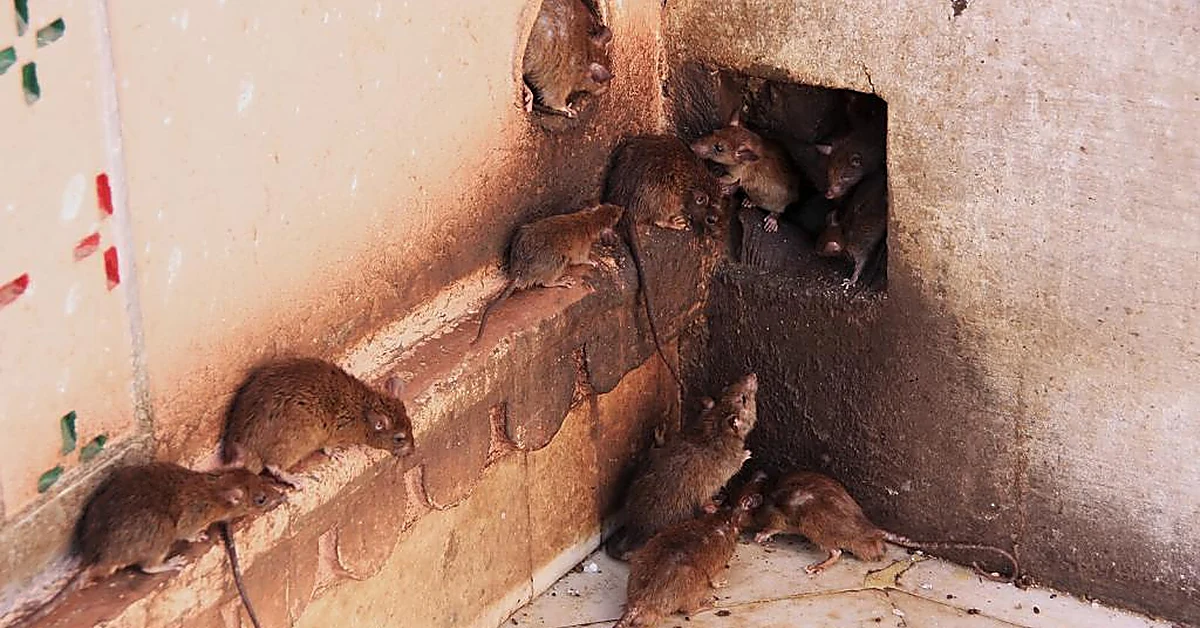
Closing one visible hole without understanding the travel routes can leave rodents trapped inside or push them into new areas. Inspection, control and exclusion should be coordinated so active animals are addressed and repairs are made in the right sequence.
Why rodents can be difficult to keep out
Mice can use very small gaps, while rats can enlarge weak openings by gnawing. Both may follow pipes, wires, foundations, wall edges, rooflines and hidden utility routes. A hole on one side of the building may lead to activity in an attic, crawlspace, cabinet or wall void somewhere else.
Common warning signs include droppings, rub marks, gnawing, nesting material, damaged food packaging, odors and scratching after dark. Inspection findings help determine whether the evidence is more consistent with rats, mice or another animal and guide trapping, exclusion, sanitation and follow-up.
How rodent behavior helps identify active routes
Rats and mice often travel along protected edges rather than crossing exposed spaces without cover. Wall edges, joists, pipes, stored materials and the backs of cabinets can become repeat travel routes. Concentrations of droppings, dark rub marks, gnawing or nesting material can help connect an interior activity area with a likely entry route.
Trap placement should be based on these signs and travel paths, not on the strength of a food odor alone. Rats may be cautious around unfamiliar objects, while mice may investigate changes more quickly. Because the two species do not always respond the same way, placement, monitoring and follow-up should match the evidence found during the inspection.
These behavior clues support an integrated plan that combines inspection, trapping, sanitation, safe cleanup and exclusion. They do not replace sealing the openings that allow new rodents to enter.
Common entry points around the lower part of a building
- Gaps around water, gas, electrical and HVAC penetrations
- Damaged crawlspace doors, vents and foundation screens
- Openings where siding, masonry and foundations meet
- Garage-door corners, worn seals and damaged weatherstripping
- Foundation cracks, damaged blocks and poorly fitted access panels
- Floor drains, pipe chases and utility rooms connected to exterior openings
Ground-level inspection should also consider food, water and shelter near the building, including open trash, pet food, bird seed, standing water, dense cover and clutter.
Rats and mice can also enter above ground
Roof rats and mice may climb trees, vines, utility lines, fences and rough exterior surfaces. Upper-level inspection can include soffits, fascia, roof transitions, attic vents, dormers, loose siding and openings around cables or pipes.
Trimming branches that touch the roof may reduce an easy travel route, but trimming alone does not close structural gaps. Likewise, sealing an attic vent without appropriate screening can create ventilation or moisture problems. Repairs should use materials and designs suited to the opening.
Why foam alone is rarely a complete rodent repair
Expanding foam may fill visible space, but rodents can gnaw many soft materials, and foam does not provide structural support. Durable exclusion commonly relies on metal, hardware cloth, properly fitted flashing, mortar, concrete, door sweeps or other building-appropriate materials, sometimes combined with sealant.
The repair must also preserve drainage, ventilation, access and utility safety. A crawlspace vent, dryer vent and plumbing penetration do not receive the same treatment.
How trapping and exclusion work together
A complete plan may begin with trap placement and monitoring while the building is inspected. The timing of sealing depends on the species, level of activity, interior access and the openings involved. Follow-up helps determine whether activity has stopped and whether additional routes were missed.
Food and sanitation work support the control plan. Secure food, pet food and bird seed; repair leaks; manage trash; and reduce clutter. These steps do not replace trapping or exclusion when rodents are already established.
Use current CDC guidance for sealing and cleanup
The CDC provides practical information on how to inspect for and seal rodent entry points. It also provides separate guidance to trap rodents and clean rodent-contaminated areas safely.
For professional inspection and control at a qualifying Virginia property, call (804) 457-2883 or request service below.
Common questions
Rodent Entry and Exclusion FAQ
Can mice really enter through very small gaps?
Yes. Mice can use openings that may not look significant from the ground. A careful inspection should include utility penetrations, door corners, vents, siding transitions, foundation gaps and upper-level openings.
Should I seal holes before setting traps?
The sequence depends on the activity and building. Blindly sealing an active route can trap rodents inside or move them into another part of the structure. Control, monitoring and exclusion should be coordinated.
Is expanding foam enough to keep rats out?
Foam alone is generally not a durable structural barrier. Rodent-resistant repair often uses metal, hardware cloth, mortar, flashing, properly fitted door sweeps or other materials appropriate to the opening.
Why do rodents return after trapping?
Repeat activity can occur when entry points, food, water, shelter or nearby populations remain. A long-term plan addresses the building and the conditions supporting the problem, not only the animals caught.
Do rats and mice use the same entry points?
They may use some of the same utility, foundation, door, vent and roofline openings, but mice can use narrower gaps and rats may enlarge weak areas by gnawing. Identification and inspection determine which routes are most likely active.
Can every rodent opening be sealed?
Not always. Some openings may be inaccessible, part of required ventilation or drainage, or connected to utilities that need specialized repair. Exclusion must protect the building without creating moisture, airflow or safety problems.
Request rodent service
Tell Us About the Rat or Mouse Activity
Please complete our contact form below:
Include the property address, where the activity is occurring and the best number to reach you. For an immediate conversation during normal business hours, call (804) 457-2883.